
To guarantee safe rainwater collection for guest use, focus on installing multi-stage filtration, regular maintenance, and timely filter replacements. Use sealed, food-grade tanks positioned in shaded areas, and implement first-flush diverters to prevent dirt and pollutants. Conduct routine water testing to check for bacteria and contaminants, and clearly label systems with safety instructions. Maintaining these standards protects guest health; explore further to discover detailed steps for a secure, reliable setup.

Get pool and patio gear delivered free — and shop member deals
- Fast, free delivery on millions of items
- Access to Prime Big Deal Days deals on October 6–7
- Prime Video, Amazon Music and more included
Key Takeaways
- Use food-grade, sealed storage tanks positioned in shaded areas to prevent contamination and algae growth.
- Install multi-stage filtration systems with regular maintenance and timely filter replacements for safe water.
- Incorporate first-flush diverters to prevent dirt and pollutants from entering storage tanks.
- Conduct routine water testing for bacteria, nitrates, and contaminants to ensure safety standards are met.
- Clearly label rainwater systems, educate guests on proper use, and restrict usage to designated purposes to maintain safety.
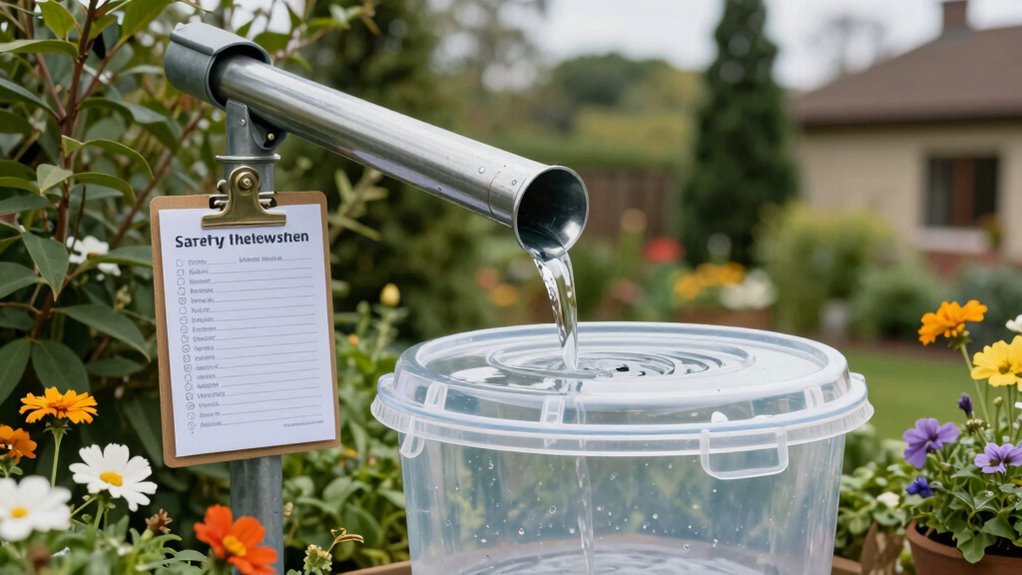
Collecting rainwater for guest use is an eco-friendly way to provide clean, natural water without relying solely on municipal sources. It’s a sustainable choice that can enhance your guests’ experience while reducing your environmental footprint. However, to guarantee the water is safe and enjoyable, you need to pay close attention to water filtration and storage safety. Proper filtration is essential for removing debris, bacteria, and other contaminants that may be present in rainwater. Installing a reliable filtration system—such as a multi-stage filter—helps ensure your guests enjoy clean, fresh water. It’s important to regularly maintain and replace filters as recommended, so the filtration system continues to work effectively. Doing so prevents the buildup of bacteria or mold within the system, which could compromise water quality.
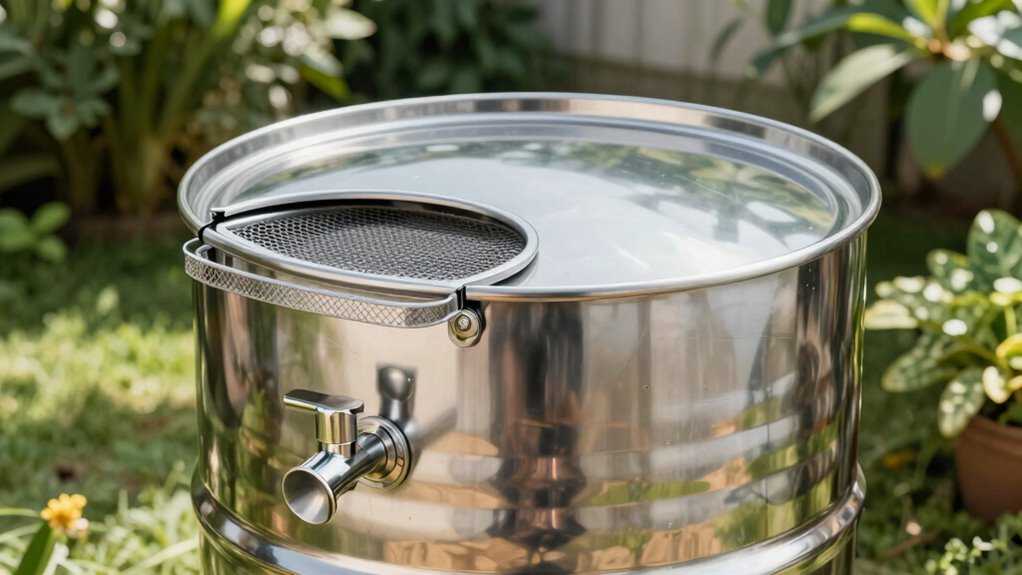
Storage safety is just as critical as filtration. Your rainwater collection system should include properly sealed, food-grade storage tanks to prevent contamination. Make sure your tanks are covered tightly to keep out insects, debris, and animals. Positioning the tanks in shaded areas can help inhibit algae growth, which thrives in warm, sunny environments. Regularly inspecting your storage tanks for cracks, leaks, or signs of mold is essential. If you notice any issues, address them immediately to prevent contamination. Also, consider installing a first-flush diverter to ensure that the initial runoff, which can carry dirt and pollutants, doesn’t enter your storage tanks. This simple device helps keep your stored water cleaner from the start. Additionally, using appropriate materials that are resistant to corrosion and leaching can further safeguard water quality.
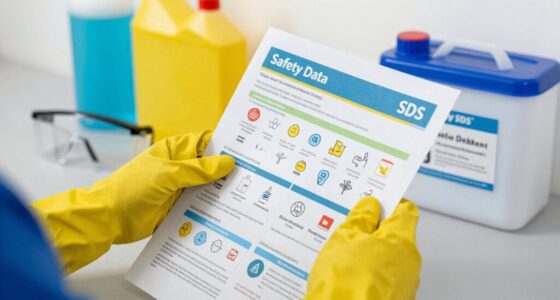
Cleaning your storage tanks periodically is a key step in maintaining storage safety. Empty the tanks, scrub the interior with a brush, and rinse thoroughly to remove any sediment or biofilm. Adding a small amount of biodegradable disinfectant or using UV sterilization can further eliminate bacteria. When collecting rainwater, always use food-safe piping and fittings, and avoid materials that could leach chemicals into the water. Additionally, maintain a regular testing schedule—checking for bacteria, nitrates, and other potential contaminants—so you’re always aware of the water’s quality. Proper signage and clear instructions for guests can help prevent accidental contamination, such as using the rainwater system for purposes other than drinking or cleaning.
multi-stage rainwater filtration system
As an affiliate, we earn on qualifying purchases.
As an affiliate, we earn on qualifying purchases.
Frequently Asked Questions
Can Rainwater Collection Systems Be Used Indoors Safely?
Yes, you can use rainwater collection systems indoors safely if you implement proper indoor filtration and safety precautions. Make sure to use a reliable filtration system to remove debris and contaminants, and regularly clean your tanks to prevent bacteria growth. Always double-check plumbing connections and ensure the system is properly maintained. By following these safety precautions, you can enjoy clean, safe rainwater indoors for various uses.
What Are the Costs Associated With Installing a Rainwater Collection System?
Think of it like purchasing a vintage typewriter; costs vary. You’ll need a cost analysis upfront, covering equipment, installation, and permits. Maintenance expenses include filter replacements and system checks. Expect initial investments for storage tanks, gutters, and filters, plus ongoing costs for upkeep. While it can seem costly, the long-term savings and sustainability benefits make it worthwhile, especially if you plan to use rainwater regularly.
How Often Should I Test the Water Quality?
You should test your rainwater regularly, ideally every three to six months, to guarantee safety. Focus on water testing frequency during periods of heavy rainfall or if you notice contamination indicators like foul odors, discoloration, or sediment. Consistent testing helps catch potential issues early, protecting your guests and maintaining water quality. Keep records of each test to track changes and address problems promptly.
Are There Specific Permits Required for Rainwater Harvesting?
Like a modern-day pioneer, you wonder if specific permits are needed for rainwater harvesting. Generally, you must check local regulations and adhere to legal requirements and permitting standards. Some areas require a permit, especially if you’re collecting large quantities or using the water for guest use. Always consult your local government or water authority to guarantee compliance, so your harvesting venture stays within legal bounds and avoids future issues.
What Are Common Signs of Contamination in Collected Rainwater?
You should look for contamination indicators like foul odors, discoloration, or cloudiness, which signal compromised water safety. If the water tastes metallic or bitter, these can also be signs of contaminants. Additionally, the presence of algae or debris suggests poor filtration or contamination. Regularly inspecting your collection system helps you identify these issues early, ensuring the rainwater remains safe and clean for guest use.
Conclusion
By following this safety checklist, you can confidently offer rainwater for your guests while ensuring their well-being. Did you know that over 80% of households worldwide rely on rainwater harvesting? This highlights its importance and potential. Just remember to regularly maintain your system, test water quality, and keep safety at the forefront. With these steps, you’ll create a safe, sustainable experience that guests will appreciate and trust.
Fall Picks
fall essentials
As an affiliate, we earn on qualifying purchases.