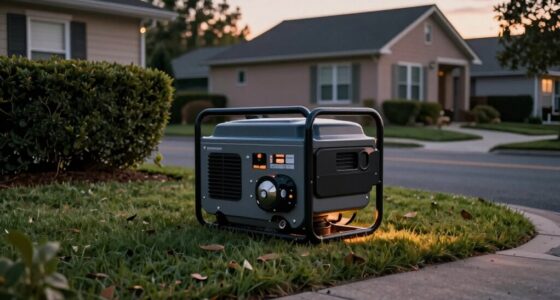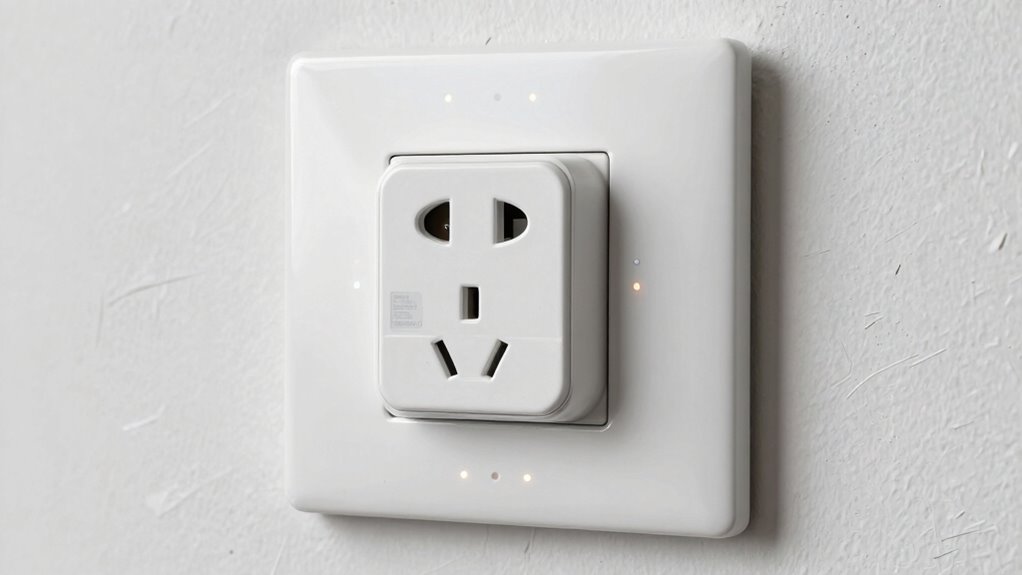

GFCI protection might be small, but it’s essential for preventing serious electrical injuries. It detects ground faults—tiny leaks of current that can pass through a person—and trips instantly, cutting off power before harm occurs. Installed in areas like bathrooms and kitchens, GFCIs are reliable safety devices that protect you and your loved ones. Want to know how this simple device can make your home safer? Keep exploring to discover more.
Key Takeaways
- GFCIs detect tiny current imbalances as low as 4-6 milliamps, preventing dangerous shocks before injury occurs.
- They trip instantly during ground faults, shutting off power to prevent escalation into serious injuries or fires.
- Regular testing ensures GFCIs are functioning correctly, maintaining their ability to catch small, potentially hazardous ground leaks.
- Installed in moisture-prone areas like bathrooms and kitchens, GFCIs protect against shock risks from water contact.
- The “small” detail of sensing minor current differences makes GFCIs a crucial safety device for preventing big injuries.
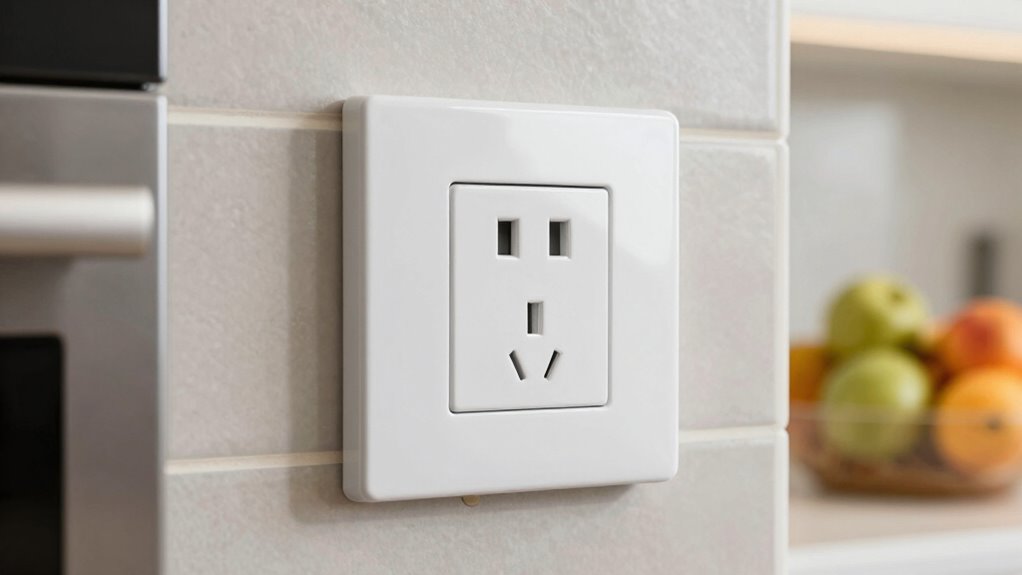
Ground Fault Circuit Interrupter (GFCI) protection is an essential safety feature designed to prevent electrical shocks and reduce the risk of fires caused by ground faults. When you’re working around water or in damp environments, the importance of GFCIs becomes even more clear. A ground fault occurs when electricity finds an unintended path to the ground, often through a person, which can result in severe injury or death. GFCIs monitor current flow in a circuit and trip instantly if they detect an imbalance, shutting off power before harm can occur. This quick response is indispensable for circuit safety, especially in areas where water and electricity intersect.
GFCIs prevent shocks and fires by quickly shutting off power during ground faults in wet environments.
You might not realize it, but many household injuries happen because of unnoticed ground faults. For example, if your hairdryer or kitchen appliance develops a leak of current to its metal parts, a GFCI can detect this imbalance. Without it, simply touching the appliance could lead to a dangerous shock. Installing GFCIs in bathrooms, kitchens, garages, basements, and outdoor outlets considerably reduces this risk. They act as an early warning system, preventing small ground faults from escalating into serious injuries or fires.
GFCIs are designed to be highly sensitive, sensing even a small difference as low as 4 to 6 milliamps in current flow. When they detect a ground fault, they trip within a fraction of a second, cutting off power before a shock can occur. This rapid response is especially important in environments where water and electricity coexist, because the presence of moisture increases the likelihood of ground faults. By assuring that these outlets are equipped with GFCI protection, you’re actively enhancing your circuit safety and creating a safer environment for everyone in your home.
You should also know that GFCIs are easy to install and maintain. They often come in outlet form, which you can replace yourself with basic electrical knowledge, or as circuit breaker units that protect entire circuits. Regular testing is imperative—press the “test” button on your GFCI to confirm it’s working correctly, and reset if necessary. This simple routine guarantees your safety device functions properly when you need it most. Remember, ground faults aren’t always obvious, but their dangers are real. The small, seemingly simple GFCI device acts as your first line of defense against electrical shocks and fires, making circuit safety a priority in your home. Additionally, staying informed about ads and SEO strategies can help you better understand how safety information reaches consumers and influences their decisions.

Teamson Home 33.25 in. Cascading Bowls and Stacked Stones LED Outdoor Water Fountain for Gardens, Landscaping, Patios, Balconies, and Lawns for a Calming Oasis in Outdoor Living Spaces, Stone Gray
A BACKYARD OASIS: The sound of water gently trickles down a series of cascading bowls, positioned on stacked...
As an affiliate, we earn on qualifying purchases.
Frequently Asked Questions
How Often Should GFCI Outlets Be Tested for Safety?
You should test GFCI outlets at least once a month to make certain they meet electrical code and safety standards. Regular testing helps confirm they trip properly during a ground fault, preventing injuries. To test, press the “Test” button and verify the outlet shuts off, then press “Reset” to restore power. Staying consistent with monthly checks keeps your home safe and compliant with safety standards.
Can GFCI Outlets Be Used Outdoors or in Wet Areas?
Yes, you can use GFCI outlets outdoors or in wet environments. They’re designed specifically for outdoor safety and wet environments, providing protection against electrical shocks. Installing GFCI outlets in these areas reduces the risk of injury by quickly shutting off power if a ground fault occurs. Always verify they’re weather-resistant and properly installed to maximize safety. Regular testing keeps them functioning correctly, ensuring you stay protected during outdoor activities or in damp spaces.
What Are the Common Signs of a Faulty GFCI Device?
Did you know that nearly 30% of GFCI outlets experience faults? If your GFCI device’s indicator lights are faulty or the reset button keeps tripping repeatedly, it’s a warning sign. These issues suggest internal problems, risking electrical shocks or fires. You should test your GFCI regularly and replace it if it shows these signs. Staying vigilant helps guarantee your safety and prevents potential hazards in wet or outdoor areas.
Are GFCI Breakers Compatible With All Circuit Types?
GFCI breakers aren’t compatible with all circuit types. You need to check circuit compatibility before installation, as some breaker types work only with specific wiring setups or panel configurations. For example, some GFCI breakers are designed for standard circuits, while others suit dedicated or multi-wire circuits. Always verify the breaker types recommended for your panel and confirm it matches your circuit’s requirements to prevent issues and ensure safety.
Do GFCIS Require Regular Maintenance or Replacement?
You should regularly inspect your GFCI using an inspection checklist, as they typically require testing every three to six months. If it fails to trip during testing or shows signs of damage, consult replacement guidelines and replace it promptly. This regular maintenance guarantees your safety device functions correctly, preventing potential electrical shocks or fires. Staying proactive keeps your home safe and your GFCI reliable over time.

Alpine Corporation 27" Tall Rustic Outdoor 2-Tier Barrel Pump Water Fountain with Soothing Cascading Water Flow for Patio, Yard, Porch, or Landscape, Bronze
RELAXING WATER FLOW: Enhance your outdoor space with the Alpine Corporation 2 Tier Barrel and Pump Water Fountain....
As an affiliate, we earn on qualifying purchases.
Conclusion
Think of GFCI protection as a silent guardian, quietly watching over your safety like a vigilant lighthouse in a storm. That small device acts as your first line of defense, thwarting dangerous shocks before they strike. Don’t overlook this tiny hero—it’s the difference between a safe home and a tragedy waiting to happen. By prioritizing GFCI protection, you’re lighting the way to a safer, brighter future for you and your loved ones.

2Pack 400LED Smart 4th of July String Lights | 164FT App Controlled Red White and Blue Lights, Waterproof Patriotic RGB Color Changing String Lights with Remote & Timer Indoor Outdoor for Memory Day
RGB String Lights with 16 Million Colors | The smart 4th of July color changing string lights can...
As an affiliate, we earn on qualifying purchases.

Dirnun 4th of July Decorations Red White and Blue Lights with 40 Led Big Stars, 4th of July Lights for Indoor Outdoor Home Garden Golf Cart Patriotic Theme Memorial Independence Day Decorations
Perfect 4th of July Lights: These red white and blue star string lights which is similar to the...
As an affiliate, we earn on qualifying purchases.