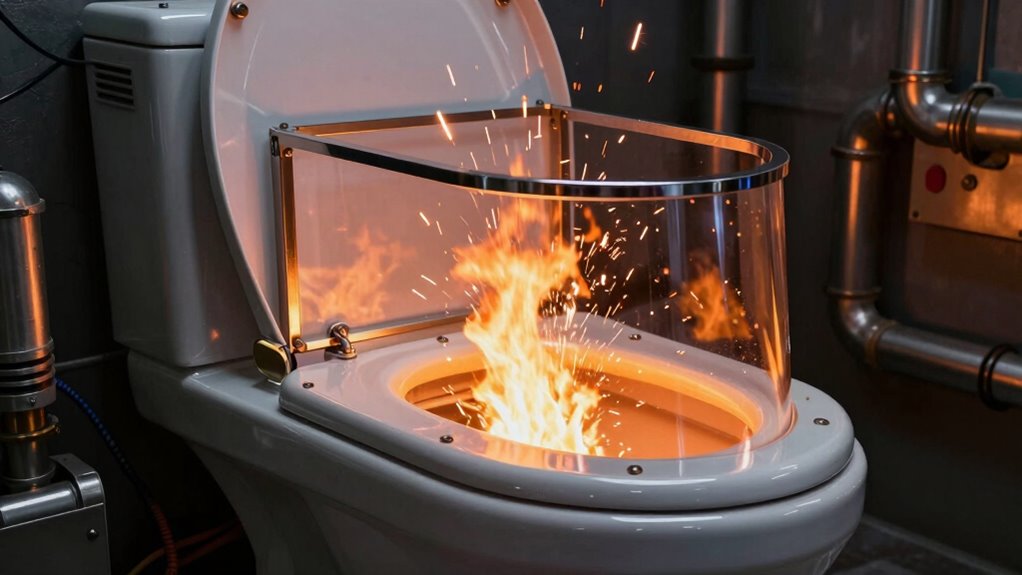

Incinerating toilets need a lot of power to operate effectively, often more than people realize. They typically require between 500 to 1500 watts, usually supplied by electric heating elements or auxiliary power sources. This high energy demand can impact their eco-friendliness and operational costs, especially in off-grid areas. The sustainability of these systems depends heavily on the power source used. To understand how these factors affect overall performance and environmental impact, keep exploring further.

Get pool and patio gear delivered free with Prime
- Fast, free delivery on millions of items
- Prime Video, Amazon Music and more included
- Member-only deals all year
Key Takeaways
- Incinerating toilets typically require 500-1500 watts of power during operation.
- Reliable energy sources like solar or generators are essential for off-grid installations.
- Continuous power consumption impacts operational costs and system sustainability.
- Power source choice influences the environmental footprint and eco-friendliness of the system.
- Power needs are often overlooked but are critical for efficient waste combustion and system performance.
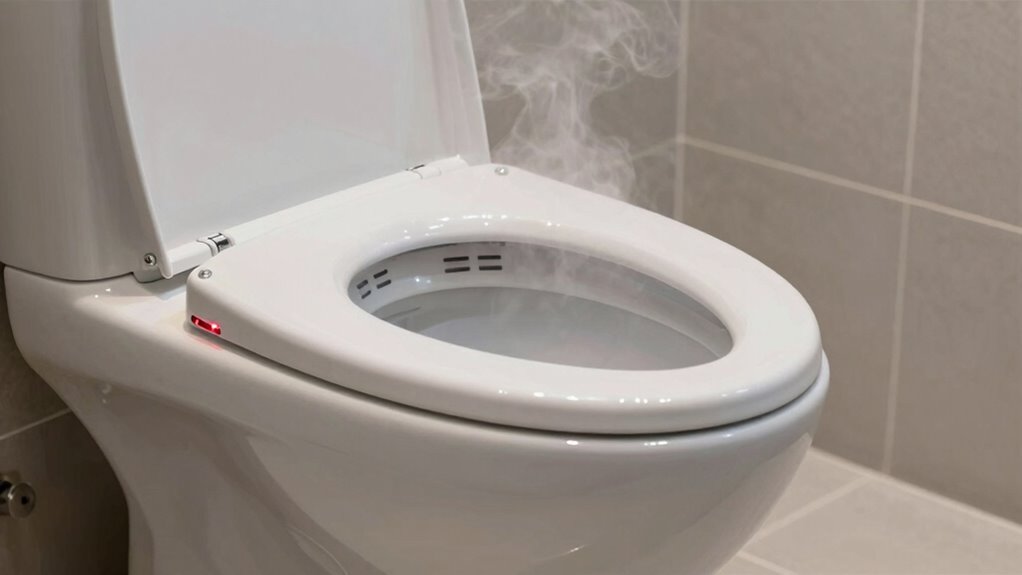
Have you ever wondered how some remote or eco-friendly communities handle waste without traditional plumbing? Incinerating toilets are increasingly becoming a solution for these areas, offering a way to manage waste without relying on septic tanks or sewer connections. Instead of transporting waste away or treating it underground, these toilets incinerate it on-site, turning waste into ash through high-temperature combustion. This method profoundly impacts waste management strategies, especially where conventional systems are impractical or too costly. By burning waste safely and efficiently, incinerating toilets help reduce the volume of waste that needs disposal, making them an appealing option for off-grid homes, cabins, or environmentally conscious communities.
However, while they seem to offer a straightforward solution, the power requirements behind these systems are often overlooked. Incinerating toilets demand a considerable amount of energy to operate, usually through electric heating elements or auxiliary power sources. This energy consumption can be a double-edged sword. On one hand, it allows the system to burn waste completely, reducing odors and eliminating pathogens effectively. On the other hand, it raises questions about the environmental impact, especially in areas where electricity isn’t renewable or where power is scarce. The environmental impact of these toilets depends heavily on the energy source used; if powered by fossil fuels, they contribute to greenhouse gas emissions, potentially offsetting their eco-friendly appeal.
The power needs are not insignificant. Most incinerating toilets require a steady supply of electricity, often around 500 to 1500 watts during operation. This means you’d need a reliable power source—solar panels, batteries, or a generator—to keep the system running smoothly. If your community or property isn’t connected to a stable grid, you’ll need to invest in alternative power solutions, which can add to the overall cost and complexity. Furthermore, continuous power use increases operational expenses and makes these systems less sustainable in areas where power is limited or expensive. Additionally, high energy consumption affects the overall environmental footprint of incinerating toilets, especially when powered by non-renewable sources.
When considering waste management and environmental impact, it’s vital to weigh the benefits against the power demands. Incinerating toilets reduce waste volume and eliminate the need for traditional sewer systems, but their energy consumption can sometimes negate some environmental benefits, especially if powered by non-renewable sources. If you’re exploring eco-friendly waste solutions, understanding the power requirements helps you make an informed decision, ensuring that your approach aligns with your sustainability goals. Ultimately, while incinerating toilets offer innovative waste management, the power requirements are a key factor that nobody talks about enough—yet they’re essential to the system’s environmental footprint and practicality.
solar-powered incinerating toilet
As an affiliate, we earn on qualifying purchases.
As an affiliate, we earn on qualifying purchases.
Frequently Asked Questions
What Are the Environmental Impacts of Incinerating Toilets?
You should consider that incinerating toilets can impact the environment through biodegradation concerns, as they may produce ash containing harmful residues. Emission control strategies are essential to reduce pollutants released during incineration, like dioxins and particulates. If properly managed, these toilets can minimize environmental harm. However, inadequate controls may lead to air quality issues, emphasizing the need for strict regulation and effective emission control strategies.
How Often Do Incinerating Toilets Require Maintenance?
You typically need to perform maintenance on your incinerating toilet every 3 to 6 months, depending on usage and model. Service intervals vary, but regular checks are essential to guarantee it functions efficiently. During maintenance, you’ll clean the ash removal tray, inspect electrical components, and ensure vents are clear. Staying on top of these tasks keeps your system reliable and prevents potential issues from developing over time.
Are Incinerating Toilets Suitable for Large Households?
Yes, incinerating toilets are suitable for large households if you consider their household capacity and waste volume. They efficiently handle higher waste loads, but you might need to monitor the system more closely and perform regular maintenance. Larger units or multiple units can accommodate increased usage, ensuring the toilet functions effectively without overloading. Just make sure the power supply and ventilation are adequate for your household’s size and waste volume.
What Safety Precautions Are Necessary When Operating These Toilets?
Wear safety gear, make certain proper ventilation, and follow manufacturer instructions. Always wear gloves and eye protection when operating the incinerating toilet to prevent contact with hot surfaces or ash. Maintain adequate ventilation to avoid inhaling fumes and odors, and keep the area clear of flammable materials. Regularly inspect the unit for damage or malfunctions. By taking these precautions, you minimize risks and ensure safe, effective operation.
How Do Incinerating Toilets Compare in Cost to Traditional Systems?
You’ll find that incinerating toilets generally cost more upfront than traditional systems due to higher installation expenses and specialized components. However, their long-term operating costs can be lower because they don’t require water, sewer connections, or ongoing maintenance like septic systems. The cost comparison varies based on location and usage, but overall, incinerating toilets tend to be a pricier initial investment with potential savings over time.
Conclusion
So, before you decide on an incinerating toilet, think about the true toll it takes on your power. The pricey, pervasive power requirements pack a punch you might not expect. Don’t dismiss the formidable demands or overlook the energy expense involved. Be wise, weigh your options, and wonder whether the waste-wielding wonder is worth the wattage. Ultimately, understanding these unseen energy expenses empowers you to make smarter, more sustainable sanitation choices.
Halloween Picks
halloween
As an affiliate, we earn on qualifying purchases.