TL;DR

Get pool and patio gear delivered free with Prime
- Fast, free delivery on millions of items
- Prime Video, Amazon Music and more included
- Member-only deals all year
An Amateur Gardening report advises gardeners to improve soil with organic matter such as homemade compost, well-rotted leaf mould and manure, rather than relying only on commercial fertiliser. It also suggests reusing old potting compost, leaving pea and bean roots in place, and collecting leaves. The report offers gardening guidance, not a newly announced study or policy.
Amateur Gardening has published advice urging gardeners to improve soil with organic matter, including homemade compost, leaf mould and manure, rather than responding to struggling plants only with commercial fertiliser. The report says these materials can improve soil structure and support the organisms that help roots grow, offering a practical way to make use of kitchen and garden waste.
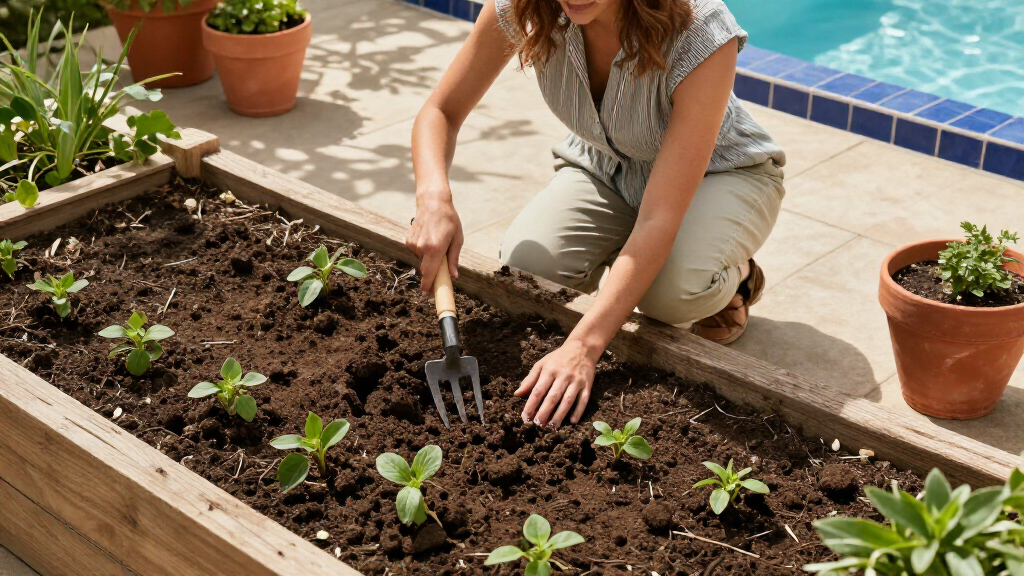
The report’s central recommendation is to apply a layer of organic mulch to borders and around trees. Its author describes spreading homemade compost made from kitchen peelings, prunings, clippings and grass cuttings, alongside well-rotted leaf mould and manure. These materials break down over time and can be carried deeper into the soil by worms, according to the article.
Amateur Gardening says organic matter can benefit different soil types: it can add structure to thin soil and help open up heavy clay. The report also points to worms, fungi and other soil microorganisms as part of the process. Mycorrhizal fungi, it says, support root development and growth. The article presents this as a way to nourish plants through the soil, rather than depending solely on quick applications of commercial fertiliser.
Four additional steps are suggested: reuse old container or grow-bag compost as a soil conditioner; leave pea and bean roots in the ground or grow green manures; collect fallen leaves for compost or leaf mould, and mow leaves on lawns; and encourage healthy fungi and microorganisms. The report says even a small compost bin or wormery can help gardeners supplement commercial soil improvers with their own green waste.
Putting Garden Waste to Work
The advice matters to gardeners because it links routine waste management with soil care. Kitchen scraps, prunings and fallen leaves can become useful material for improving garden beds instead of being discarded. Reusing old potting compost and leaving suitable roots in place also offer ways to make use of resources already in the garden.
The article frames soil improvement as a longer-term alternative to treating visible plant problems with fertiliser alone. It says organic matter can support soil structure and soil life, which in turn can contribute to plant growth. That is the report’s guidance, not evidence that every garden can stop using commercial fertilisers or that compost will solve every plant-health problem. Soil conditions and plant needs vary, and the source provides no comparative trial or measurements of results.
Products Worth Considering

eufy Security Essential 7-Piece Alarm System

iRobot Roomba 105 Combo Robot Vacuum and Mop

Levoit Core 400S-P Smart Air Purifier for Large Rooms (Up to 1,718 sq ft)
As an affiliate, we earn on qualifying purchases.
From Plant Feeding to Soil Care
The report begins with the author’s experience managing a garden with chalky soil, where some areas need more attention while others benefit from autumn leaves. That example supports the article’s broader point that gardeners can learn how different parts of a garden respond to their conditions. The piece contrasts applying commercial fertiliser when plants appear to struggle with feeding the soil through materials that decompose over time.
Its recommendations are practical gardening tips rather than a new scientific study, government announcement or product evaluation. The source does not provide a publication date, research methods, measured yield changes or a direct comparison between organic amendments and commercial fertilisers. It does identify homemade compost, leaf mould and manure as soil conditioners and describes several ways to make or reuse them.
“feed the soil, not the plant”
— Amateur Gardening report
Results Depend on Garden Conditions
The source does not specify how much compost or mulch to apply, how frequently to repeat applications, or how recommendations should differ by soil test results, plant type or local climate. It also gives no measured results showing how much soil structure or plant growth changed after the suggested treatments. Its statements about reduced need for commercial fertiliser are presented as gardening advice, not as a quantified finding.
Gardeners should therefore treat the suggestions as general guidance rather than a guaranteed replacement for every fertiliser or soil treatment. The report does not explain whether all materials are suitable for every bed, or set out detailed instructions for making leaf mould and green manure.
Practical Steps for the Season
The report recommends beginning with the garden’s existing resources: identify beds that may benefit, spread suitable homemade compost or well-rotted organic material, and start collecting leaves for composting or leaf mould. Gardeners can also reuse old container compost as a conditioner and leave pea and bean roots in place when clearing crops, as the article advises.
Amateur Gardening points readers to its website for further tips and advice and promotes its magazine. The source does not announce a follow-up study or a scheduled update. Anyone applying the guidance will need to judge amounts and timing for their own soil and plants, since the report does not provide a one-size-fits-all treatment plan.
Key Questions
What is the report’s main recommendation?
It recommends improving soil with organic matter, such as homemade compost, well-rotted leaf mould and manure, rather than relying only on commercial fertiliser applied when plants struggle.
Can old potting compost be reused?
The report says old container or grow-bag compost may have lost some of its effectiveness for growing plants, but can still be used as a soil conditioner.
What does the article suggest doing with leaves?
It advises collecting fallen leaves for a compost heap or leaf mould pile. Leaves on the lawn can be mown, which the report says can feed the grass.
Does the report show that gardeners can stop using fertiliser?
No. It gives general advice and says soil-based nourishment may reduce the need for commercial fertiliser, but it provides no trial data or measured comparison establishing that all gardens can stop using fertiliser.
Why leave pea and bean roots in the soil?
The article says these roots can be left to break down and release nitrogen. It also suggests growing green manures for a similar purpose.
Source: amateurgardening.com