
TL;DR

Get pool and patio gear delivered free with Prime
- Fast, free delivery on millions of items
- Prime Video, Amazon Music and more included
- Member-only deals all year
A Nov. 4 Amateur Gardening report by editor Kim Stoddart sets out autumn maintenance advice for greenhouses and polytunnels. It recommends clearing debris from coverings, storing containers, and balancing heat retention with regular ventilation to limit fungal disease risk.
Amateur Gardening editor Kim Stoddart published an autumn checklist on Nov. 4 for maintaining greenhouses and polytunnels, recommending that growers clear plant debris from coverings, store reusable containers and ventilate growing spaces regularly. The practical guidance matters because debris can reduce light reaching plants, while restricting airflow as temperatures fall can encourage fungal disease, according to the report.
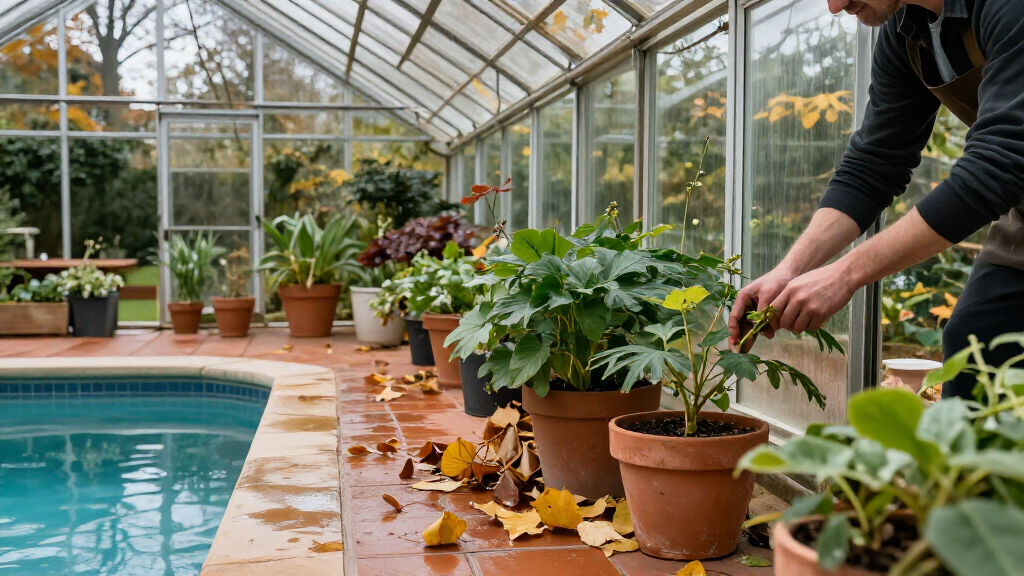
Stoddart advises removing foliage from the inside of a polytunnel or greenhouse after the main growing season. Leaves from tall plants, including tomatoes and grapevines, can stick to plastic coverings and rot. The report says that debris may block light and eventually erode the plastic. Fallen leaves can also adhere to the outside skin. Stoddart recommends cleaning the inside first with water and a sponge or soft brush, taking care to remove foliage from the covering and wipe down surfaces.
She says she leaves some lower foliage or ground cover in place to provide overwintering shelter for wildlife such as spiders and ground beetles, while keeping the plastic itself free of debris. Because leaves are still falling in autumn, she generally delays cleaning the outside of the tunnel until later. For hard-to-reach areas, she describes pulling tied-together bedsheets back and forth across the covering with another person’s help.
Container care can be adapted to a grower’s circumstances, Stoddart writes. She empties used compost onto beds or borders, shakes planters and stores trays without washing them, but says cleaning may be appropriate if a grower is concerned about a specific pest or disease, including eggs. She also reuses damaged module trays by doubling them up. As temperatures drop, the report advises keeping doors and windows shut more often to retain warmth, but opening them for brief periods several times a week to allow airflow. Yellowing lower leaves can be removed, and harvesting leafy growth can support further production.
Keeping Light and Airflow in Balance
The advice addresses a seasonal trade-off for people growing under cover: retaining warmth becomes more important as temperatures fall, but a sealed growing space can have too little airflow. Stoddart’s recommendation is not to leave doors and windows open continuously, but to ventilate briefly and regularly. The report links that airflow with reducing the build-up of fungal diseases; it does not claim that ventilation will prevent every outbreak.
Cleaning also has a practical maintenance purpose. Removing stuck foliage and leaves helps keep light reaching plants and prevents rotting debris from remaining against plastic. Stoddart says timely cleaning and repairs can help extend the useful life of a covering, while describing her own polytunnel cover, which she says has lasted at least 16 years. That is a personal example, not a guarantee of how long other coverings will last.
For growers, the checklist offers a way to prepare structures for winter without treating every task as a full clean-out. It pairs care of the growing surface with reuse of trays and consideration for wildlife shelter, while leaving the decision about washing containers to the gardener’s pest and disease concerns.
Products Worth Considering

Shark HydroVac MessMaster Wet/Dry Vacuum & Mop Combo (AW261)

Bose Smart Ultra Dolby Atmos Soundbar

Dyson V8 Cyclone Cordless Vacuum
As an affiliate, we earn on qualifying purchases.
Seasonal Care for Covered Growing
The report is framed as advice for the fortnight following its publication on Nov. 4, 2026, at the end of the main growing season. Greenhouses and polytunnels extend the growing environment, but their coverings and enclosed air need attention as plants die back and outdoor temperatures decline. The specific tasks in Stoddart’s article are to remove foliage, manage falling leaves, sort containers and maintain some ventilation.
Stoddart is identified by Amateur Gardening as the magazine’s editor and a journalist focused on resilient gardening and food growing. The article is a seasonal how-to report rather than a new study or an official horticultural standard. Its observations about how she cleans and stores equipment are presented as her own practice, alongside recommendations for readers to adapt to their own concerns.
“The more you look after your polytunnel or greenhouse, the more productive it will be for the longer term.”
— Kim Stoddart, Amateur Gardening editor
What Depends on Each Growing Space
The report does not give a fixed cleaning schedule, a measured estimate of how much light is restored by removing debris, or a standard lifespan for greenhouse and polytunnel coverings. Stoddart’s statement that one of her covers has lasted at least 16 years is a personal example; the article does not establish that other covers will last as long.
Container hygiene also depends on the grower’s situation. The article does not identify particular diseases or pests that require washing trays, nor does it set out a universal cleaning method. It recommends cleaning if there is concern about a specific problem, but readers must judge the risk in their own growing space. The advice about opening doors or windows is similarly general and does not specify an exact ventilation duration or temperature threshold.
Autumn Tasks Over the Coming Weeks
Stoddart’s near-term sequence is to clear the inside covering and surfaces first, then wait until most leaves have fallen before cleaning the outside skin. Growers can also empty spent compost, decide whether containers need cleaning, store reusable trays and repair damage to coverings as it appears. The article does not announce a follow-up report or a scheduled next update.
As temperatures continue to dip, the guidance is to keep doors and windows closed more often for warmth while opening them briefly several times during the week for airflow. Gardeners can remove yellowing lower leaves and continue harvesting leafy growth where plants remain productive. The exact timing will vary with local conditions and the plants being grown; the report supplies seasonal advice rather than a calendar for individual sites.
Key Questions
What is the main autumn task for a greenhouse or polytunnel?
Stoddart recommends clearing stuck foliage and other debris from the inside covering and wiping surfaces, because rotting plant material can block light and may erode the plastic. She suggests cleaning the outside later, after most autumn leaves have fallen.
Should doors and windows stay closed as temperatures fall?
The report advises keeping them closed more often to retain warmth, but opening them briefly a few times a week to allow airflow and help limit fungal disease build-up.
Do plastic trays and pots need to be washed before storage?
Not necessarily, according to Stoddart. She shakes and stores her own containers without washing, but says growers may choose to clean them if they are concerned about a particular pest or disease.
When should the outside of a polytunnel be cleaned?
Stoddart generally waits until leaves have finished falling, then removes debris from the outer covering. She describes using water and a method involving tied bedsheets and a helper for hard-to-reach areas.
Source: amateurgardening.com