
TL;DR

Get pool and patio gear delivered free with Prime
- Fast, free delivery on millions of items
- Prime Video, Amazon Music and more included
- Member-only deals all year
Gardening Know How describes a bagged method intended to turn selected, shredded fall leaves into usable compost in about four to five months. The process calls for nitrogen-rich material, a little garden soil, moisture, air holes and regular turning; the source does not provide independent testing or a guarantee that every batch will be ready by spring.
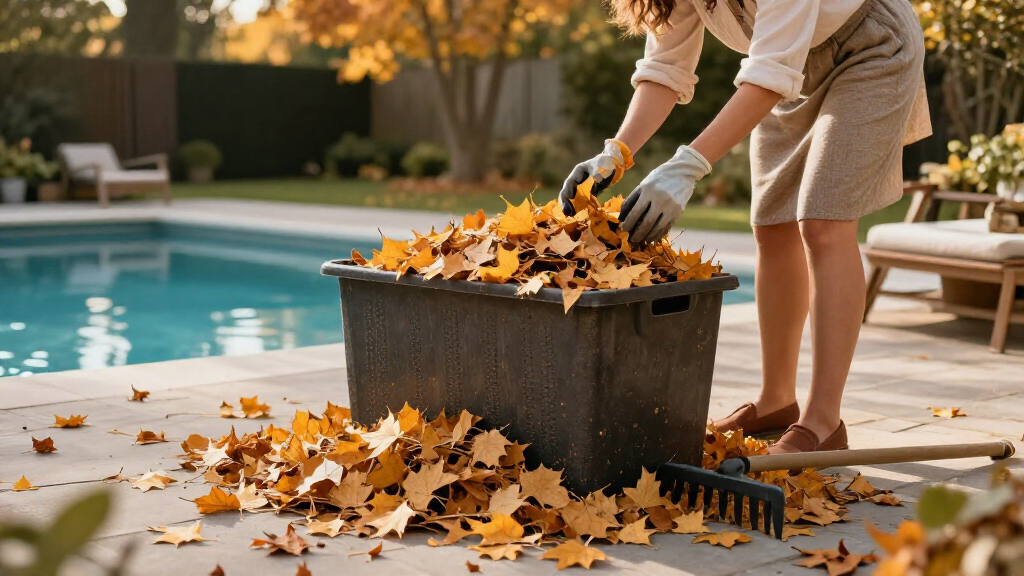
Gardening Know How has outlined a bagged leaf-composting method that it says can produce usable compost in four to five months, faster than the up-to-two-year timeline it gives for traditional leaf mold. The instructions use shredded leaves, nitrogen-rich additions, garden soil, moisture and oxygen in a black contractor bag, though the stated timeline is an estimate rather than a guaranteed result.
The method starts with thin, soft leaves, which the report says break down faster than thick or glossy foliage. It names maple, ash, elderberry, willow and fruit-tree leaves as suitable choices. Oak, beech, sycamore, horse chestnut, holly, laurel and magnolia are described as slower to decompose because of their lignin and tannin content. The guide says occasional slower leaves are not a problem, but recommends keeping them to a minimum.
Before bagging, shred the leaves with a lawnmower or another suitable tool. Smaller pieces expose more surface area to decomposers and are less likely to mat together. The report then recommends mixing in one part nitrogen-rich “greens” to three parts leaf “browns”. Suggested additions include grass clippings, coffee grounds or chicken manure. A shovelful or two of garden soil or finished homemade compost adds microbes, according to the guide.
The mixture should be moist, not waterlogged. The instructions call for a black contractor bag with about 15 air holes distributed around its sides and base, tied without squeezing out all the air. Store it in a sunny, sheltered location, such as beside a south-facing wall, and regularly turn or flip it to aerate the contents. The supplied source cuts off partway through its final instruction on turning the bag, so it does not specify a full turning schedule or describe every remaining step.
A Faster Route for Fallen Leaves
If the method works as described, it offers gardeners a way to put seasonal leaf waste to use within the same gardening cycle rather than waiting years for leaf mold. The guide says finished material can be spread as mulch around shrubs and perennial borders, mixed into vegetable beds, or combined with coco coir for a potting mix. Those are suggested uses, not evidence that every batch will have the same texture or nutrient content.
The approach also relies on common materials—fallen leaves, a bag, soil and possible household or garden additions—rather than specialized composting equipment. That may make it practical for people with limited space or no conventional compost bin. The result depends on conditions such as the leaf mix, moisture, warmth and oxygen supply, so gardeners should treat the four-to-five-month figure as a target, not a promise.
Products Worth Considering

Shark Navigator Lift-Away Upright Vacuum Cleaner, NV356E

Sonos Era 100 SL Compact, Microphone-Free Speaker – Black

Dyson V8 Cordless Vacuum
As an affiliate, we earn on qualifying purchases.
Why Leaf Choice and Air Matter
Leaf mold is made as fungi and other organisms break down leaves over time. The Gardening Know How report contrasts that slower process with its accelerated approach, which aims to encourage faster-working bacteria by shredding leaves and balancing carbon-rich material with nitrogen. The report says microbes perform around 80–90% of the chemical decomposition in composting, but it does not cite a study or explain how that figure was measured.
The key steps in the guide work together: smaller pieces are easier to break down; nitrogen-rich additions balance carbon-heavy leaves; water supports microbial activity; and air holes plus regular turning supply oxygen. A sheltered, sunny position is intended to retain warmth. The article presents these as gardening instructions and explanations, not as the findings of a controlled comparison of bagged and traditional composting.
“This quick and easy method speeds up decomposition to bring garden-ready compost in 4-5 months.”
— Gardening Know How
The Timeline Is Not Guaranteed
The source does not provide independent testing, a batch size, climate conditions or a precise definition of when compost is “garden-ready.” It is therefore unclear how consistently the four-to-five-month estimate applies across different locations, leaf mixtures and weather. The report also does not give a complete schedule for flipping the bag: the supplied text ends during that instruction.
It does not specify how to judge whether a batch is finished, what to do if it smells unpleasant or remains too wet, or whether particular plants should avoid fresh material. The article’s suggestions for compost uses should not be read as a nutrient analysis or a disease-control finding. Gardeners may need to adjust the process and confirm that the material is sufficiently decomposed for its intended use.
Check the Bag as It Breaks Down
Readers following the published method can begin with shredded leaves and the recommended nitrogen-rich additions, then monitor the bag’s moisture, airflow and decomposition over the coming months. The guide advises regular turning but, in the supplied material, gives no interval. The practical next step is to inspect and aerate the mix periodically without treating a fixed date as proof that it is finished.
Gardening Know How has not announced follow-up testing or a revised timeline in the source provided. Until more detail or comparative results are available, the method remains a published gardening recommendation, and the spring-ready outcome depends on how the materials break down under local conditions.
Key Questions
How long does the bagged method take?
Gardening Know How estimates four to five months. The source does not present that timeline as a guarantee or provide test conditions.
Which leaves does the guide recommend?
It recommends thinner, softer foliage such as maple, ash, elderberry, willow and fruit-tree leaves. Thick, leathery or glossy leaves are described as slower to break down.
What should be added to the leaves?
The report suggests nitrogen-rich material such as grass clippings, coffee grounds or chicken manure, at a target ratio of one part greens to three parts leaves. It also recommends adding a shovelful or two of garden soil or finished compost.
Why does the bag need holes?
The method needs oxygen, according to the guide. It recommends about 15 holes in a contractor bag and says to avoid squeezing all the air out before tying it.
How can I tell when the compost is ready?
The supplied source does not give a specific readiness test. It describes the desired result as rich, crumbly compost, but gardeners should not assume a batch is finished solely because four to five months have passed.
Source: gardeningknowhow.com