
TL;DR

Get pool and patio gear delivered free with Prime
- Fast, free delivery on millions of items
- Prime Video, Amazon Music and more included
- Member-only deals all year
After recent storms in the UK, garden experts recommend checking patios for loose paving and debris, persistent puddles, blocked drains and damaged structures. The advice is practical guidance, not a report of a newly confirmed widespread damage assessment; the source does not quantify damage or establish how many patios are affected.
Following a weekend of high winds and heavy rain from Storm Austen and Storm Boelo, garden experts are advising UK homeowners to check patios for loose paving and debris, standing water, blocked drains, and weakened structures. The guidance, reported by Ideal Home, is intended to help residents identify problems that could worsen if left untreated or exposed to further bad weather.
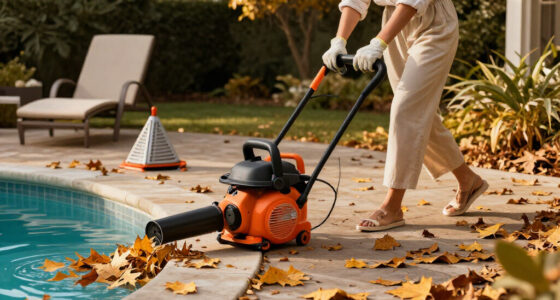
Amber Tunney, a plant buyer at Cherry Lane Garden Centres, recommends looking for loose paving slabs, fallen branches and broken plant pots, which can create trip hazards. Andrew White, an outdoor expert at Harbour Lifestyle, advises clearing leaves and other debris with a brush suited to the paving surface. He says cleaning products should be appropriate for the patio material and used according to their instructions.
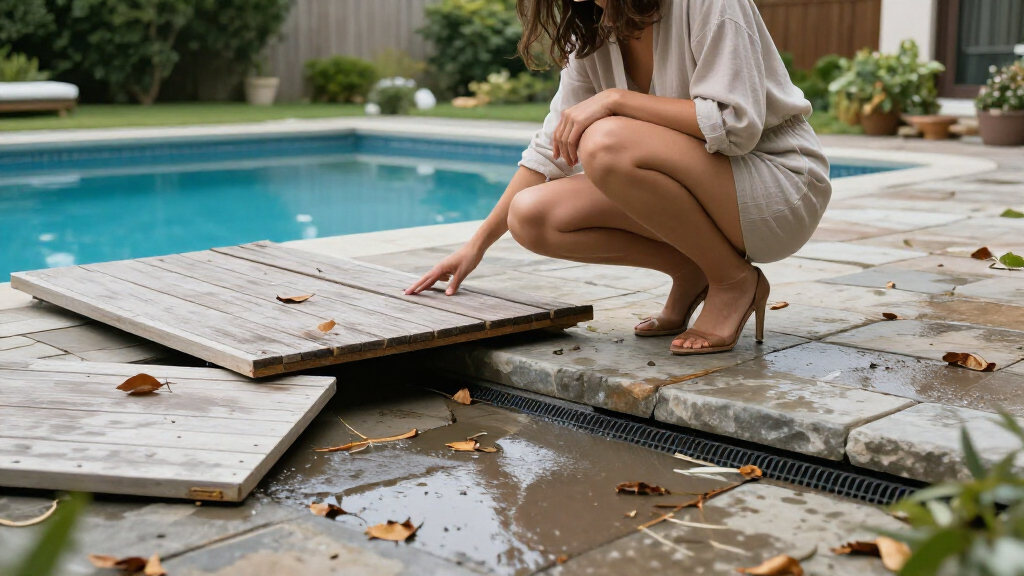
The second check is for puddles that do not drain, along with loose slabs or joints where material has washed away. White told Ideal Home that persistent standing water can weaken paving joints; if temperatures fall below freezing, water can expand and worsen existing cracks. The report suggests removing excess water from deeper puddles, but does not prescribe a solution for every patio or drainage problem.
Homeowners should also inspect drainage channels and gutters for leaves and other obstructions, and look for water gathering near walls, fences or pergola posts. White advises clearing leaves from drainage grates rather than pushing them aside into corners. Finally, inspect fences, pergolas, screens and furniture for leaning posts, loose fixings, rust and splits in wooden joints, which could indicate storm-related movement or deterioration.
Spotting Damage Before It Spreads
The checks matter because storm effects may persist after the rain and wind have passed. Standing water and washed-out joints can leave paving more vulnerable to damage, while blocked drainage may cause water to collect where it should run off. Loose slabs, branches and broken pots can also pose immediate trip hazards.
Inspecting outdoor structures can reveal movement or weakened connections before another period of bad weather. The source offers expert advice rather than evidence that any particular patio has sustained damage, and it does not quantify the risk or likely repair costs. The practical takeaway is to identify visible problems early and seek further assessment when water continues to pool or structural movement is present.
Products Worth Considering

Philips Hue Festavia 130-Foot Indoor/Outdoor Smart String Lights, 500 LEDs

Philips Hue Festavia Globe Outdoor String Lights, 32 Bulbs, 91 ft

Bose Lifestyle Ultra Wireless Home Speaker
As an affiliate, we earn on qualifying purchases.
Four Checks After Austen and Boelo
Ideal Home’s report follows a weekend of storms named Austen and Boelo, which it describes as bringing high winds and heavy rain to the UK. The article focuses on patio condition after the weather, rather than providing a national damage assessment, official storm impact figures or a forecast for further storms.
The recommendations are attributed to two garden and outdoor specialists. Tunney highlights surface damage and hazards; White discusses debris, standing water, drainage and garden structures. The report also mentions products for sweeping, pumping water and covering furniture, but those shopping suggestions do not establish that a specific product is necessary or suitable for every property.
“After a storm, check your patio for any damage, particularly loose paving slabs, fallen branches or broken plant pots that could be a trip hazard.”
— Amber Tunney, plant buyer at Cherry Lane Garden Centres, quoted by Ideal Home
Damage Levels Remain Unreported
The source does not give official damage totals, inspection data or estimates of repair costs, and it does not say how many homes or patios were affected by the storms. It is also unclear whether the reported conditions are widespread or limited to individual gardens. The article provides expert recommendations, not a formal engineering assessment of any property.
It does not specify when homeowners should call a professional in every case. Its advice is to seek an assessment if water continues to pool after drains are cleared. The extent and cause of any cracks, movement or structural damage would need to be judged at the property itself.
Inspect, Clear and Recheck
Homeowners can begin with a visual check, clear loose leaves and debris, and note any standing water, damaged joints or movement in garden structures. Use cleaning products suited to the paving material and follow their manufacturers’ instructions. Where water remains pooled after accessible drains are cleared, White’s advice is to have the patio drainage assessed rather than assuming that surface sweeping will solve the problem.
Recheck the patio after further heavy rain or wind, since new debris or pooling may reveal an unresolved issue. The source gives no scheduled inspection programme or official follow-up announcement, so any further action will depend on local conditions and what homeowners find.
Key Questions
What four things should I check on my patio after a storm?
Look for loose slabs and debris, persistent puddles or washed-out joints, blocked drains and gutters, and damaged garden structures such as fences or pergolas.
Why are puddles on a patio a concern?
Andrew White told Ideal Home that persistent standing water can weaken paving joints. If temperatures fall below freezing, expanding water may worsen existing cracks. The source does not say every puddle will cause damage.
What should I do if water still pools after I clear the drains?
White advises having the patio drainage assessed if pooling continues after the drains are cleared. The report does not provide a single fix that applies to every patio.
Which signs of storm damage should I look for on a pergola or fence?
Check for leaning posts, loose fixings, movement around joints, rust on metal frames and splits in wooden joints, as recommended by outdoor expert Andrew White.
Source: idealhome.co.uk