TL;DR

Get pool and patio gear delivered free with Prime
- Fast, free delivery on millions of items
- Prime Video, Amazon Music and more included
- Member-only deals all year
A Homes & Gardens report advises giving five kinds of newly planted evergreen extra care during their first winter: arborvitae, boxwood, rhododendron, Japanese holly and yew. Its recommendations include watering during dry fall weather, mulching without covering stems or crowns, and using breathable wind protection at exposed sites. Exact needs depend on the plant, local conditions and whether it is grown in a container.
A Homes & Gardens report says newly planted arborvitae, boxwood, rhododendron, Japanese holly and yew may need extra protection through their first winter, even when the plants are considered hardy. The advice focuses on keeping roots supplied with moisture and limiting drying wind exposure while the plants establish, rather than assuming evergreen foliage means a shrub can withstand every winter condition.
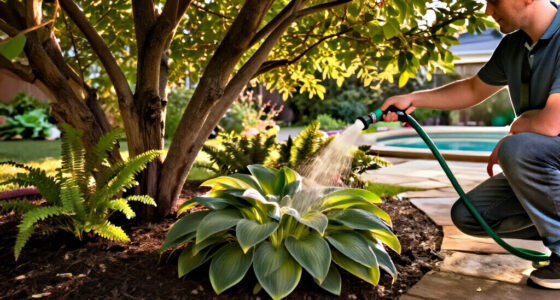
The report says young evergreens can lose moisture through their foliage to winter sun and drying winds while frozen or dry ground prevents their limited root systems from taking up enough water. Its general autumn advice is to water deeply during dry spells, mulch the root zone, and add a breathable wind screen when a planting site is exposed. It recommends keeping mulch away from trunks and plant crowns, and notes that rhododendrons need soil that drains freely.
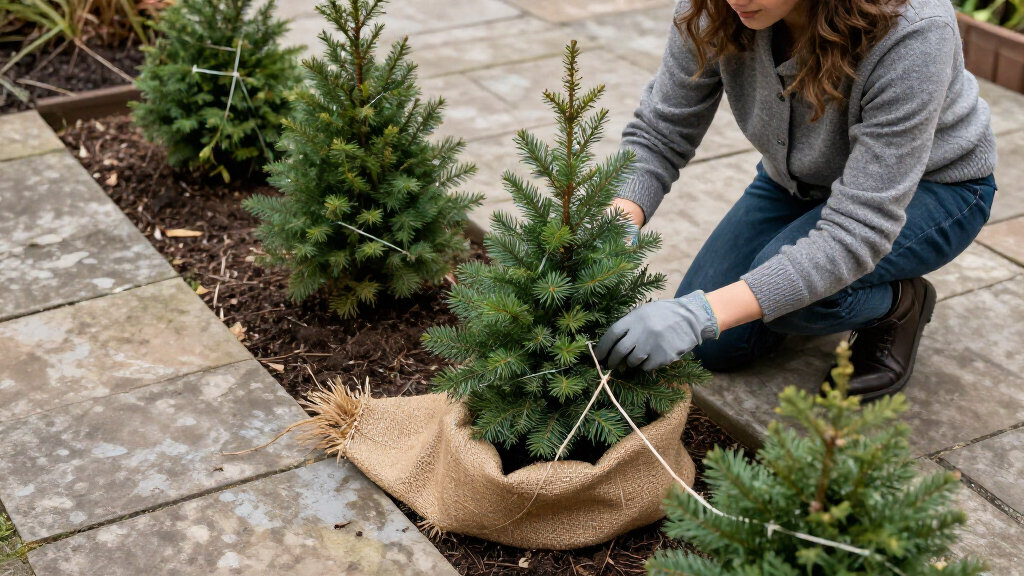
For arborvitae, the report advises a slow soak if autumn rain has been scarce, followed by a couple of inches of mulch. On windy sites, it suggests placing burlap on the windward side as a screen rather than tightly wrapping the entire tree. Loose branches may be gently brought together with soft ties before heavy, wet snow, without cinching them tightly.
New boxwood can face moisture loss and foliage scorch in exposed locations, according to the report. It recommends watering each plant in a new hedge, mulching while leaving space around the stems, and sheltering potted plants while insulating their containers. For rhododendrons, it advises checking both moisture and drainage and choosing a variety suited to the local hardiness zone. The report says Japanese holly’s cold tolerance varies by cultivar and location; its end plants may need particular attention if a row is exposed. It also identifies yew as vulnerable before its roots are established, though the supplied report text ends before giving its specific care instructions.
Why First-Winter Care Matters
The guidance matters because evergreen leaves remain exposed through winter, when wind and sun can draw out moisture. A new planting has not yet developed the broader root system that helps an established shrub replace that water. The report describes the risk as a combination of drying foliage and soil conditions that restrict water uptake—not simply cold air by itself.
Practical protection may help gardeners avoid preventable stress or foliage damage, but the measures need to match the plant and site. Watering is not the same as waterlogging: the report specifically cautions that rhododendrons need freely draining soil. Wind screening is also presented as a response to exposure, not a requirement for every evergreen in every garden.
Container plants have a separate concern: their roots are exposed to faster temperature swings than roots in the ground. The report advises moving potted boxwood to a more sheltered spot and insulating the pot. It does not provide a universal temperature threshold or guarantee that these steps will prevent winter injury.
Products Worth Considering

Dyson V8 Cyclone Cordless Vacuum

Sonos Era 100 SL Compact Microphone-Free Speaker, White

Roborock Qrevo CurvX Robot Vacuum and Mop
As an affiliate, we earn on qualifying purchases.
The First Winter After Planting
The article’s recommendations are aimed at the first winter after planting, when roots have not spread far into surrounding soil. It points to October as a time to water deeply during dry spells and prepare mulch or wind screens before the ground freezes. These are seasonal suggestions, not a fixed calendar for every climate; local weather and planting conditions affect timing.
The five plants share evergreen foliage, but the report does not treat them as identical. Hardiness varies among rhododendron and Japanese holly varieties, and exposure differs from one garden to another. It advises checking plant labels and matching a variety to local conditions. For all five, the common thread is to support establishment while avoiding excessive wrapping, waterlogged soil or mulch placed against stems.
Conditions and Yew Advice
The source gives general guidance but does not specify temperature cutoffs, watering volumes or regional schedules for the five plants. The right approach depends on soil drainage, rainfall, wind exposure, cultivar, planting date and whether the plant is in a container. Its advice to water in October should be read as seasonal guidance for dry conditions, not as a direction to water regardless of soil moisture or local weather.
The supplied report text ends during its discussion of yew, after noting that a recently planted plant has a smaller root system than an established one. It does not include the remainder of that section, so specific yew recommendations cannot be confirmed from the material provided. The source also does not establish that all newly planted specimens will suffer damage without protection.
Check Plants Before Cold Sets In
Gardeners can use the report’s advice as a prompt to inspect new evergreens before the ground freezes: check whether the root zone is dry, whether mulch is clear of stems and crowns, and whether prevailing winds reach the planting directly. Use breathable screening only where exposure calls for it, and check supports after storms so ties do not rub or tighten around branches.
For site-specific decisions, gardeners should consult the plant label and locally appropriate horticultural guidance, particularly for cultivar hardiness and watering. The source offers no later update or forecast; the immediate next step is to monitor autumn conditions and adjust care to the plants’ location and soil.
Key Questions
Which five evergreens does the report identify?
It names arborvitae, boxwood, rhododendron, Japanese holly and yew as evergreens that may need attention during their first winter after planting.
Why can a hardy evergreen struggle in its first winter?
The report says young roots may not yet reach enough soil to replace moisture lost from foliage to winter sun and drying winds. Frozen or dry ground can make water harder for the plant to take up.
What general protection does the report recommend?
During dry fall weather, water the root zone, add mulch while keeping it away from trunks or crowns, and use a breathable wind screen at exposed sites. The report does not give one schedule that fits every climate or plant.
Should new evergreens be wrapped tightly in burlap?
No. For arborvitae, the report favors a screen on the windward side over binding the whole plant. It says loose ties may help hold branches together before heavy, wet snow, but they should not be cinched tightly.
What is known about protecting newly planted yew?
The supplied source says a recently planted yew has a smaller root system than an established one, but its text cuts off before giving specific instructions. Further yew-care details are not available in the source material provided.
Source: homesandgardens.com