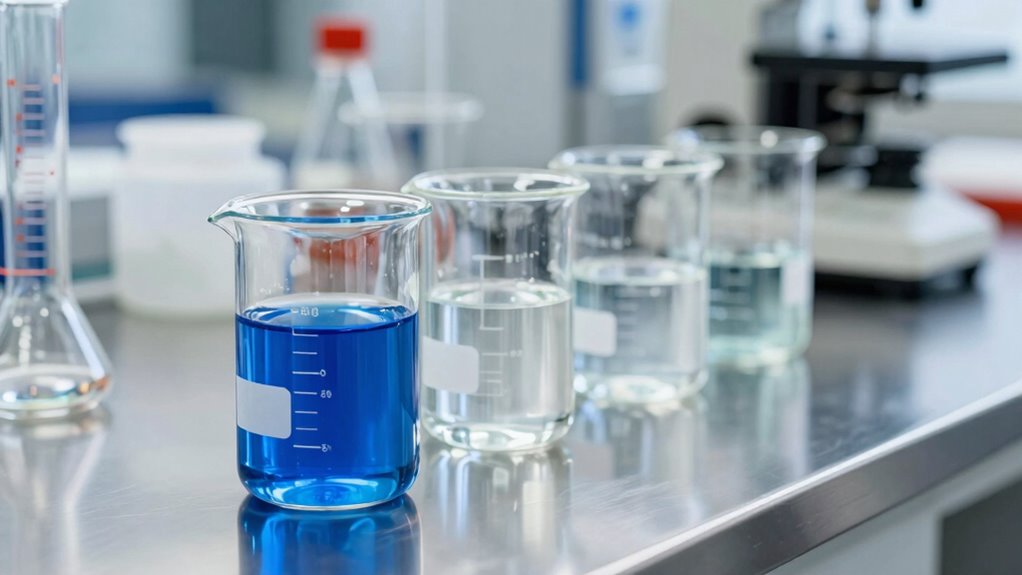
Using a “stronger” cleaner by just increasing the concentration can backfire because uncalibrated systems and improper dilution often lead to surface damage, safety hazards, and ineffective cleaning. Over-concentrated solutions may harm surfaces or cause health risks, while under-diluted mixtures don’t clean well and waste resources. To avoid these issues, proper calibration and accurate dilution are essential. Continuing will reveal how maintaining precision keeps your cleaning effective and safe every time.
Key Takeaways
- Overly concentrated solutions can damage surfaces and pose safety risks, reducing cleaning effectiveness.
- Uncalibrated dilution systems often produce inconsistent concentrations, leading to cleaner failure.
- Mechanical drift or wear in equipment causes inaccurate mixing, resulting in “stronger” solutions that don’t work as intended.
- Improper calibration can lead to incorrect chemical proportions, making the cleaner either too weak or too harsh.
- Failing to verify actual chemical concentration undermines the benefits of a “stronger” cleaner, causing ineffective cleaning outcomes.
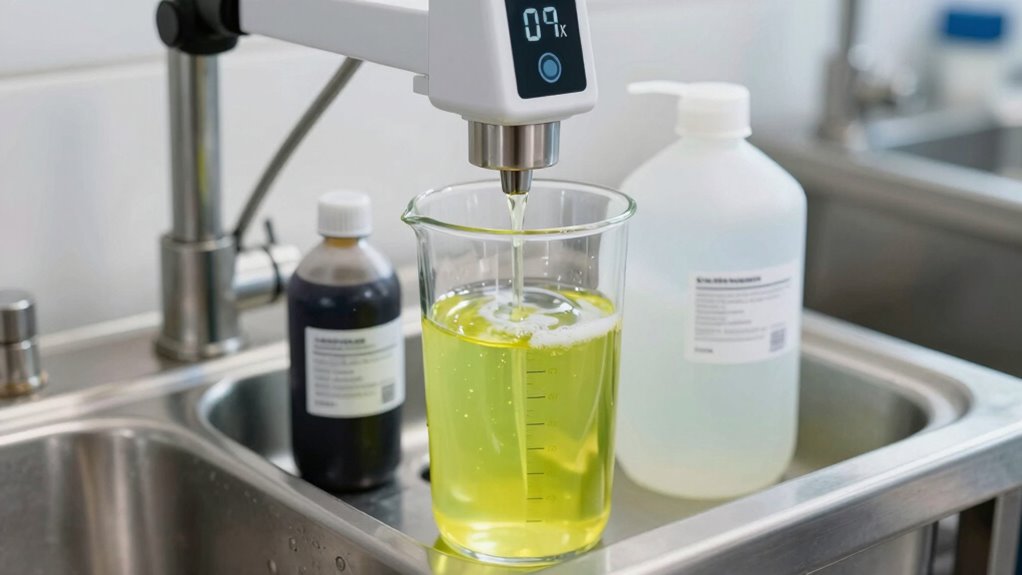
Chemical dilution systems are essential tools that help you accurately mix chemicals with water or other solvents, guaranteeing safe and consistent results. When you’re working with cleaning agents, precise dilution is critical to achieving the desired effectiveness without wasting materials or risking safety issues. One of the main reasons these systems are so valuable is their ability to maintain concentration accuracy. If your mix is too strong, it can damage surfaces, pose health hazards, or lead to environmental concerns. Conversely, if it’s too weak, the cleaner won’t perform effectively, leading to wasted time and resources. To guarantee the right concentration, equipment calibration becomes crucial. Regularly calibrating your dilution equipment guarantees that the proportions you measure are correct, preventing errors caused by wear and tear or mechanical drift.
When you rely on manual measurements, it’s easy to misjudge the amount of concentrate or water needed, especially when dealing with complex recipes or high-volume operations. Automated chemical dilution systems reduce this risk by providing precise, repeatable results. These systems are designed with built-in calibration features, allowing you to fine-tune the equipment regularly. Proper calibration ensures that the system delivers the exact concentration you require, whether you’re preparing a mild cleaning solution or a more potent formulation. Without routine calibration, even the most advanced systems can become unreliable, leading to inconsistent cleaning results and potential safety hazards.
Many failures in cleaning processes happen because of improper dilution, often rooted in miscalibrated equipment or neglecting to verify concentration accuracy. When you use an uncalibrated system, the risk of over- or under-dilution increases, which can damage surfaces or compromise safety standards. For instance, a “stronger” cleaner isn’t always better; it might contain more chemicals than necessary, leading to faster degradation of surfaces or health risks for users. Conversely, a miscalibrated system might produce a weaker solution, making your cleaning less effective and requiring repeated applications. Maintaining proper calibration and focusing on concentration accuracy helps you avoid these pitfalls, ensuring consistent, safe, and effective cleaning results.
Proper calibration prevents improper dilution, ensuring safe, effective cleaning without damaging surfaces or risking safety hazards.
Additionally, understanding the importance of equipment calibration and how it impacts dilution accuracy can significantly improve your cleaning outcomes. Ultimately, investing in reliable chemical dilution systems and keeping them calibrated isn’t just about precision—it’s about safeguarding your operations, protecting your staff, and achieving highest cleaning performance. When you prioritize these aspects, you prevent costly mistakes, extend the lifespan of your equipment, and maintain compliance with safety standards. Stronger isn’t always better; accurate dilution, maintained through proper calibration, ensures your cleaning solutions work as intended, every time.
Frequently Asked Questions
How Do Chemical Dilution Systems Impact Environmental Safety?
Chemical dilution systems impact environmental safety by promoting eco-friendly formulations, which reduce harmful chemical runoff and waste. They help you maintain regulatory compliance by ensuring proper dilution levels, minimizing overuse of harsh cleaners. When you use these systems correctly, you’re less likely to release excessive chemicals into the environment, protecting ecosystems and human health. This approach supports sustainability while keeping your cleaning practices effective and compliant with environmental standards.
Can Improper Dilution Damage Cleaning Equipment?
Yes, improper dilution can damage your cleaning equipment. When cleaners are too concentrated, they can cause equipment corrosion over time, weakening parts and leading to costly repairs. Additionally, excessive concentration can lead to chemical buildup inside pumps and nozzles, clogging them and reducing efficiency. Always follow manufacturer instructions for dilution to protect your equipment from corrosion and chemical buildup, ensuring longevity and ideal performance.
What Maintenance Is Required for Dilution Systems?
You need to regularly check and maintain your dilution system by following proper calibration procedures to guarantee precise concentration control. This includes inspecting for clogs, leaks, and wear, as well as verifying that dilution ratios match manufacturer specifications. Consistent calibration helps prevent over- or under-dilution, which can damage equipment or reduce cleaning effectiveness. Regular maintenance keeps your system running smoothly, prolongs its lifespan, and assures ideal cleaning results.
Are There Industry Standards for Dilution Ratios?
Ever wonder if industry standards for dilution ratios exist? Yes, they do. These standards guarantee dilution accuracy and help you stay compliant with industry regulations. You should follow manufacturer guidelines and local regulations, which often specify precise ratios for different cleaning tasks. Adhering to these standards guarantees effectiveness, safety, and consistent results, preventing the pitfalls of over-concentrated cleaners that can damage surfaces or pose health risks.
How Does Temperature Affect Chemical Dilution Effectiveness?
Temperature variability impacts chemical dilution effectiveness because it affects chemical stability. When temperatures fluctuate, your cleaner’s stability can decline, making it less effective or even unsafe. Warmer temperatures may cause chemicals to break down faster, reducing their cleaning power, while colder temperatures can slow chemical reactions. To guarantee ideal results, you should control temperature conditions during dilution and storage, maintaining a consistent environment to preserve chemical stability and effectiveness.
Conclusion
Remember, using a “stronger” cleaner isn’t always better. Overdiluting can cause residues or ineffective cleaning, much like trying to wash a window with too much soap—it just leaves streaks. Instead, trust your dilution system to deliver the right concentration every time. Think of it as a recipe: too much salt ruins the dish, but the right balance makes it perfect. Keep your system calibrated, and you’ll always achieve the clean results you want.