Installing and calibrating water level sensors is a simple upgrade that can prevent costly overflows. By positioning sensors correctly and regularly calibrating them with known reference points, you guarantee accurate water level measurements. Proper installation and maintenance help avoid errors caused by debris, turbulence, or environmental factors. This straightforward adjustment keeps water levels safe and steady, saving you money and stress. Keep exploring to discover more tips for long-term, effective water management.
Key Takeaways
- Proper calibration ensures water level sensors provide accurate readings, preventing overflows or dry conditions.
- Correct installation at consistent depths maintains sensor accuracy and reliable water level detection.
- Regular maintenance and recalibration address environmental factors that may cause false alarms or errors.
- Using appropriate sensor types and following manufacturer guidelines enhances longevity and performance.
- Accurate, well-maintained sensors enable proactive water management, avoiding costly overflows and infrastructure damage.
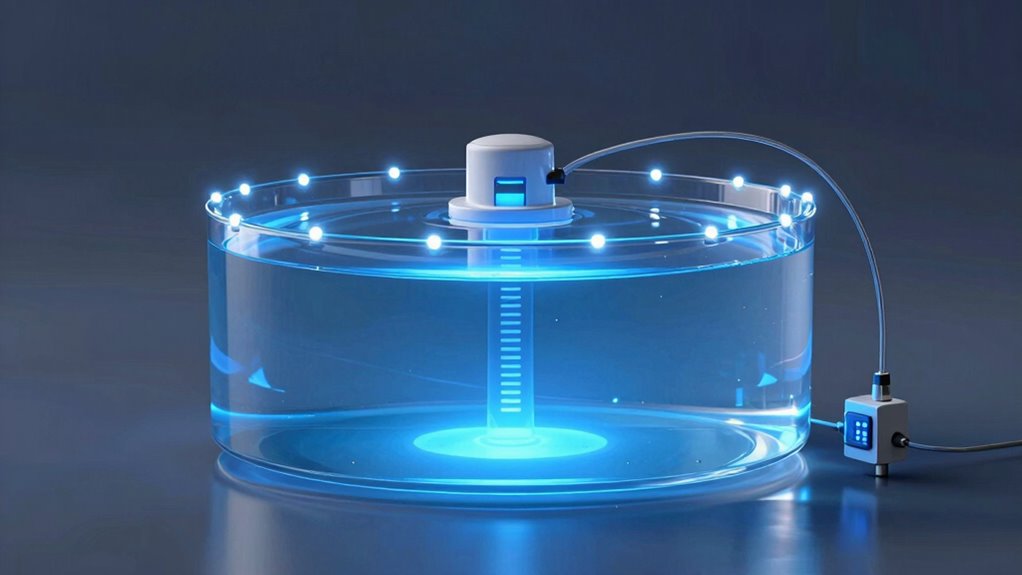
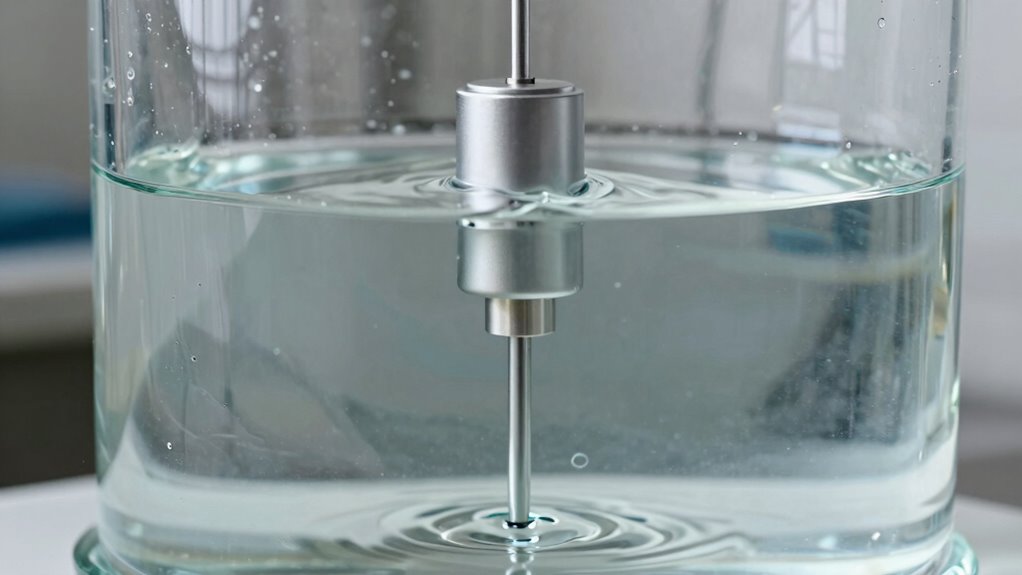
Water level sensors are essential tools that help you monitor and manage water resources efficiently. Whether you’re overseeing a water tank, a pond, or an industrial process, these sensors provide real-time data that keeps you informed and prevents costly overflows. To get the most accurate readings, proper sensor calibration is crucial. Calibration ensures that the sensor’s measurements align precisely with the actual water levels, which involves comparing sensor outputs against known reference points and adjusting the device accordingly. Regular calibration checks are vital, especially in environments where water levels fluctuate frequently or conditions change over time. This simple step guarantees your sensor continues to deliver reliable data, helping you make informed decisions and avoid potential flooding or dry runs. Additionally, understanding the importance of maintenance can significantly extend the lifespan and performance of your sensors.
Water level sensors ensure accurate water management through regular calibration and proper installation techniques.
Installation techniques also play a significant role in sensor accuracy and longevity. When installing water level sensors, you need to consider factors like placement, mounting height, and environmental conditions. For example, position the sensor at a consistent depth where it can accurately detect changes in water level without interference from debris or turbulence. Secure mounting is essential to prevent movement or misalignment that could skew readings. Use appropriate fixtures and follow manufacturer instructions to ensure a sturdy installation. Proper wiring and electrical connections are equally important—use waterproof connectors and keep cables protected from weather or water exposure to avoid false readings or damage. Additionally, understanding the specific type of sensor you’re installing, such as ultrasonic, pressure, or float-based models, informs the best installation practices for each.
Beyond just installation, understanding sensor calibration techniques allows you to troubleshoot and maintain your system effectively. For instance, if you notice inconsistent readings, recalibrating the sensor can often resolve the issue. Many sensors come with calibration procedures detailed in the user manual, which might involve immersing the sensor in water at known levels or adjusting digital settings via software. Regular maintenance and calibration help sustain accuracy, especially in demanding environments where sediment buildup or temperature changes can impact sensor performance. Taking the time to fine-tune your sensors not only prevents false alarms but also extends the lifespan of your equipment, saving you money and stress in the long run.
Ultimately, the combination of precise sensor calibration and correct installation techniques transforms your water level sensors from simple devices into reliable guardians of your water management system. They become your first line of defense against overflows, ensuring water levels stay within safe limits. With proper care, your sensors will provide accurate, consistent data that empowers you to manage water resources proactively, prevent disasters, and optimize operations seamlessly.

PTLevel Wireless Tank Level Monitor
- Notification Alerts: Email and SMS alerts for high/low levels
- Weatherproof Design: Operates from -40°C to 85°C
- Long-lasting Power: Powered by 4 AA batteries for years
As an affiliate, we earn on qualifying purchases.
As an affiliate, we earn on qualifying purchases.
Frequently Asked Questions
How Long Do Water Level Sensors Typically Last?
Water level sensors usually last between 3 to 5 years, depending on the quality and usage. You should monitor their sensor longevity regularly, as they may need replacement sooner if they become less accurate or stop working. The replacement frequency varies based on environmental conditions and maintenance, but staying attentive guarantees your system remains reliable and prevents overflows effectively. Proper care can extend their lifespan and save you future costs.
Are Water Level Sensors Suitable for Both Residential and Industrial Use?
You might be surprised, but water level sensors are perfect for both residential smart home systems and industrial automation. They adapt seamlessly, ensuring safety and efficiency across settings. Imagine preventing overflows in a cozy home or managing complex industrial processes—all with one simple upgrade. Their versatility makes them invaluable, providing peace of mind and operational control wherever you need it most. Ready to upgrade? These sensors are the smart choice for every environment.
What Maintenance Is Required for Water Level Sensors?
You need to regularly check your water level sensors for proper operation. This includes sensor calibration to guarantee accuracy and inspecting the power supply requirements to prevent malfunctions. Keep the sensors clean and free from debris, and replace batteries or power sources as needed. By performing these simple maintenance steps, you’ll keep your water level sensors functioning reliably, helping you prevent overflows and maintain ideal water management.
Can Water Level Sensors Work With Existing Plumbing Systems?
Think of your plumbing system as a well-tuned orchestra. Water level sensors can usually harmonize with existing plumbing, but you might face some installation challenges or compatibility concerns. Most sensors are designed for easy integration, but it’s wise to check if your system’s components align with sensor specifications. With a little planning, you’ll prevent overflows without major rewiring, ensuring your water management stays smooth and efficient.
Are There Wireless Options for Water Level Sensors?
Yes, wireless water level sensors are available. They use wireless connectivity like Wi-Fi or Bluetooth, allowing you to monitor water levels remotely without complex wiring. You’ll want to take into account battery life, as some models last several months on a single charge, while others may need more frequent replacements. These sensors are easy to install and offer real-time alerts, helping you prevent overflows and manage water levels efficiently.
Conclusion
By installing water level sensors, you prevent costly overflows and protect your property. Yet, it’s not just about avoiding damage; it’s about embracing smarter, proactive solutions that give you peace of mind. In a world where small upgrades make a big difference, these sensors remind you that simple innovations can safeguard what matters most. Don’t wait for a flood to realize the power of a sensor—take control now and stay ahead of surprises.