
If you’re experiencing low water pressure, installing a booster pump can help. First, turn off your main water supply and drain the system. Connect the pump after the shutoff valve, ensuring proper wiring and grounding. Adjust the pressure settings for maximum flow. Turn the water back on and check for improvements. Keep in mind, if pipes are severely undersized or clogged, the pump’s effectiveness may be limited—so, stay tuned to learn the best steps to fix the root cause.
Key Takeaways
- Identify if low pressure is caused by pipe narrowing, buildup, or undersized pipes through inspection.
- Turn off the main water supply, drain the system, and prepare for pump installation.
- Connect the booster pump after the main shutoff valve, ensuring correct wiring, grounding, and alignment.
- Set the pump’s pressure settings appropriately, then turn on water to test pressure improvements.
- Regularly maintain the pump and check for leaks or debris to ensure sustained high water pressure.

Have you noticed that your water flow has become weaker than usual? If so, you’re probably experiencing low water pressure, which can be frustrating and inconvenient. One common cause of this problem is pressure loss somewhere in your plumbing system. Pressure loss often results from inadequate pipe sizing or buildup inside the pipes, restricting water flow and reducing the overall pressure at your fixtures. When pipes are too narrow for the volume of water passing through them, pressure drops substantially. Over time, mineral deposits or debris can accumulate, further narrowing the pipes and exacerbating pressure issues. Addressing this problem involves understanding whether the pipes are properly sized for your household’s water demand and identifying any blockages or buildup that might be impairing flow. If your pipes are undersized or have become clogged, upgrading to larger diameter pipes can improve water pressure considerably. However, this can be a complex process that requires professional assessment and installation.
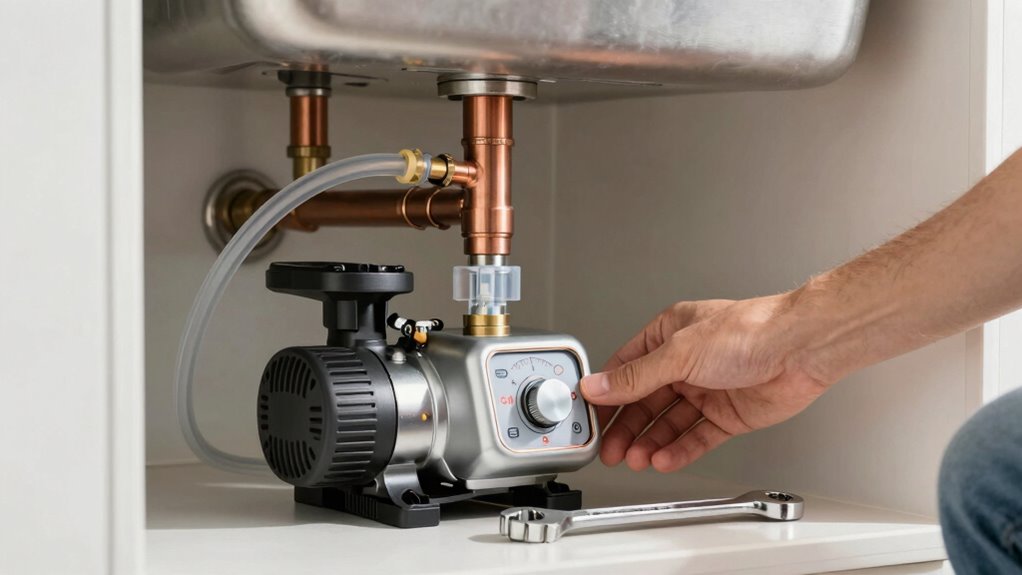
Once you’ve identified that pressure loss is due to pipe sizing or buildup, adding a booster pump becomes an effective solution. A booster pump increases water pressure by actively pushing water through your system more forcefully. Installing one involves several steps, starting with selecting the right pump rated for your household’s water demand. You’ll need to determine the flow rate you require and ensure the pump can handle the volume of water your household uses daily. Before installation, turn off your main water supply and drain the system to prevent leaks or water damage. Next, connect the booster pump to your main water line—usually after the main shutoff valve—and ensure it’s properly wired and grounded for safety. It’s essential to check that the pump’s inlet and outlet are correctly aligned with your existing piping.
Once installed, you should configure the pump’s pressure settings to match your desired water flow. Many booster pumps come with adjustable pressure controls, allowing you to fine-tune the system for peak performance. After setup, turn the water supply back on and observe how your water pressure improves. You might notice a notable difference—your showers become more satisfying, and your appliances operate more efficiently. Regular maintenance of the booster pump, such as checking for leaks or debris, guarantees it continues to function properly over time. Remember, if your pipes are severely undersized or heavily corroded, a booster pump alone may not fully resolve the pressure issues. In those cases, consulting a professional plumber to evaluate your entire plumbing system is recommended. Properly assessing your pipe sizing and buildup can help ensure a lasting solution. Taking these steps can restore strong, dependable water pressure to your home, making daily tasks much more comfortable and efficient.

Aquastrong Whole House Water Pressure Booster Pump 80 PSI, 115V Automatic Variable Speed, Constant Pressure, Integrated Design, Self-Priming, for Home, Apartment, Shower, Garden, Shallow Well,Smart 45
- Adjustable Pressure & Speed: Automatically maintains constant household water pressure
- All-in-One Robust Design: Durable stainless steel impeller and leak prevention features
- High Efficiency & Low Noise: Operates quietly with energy-saving inverter technology
As an affiliate, we earn on qualifying purchases.
As an affiliate, we earn on qualifying purchases.
Frequently Asked Questions
Can Booster Pumps Damage My Plumbing System?
Booster pumps can damage your plumbing system if not installed correctly or if they operate at excessive pressure, risking plumbing safety. Poor pump installation might cause leaks, pipe bursts, or joint failures. To prevent this, verify a professional handles the installation and that the pump’s pressure settings match your plumbing system’s specifications. Regular maintenance also helps avoid damage, safeguarding your pipes and ensuring reliable water pressure.
How Noisy Are Booster Pumps During Operation?
Think of booster pumps as gentle giants—they hum softly like a calm breeze or a distant thunder. During operation, their noise levels are usually moderate, producing steady operational sounds that aren’t overwhelming. You might notice a low whir or muffled hum, but it shouldn’t disrupt your peace. Most modern pumps are designed for quiet performance, so you can enjoy improved water pressure without feeling like you’re living near a busy factory.
What Is the Typical Lifespan of a Booster Pump?
You can expect a booster pump to last around 8 to 15 years with proper pump maintenance. Its lifespan depends on factors like water quality, usage frequency, and regular servicing. To extend its life, check for wear and tear often, keep it clean, and replace parts as needed. Consistent maintenance guarantees peak performance and helps you get the most years out of your booster pump.
Do Booster Pumps Increase Water Pressure Evenly Everywhere?
Booster pumps generally improve pressure distribution, but they might not make water pressure perfectly even everywhere. You may notice some areas with higher flow consistency, especially close to the pump, while distant fixtures could still experience lower pressure. To optimize flow consistency, consider installing pressure regulators or multiple pumps. Regular maintenance helps guarantee the booster pump functions efficiently, providing more uniform water pressure throughout your system.
Are There Energy-Efficient Booster Pump Options Available?
Yes, there are energy-efficient booster pump options available. You can choose eco-friendly models designed to consume less power while maintaining ideal water pressure. These pumps often feature advanced technology like variable speed operation, which adjusts power usage based on demand, reducing energy waste. Investing in such models helps save on electricity bills and minimizes environmental impact, making them a smart choice for sustainable water pressure solutions.
Conclusion
Now that you’ve learned how to troubleshoot and install a booster pump, you’re ready to take control of your water pressure. Think of it as forging your own path, much like explorers venturing into uncharted territory. With a little effort, you’ll enjoy steady, powerful water flow and avoid the frustrations of weak pressure. Remember, every great journey begins with a single step—your new booster pump is your compass to better water pressure.