
TL;DR

Get pool and patio gear delivered free with Prime
- Fast, free delivery on millions of items
- Prime Video, Amazon Music and more included
- Member-only deals all year
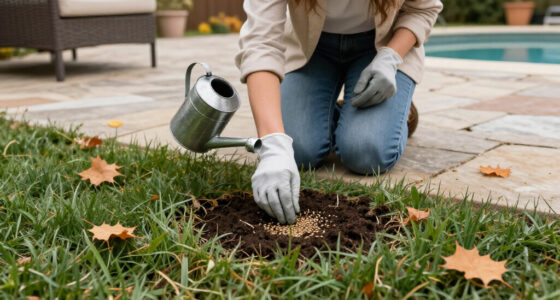
The Royal Horticultural Society is urging gardeners to plant trees, shrubs and herbaceous perennials in autumn so they can establish through winter and spring ahead of summer heat. British Garden Centres has also published a guide to plants it describes as suited to hot conditions. The advice follows a summer of what the source report calls unprecedented heat and drought; local growing conditions and the performance of individual plants will vary.
Following a summer of heat and drought, the Royal Horticultural Society is urging gardeners to plant trees, shrubs and herbaceous perennials in autumn, giving them time to establish before the next period of summer heat. British Garden Centres has also issued a guide to plants it says can cope with hot weather, including sedums, asters and ornamental grasses.
The RHS advice is based on the conditions plants encounter across the cooler months. Warm, moist soil can support root growth, while cooler weather may reduce stress on newly planted specimens. The society also points to falling weed and pest pressure as factors that can leave plants with fewer obstacles as they establish. The report does not say that autumn planting guarantees plants will withstand drought.
Leigh Hunt, the RHS’s principal horticultural adviser, said autumn planting should become a more regular part of gardeners’ plans. The aim, he said, is to give plants a better chance ahead of longer, hotter dry spells and help gardeners use water more wisely. The advice covers a range of plants, rather than a single variety or garden type.
British Garden Centres’ suggested options include sedums, Verbena bonariensis, asters, chrysanthemums, sea hollies and ornamental grasses. Julian Palphramand, the company’s head of plants, described the listed varieties as generally tough and forgiving once established, including in less-than-perfect conditions. That is the company’s gardening guidance; the source provides no comparative trial results or specific measures of drought tolerance.
A Head Start Before Summer Heat
Planting in autumn changes the timing of the work: instead of putting plants into the ground shortly before hot weather, gardeners give them months to develop roots first. That matters because newly planted specimens may need attention while settling in, and watering demands can be harder to manage during dry spells. The RHS presents autumn establishment as one way to improve the chances of plants coping with later heat and to use water more carefully.
The recommendations may be useful to people planning garden beds, borders or small planting schemes after a difficult summer. They do not remove the need to choose plants for local soil, exposure and space, or to provide appropriate care while plants establish. Neither the RHS guidance nor the garden-centre list promises that a garden will be drought-proof; they describe practical steps intended to build resilience.
autumn planting trees shrubs perennials
As an affiliate, we earn on qualifying purchases.
As an affiliate, we earn on qualifying purchases.
Advice After a Dry Summer
The source report describes the preceding summer as marked by unprecedented heat and drought, prompting horticultural experts to assemble advice for future extreme temperatures. In response, it reports two related developments: the RHS’s call to plant woody plants and perennials in autumn, and British Garden Centres’ guide to varieties it considers suitable for hot weather.
The timing is central to the RHS recommendation. Autumn, winter and spring offer a period for plants to establish before summer, while the report says soil can remain warm and moist in autumn. Conditions differ by region and season, however, and the source does not provide a planting calendar, temperature thresholds or region-specific instructions. Its advice is general rather than a forecast about next summer.
“If we want gardens to survive longer, hotter dry spells, we need to make autumn planting part of the new gardening calendar. It gives certain plants a better chance and helps gardeners use water more wisely.”
— Leigh Hunt, principal horticultural adviser at the RHS
Limits of the Planting Advice
The report does not identify the date or location of the summer heat and drought, or provide data comparing autumn-planted plants with those planted in other seasons. It also gives no watering schedule, planting-depth guidance or breakdown of which varieties suit particular soils and climates. The broad advice may need adapting to local conditions.
It is also unclear how much resilience any one plant will gain from autumn planting alone. The RHS says the timing gives certain plants a better chance, while the garden-centre representative describes varieties as hardy once established; neither statement is presented with trial data or a guarantee of survival. Gardeners should treat the recommendations as guidance, not assurance against future drought.
Planning for the Next Growing Season
Gardeners considering the advice can use autumn to plan and plant suitable trees, shrubs and perennials, then monitor them as they establish through winter and spring. Plant choices and care should reflect local conditions; the source report does not give a specific deadline or detailed schedule for planting.
The immediate next step described by the report is practical rather than a scheduled policy or scientific milestone: gardeners can review the RHS recommendation and British Garden Centres’ plant list before making planting decisions. Whether these measures improve resilience in a particular garden will depend on the plants chosen, site conditions and weather in the months ahead.
Key Questions
Why does the RHS recommend planting in autumn?
The RHS says autumn planting gives trees, shrubs and herbaceous perennials time to establish through autumn, winter and spring before summer heat. Warm, moist soil can support root growth, while cooler weather may reduce stress.
Which plants does British Garden Centres recommend?
The list in the report includes sedums, Verbena bonariensis, asters, chrysanthemums, sea hollies and ornamental grasses. The company says these varieties are generally tough once established, but suitability depends on local growing conditions.
Does autumn planting guarantee plants will survive drought?
No. The RHS says autumn planting gives certain plants a better chance; the report provides no guarantee or comparative trial data showing that planting time alone prevents drought damage.
When should gardeners plant?
The report recommends planting in autumn but does not provide a specific date, regional calendar or planting instructions. Gardeners should account for local weather, soil and the requirements of each plant.
Source: rss
Columbus Day / Indigenous Peoples' Day Picks
long weekend sales
As an affiliate, we earn on qualifying purchases.