TL;DR

Get pool and patio gear delivered free with Prime
- Fast, free delivery on millions of items
- Prime Video, Amazon Music and more included
- Member-only deals all year
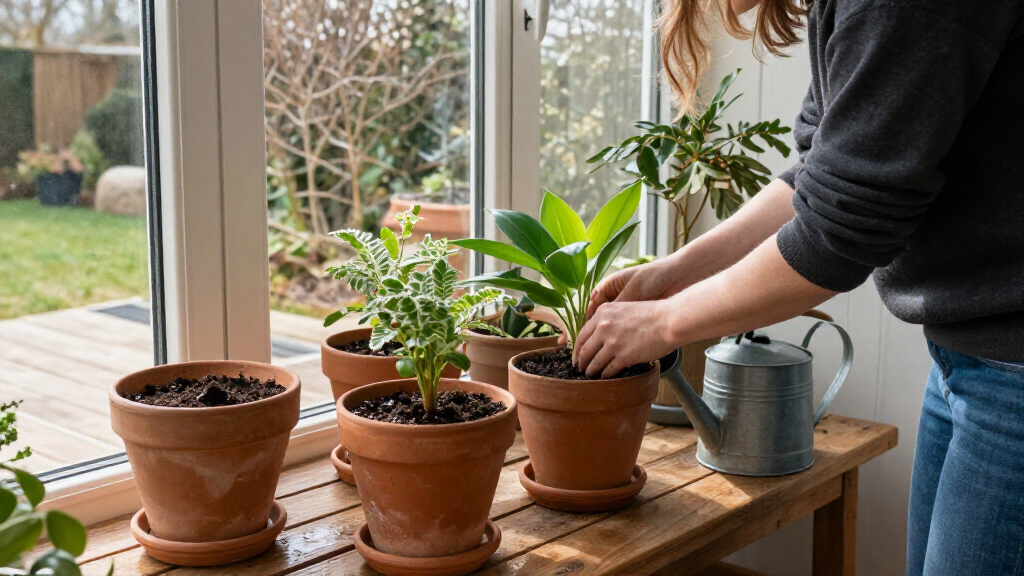
A November 2026 Laidback Gardener report explains that houseplants do not all enter the same kind of winter rest: many tropical plants simply grow more slowly as light levels fall, while others may stop growing because conditions are unsuitable. The distinction affects watering, light and fertilizer, and the report says gardeners should not impose cold or drought to force dormancy.
A Nov. 8 report from Laidback Gardener says many houseplants do not enter a true seasonal dormancy in winter: they simply grow more slowly as daylight and light intensity fall. The distinction matters because plants that slow down or temporarily stop growing generally need care adjusted to their lower water use, not an artificially imposed cold or dry period.
The report separates three patterns commonly described as a plant “resting.” For many tropical houseplants, including pothos and monstera, winter means slower growth rather than dormancy. Shorter days and weaker natural light reduce photosynthesis and the energy available for new leaves, stems and roots. These plants remain metabolically active, and with adequate lighting they may keep growing.
A plant may instead experience quiescence, also called ecodormancy, when external conditions temporarily prevent growth. The report gives insufficient light, unsuitable temperatures and lack of water as possible causes. A quiescent plant remains alive and can resume growth when conditions improve. Tropical hibiscus may shed many leaves after being moved indoors, while hibiscus or bougainvillea kept in cool conditions may stop growing.
The report advises matching watering to actual use: soil often stays moist longer when growth slows or stops, raising the risk of root rot. It recommends reducing watering frequency, avoiding heavy fertilizing when a plant is barely growing, and providing suitable light. It cautions against using drought or cold to force a tropical plant into dormancy.
Winter Care Depends on Growth
Recognizing whether a plant is growing slowly or has stopped growing can help avoid care that compounds winter stress. A plant using less water may need less frequent watering; keeping the usual schedule can leave potting mix wet for longer and increase the risk of root rot. Heavy fertilizer is also not recommended by the report when growth is minimal.
The distinction can guide decisions about light and temperature, too. If a hibiscus has stopped growing because it is too dark, moving it to a brighter location or adding a grow light may help. A bougainvillea intentionally kept cool for winter may simply be left until conditions improve. The right response depends on the species and the conditions causing the slowdown, rather than on a one-size-fits-all rule that houseplants need a winter rest.
Products Worth Considering

Philips Hue Festavia 65-Foot Smart LED String Lights, 250 Color-Changing Mini LEDs

Philips Hue Bridge Pro Smart Lighting Hub

TCL 75-Inch QM6K QLED Mini LED 4K HDR Smart Google TV, 144Hz
As an affiliate, we earn on qualifying purchases.
Three Forms of Winter Rest
The report notes that “rest” is a horticultural term, not the name of one specific plant process. It distinguishes slower growth, where growth continues at a reduced pace, from quiescence, where external conditions temporarily prevent it. These can be hard to tell apart by looking at a plant alone.
A third pattern is endodormancy, in which internal physiological processes inhibit growth even if the environment is otherwise suitable. The supplied report introduces this category but ends before giving its examples or completing its explanation. It says that, depending on the species, ending endodormancy may require a period of cold or other physiological changes. That is different from a plant merely waiting for better light, warmth or water.
““Rest is a term commonly used in horticulture, but it doesn’t refer to a single physiological phenomenon.””
— Laidback Gardener report, published Nov. 8, 2026
Species and Conditions Matter
The report does not provide a species-by-species care schedule, and winter response can vary with light, temperature, water and indoor humidity. It also says growth slowdown and quiescence are not always easy to distinguish by appearance alone. The supplied source text cuts off during its discussion of endodormancy, so it does not include the full explanation or any further examples of that process.
It is also not possible to tell from the source alone why a particular houseplant has stopped growing. Leaf loss or a lack of new growth may accompany changed indoor conditions, but the report does not present these signs as a definitive diagnosis. Plant species and its growing conditions should inform any care change.
Watch Growth and Soil Moisture
For the immediate winter-care decision, the report’s guidance is to observe whether the plant is still growing, check how quickly its potting mix dries, and consider whether light or temperature has changed. Reduce watering frequency when the soil stays wet longer, while avoiding complete root drying for species that do not tolerate it. Skip heavy feeding while growth is minimal.
If growth has stopped, respond to the likely conditions rather than trying to force a seasonal cycle: a dark location may call for more suitable light, while a plant deliberately kept cool may remain at rest until spring. The report offers no calendar date for renewed growth; that depends on the plant and when conditions become favorable again.
Key Questions
Do houseplants go dormant every winter?
No. The report says many tropical houseplants slow their growth as winter light declines but remain active. Other plants may stop growing temporarily because conditions are unsuitable, a state called quiescence.
Should I water houseplants less in winter?
Often, watering should be less frequent if a plant uses less water and its potting mix stays moist longer. Check the soil and the plant’s needs rather than following a fixed schedule; the report warns that prolonged wetness can raise the risk of root rot.
Should I use cold or drought to make a plant rest?
The report says not to impose cold or drought to induce dormancy in tropical plants. Adjust care to the plant’s actual conditions and water use.
What is the difference between slow growth and quiescence?
With slow growth, the plant continues growing at a reduced rate. With quiescence, external conditions temporarily prevent growth; the plant can resume when those conditions improve.
Source: laidbackgardener.blog