
To avoid mid-event panic, always make certain you have enough fuel for your generator’s expected usage plus a buffer, typically around 20%. Calculate your fuel needs based on load and runtime, then add extra safety margin. Use proper storage containers and maintain them well to keep fuel fresh and accessible. Good planning prevents shortages and keeps your critical systems running smoothly. Keep these tips in mind, and you’ll be prepared for any outage. There’s more to guarantee your system stays reliable under any situation.
Key Takeaways
- Always include a 20% safety buffer when estimating generator fuel needs.
- Calculate fuel consumption based on expected runtime and load levels.
- Store fuel in compliant, high-quality containers to maintain freshness and safety.
- Regularly inspect and maintain fuel tanks to prevent leaks and degradation.
- Keep detailed records of fuel quantities, purchase dates, and usage for accurate planning.
Effective fuel planning is essential to guarantee your generator operates reliably during power outages. When you’re relying on your generator to keep essential systems running, running out of fuel isn’t just inconvenient—it can be dangerous. To avoid this, understanding the simple rule that guarantees you won’t be caught short is key: always have enough fuel to cover your expected usage, plus a buffer for unexpected needs. This approach helps you maintain maximum fuel efficiency and prevents mid-event panic.
Always have enough fuel plus a buffer to ensure generator reliability during outages.
One of the most effective ways to improve fuel efficiency is to accurately estimate your generator’s consumption. Calculate how much fuel your generator uses per hour at various load levels, then multiply that by the number of hours you expect to run during an outage. Adding a safety margin—say, 20%—ensures you’re covered if the situation extends beyond your initial estimate. This simple calculation keeps you from overestimating or underestimating your fuel needs, which can lead to wasted resources or dangerous shortages.
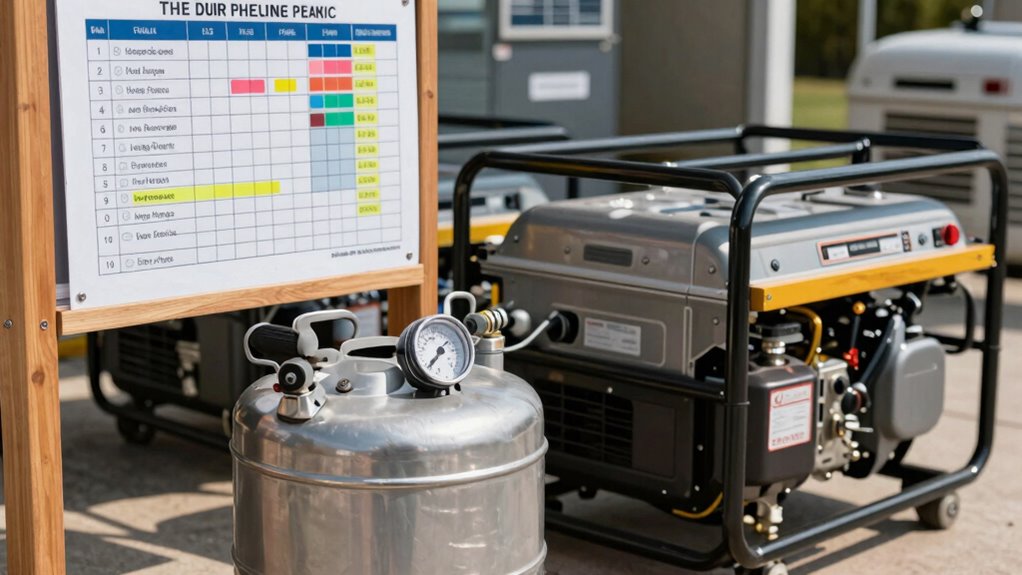
Storage solutions play an important role in maintaining your fuel supply. Properly storing fuel means choosing containers that are safe, compliant with regulations, and capable of preventing leaks and contamination. Whether you opt for portable tanks or stationary storage, ensure they’re appropriately sized based on your calculated needs. Using high-quality, stable fuel storage solutions not only prolongs fuel freshness but also reduces the risk of spoilage and degradation, which can compromise generator performance. Additionally, consider installing a fuel management system that tracks your fuel levels and usage, giving you real-time insights and alerting you before your supply becomes critically low.
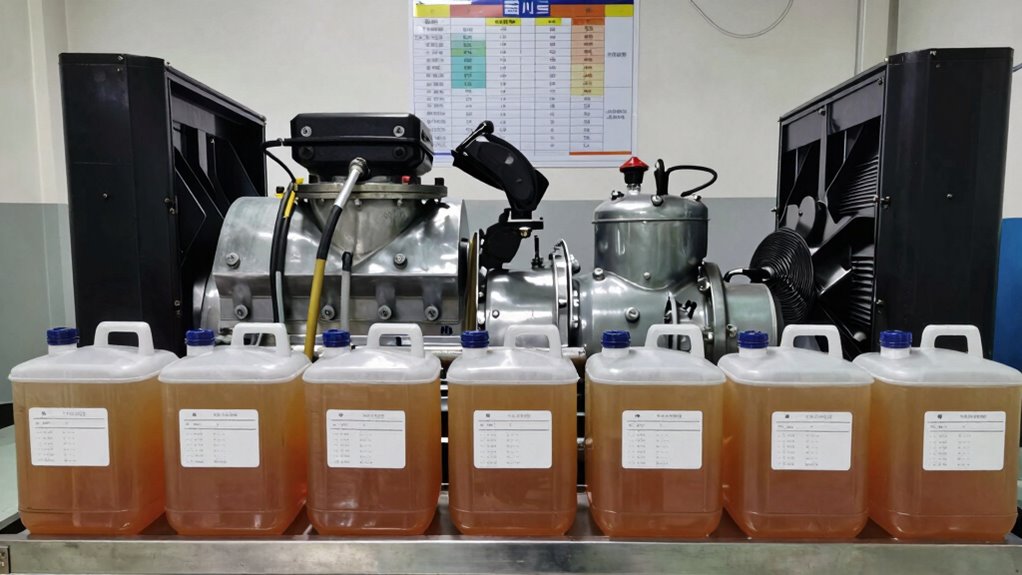
Keeping your fuel organized and protected is equally essential. Store fuel in a cool, well-ventilated area away from heat sources and ignition points. Label containers clearly with their contents and purchase date to monitor freshness and avoid using degraded fuel. Regularly inspect storage tanks for leaks or corrosion and follow a routine maintenance schedule to ensure your fuel system remains in good condition.
Furthermore, selecting a high-quality generator that matches your power needs can significantly improve fuel efficiency and reliability during outages. Proper maintenance of your generator ensures optimal performance and fuel consumption.
Finally, always plan ahead. Don’t wait until an outage is imminent to think about your fuel needs. Develop a complete plan that includes estimates of your generator’s consumption, storage solutions, and contingency measures. By adhering to this straightforward rule—maintain enough fuel for your expected use plus a buffer—you’ll be better prepared, more confident, and less likely to panic when the power goes out. Proper fuel planning isn’t complicated, but it’s essential for keeping your generator reliable and your operations smooth during emergencies.

Sportpules Universal 5 Gallon Gas Tank for Generator, Generator Fuel Tank, Unscrew the tank cap to get all of the accessories
- Tank Cap Accessory Retrieval: Unscrew cap to access accessories
- Portable Fuel Storage: 5-gallon capacity for easy transport
- Versatile Use: Suitable for generators and lawn tools
As an affiliate, we earn on qualifying purchases.
As an affiliate, we earn on qualifying purchases.
Frequently Asked Questions
How Often Should I Test My Generator’s Fuel System?
You should test your generator’s fuel system at least every three to six months. Regular fuel system maintenance and fuel testing procedures help prevent issues like fuel degradation or clogging. During these tests, check for contamination, water, and proper fuel flow. Consistent testing guarantees your generator’s fuel system remains reliable, so you’re prepared during power outages. Staying proactive with fuel system maintenance keeps your generator ready when you need it most.
What Fuel Types Are Best for Different Generator Models?
Did you know that using the right fuel type can boost your generator’s fuel efficiency by up to 15%? For most models, unleaded gasoline works well for smaller units, while diesel is best for larger, industrial-grade generators. Consider adding fuel additives to improve stability and prevent degradation, ensuring reliable performance when you need it most. Always check your manufacturer’s recommendations to select the best fuel type for your specific generator.
How Do Weather Conditions Affect Fuel Storage and Planning?
Weather patterns considerably impact your fuel storage and planning. Hot temperatures increase fuel evaporation, reducing your available supply and risking shortages during emergencies. Cold weather can cause fuel gelling or freezing, complicating usage. To stay prepared, monitor weather forecasts regularly, adjust storage conditions, and consider fuel additives to prevent evaporation and gelling. Properly planning for these weather effects ensures your generator runs reliably when you need it most.
Can I Mix Different Types of Fuel Safely?
You shouldn’t mix different types of fuel, as it can compromise fuel compatibility and storage safety. Mixing fuels may cause chemical reactions or engine damage, increasing the risk of unsafe storage conditions. Always use the recommended fuel type for your generator, and keep storage containers sealed and clearly labeled. If you need to switch fuels, drain the old fuel completely and clean the tank thoroughly to prevent contamination and make certain of safe operation.
What Safety Precautions Are Necessary During Fuel Storage?
Think of your fuel container as a treasure chest—safety matters. Always store fuel in approved containers, keep them upright, and away from heat sources. Use spill prevention measures like drip pans or secondary containment to catch leaks. Regularly inspect containers for damage, and verify proper ventilation. These precautions protect you from fire hazards, spills, and environmental harm, keeping your generator ready and safe for any emergency.
Conclusion
By sticking to a simple fuel planning rule, you keep your generator running smoothly, like a well-oiled machine. Forgetting to plan is like sailing without a compass—you’re bound to get lost when it matters most. Keep your fuel topped up and your plans clear, so you won’t be caught in a storm of panic. With this straightforward approach, you’ll stay ahead of trouble and ensure your power stays steady as the tide.