To pass food event inspections with minimal stress, set up handwashing stations strategically near food prep and entry points, ensuring they’re well-stocked with soap, water, and towels or dryers. Place clear signage to remind everyone to wash thoroughly, and supplement with sanitizer stations at key locations. Keep all stations maintained and stocked throughout your event. Doing these simple steps shows your commitment to hygiene and keeps inspections smooth—learn more about perfect setups ahead.
Key Takeaways
- Place handwashing stations near food prep and entry points to promote frequent sanitation and compliance.
- Use clear signage with visual cues to ensure proper handwashing techniques are followed.
- Ensure stations are fully stocked with soap, water, and towels or dryers before the event.
- Incorporate touchless sanitizer dispensers at key locations for quick, contactless disinfection.
- Assign staff to regularly maintain, refill, and check all handwashing stations for optimal functionality.
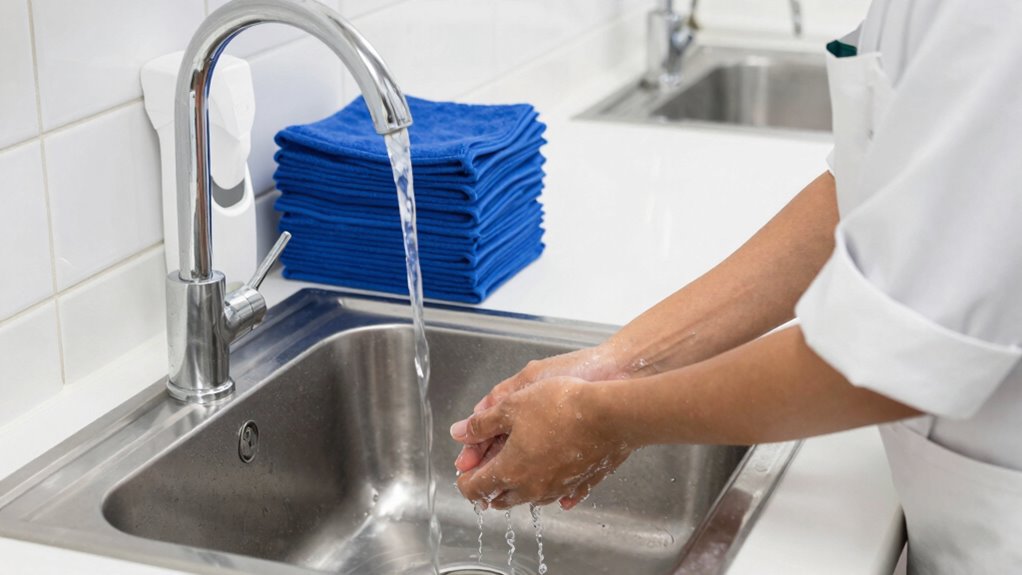
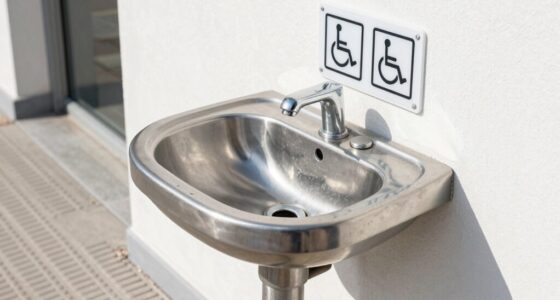
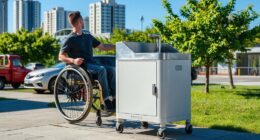
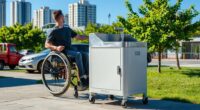
Have you ever wondered how proper handwashing can impact food events? When it comes to ensuring food safety and passing health inspections effortlessly, setting up effective handwashing stations is essential. These stations are your frontline defense against contamination, making it easy for staff and volunteers to maintain good hygiene throughout the event. You should position handwashing stations strategically—near food prep areas, restrooms, and entry points—to encourage frequent use. Clear signage helps remind everyone to wash their hands thoroughly, reducing the risk of germs spreading to food and surfaces.
Proper handwashing stations are crucial for food safety and smooth health inspections.
In addition to handwashing stations, sanitizer stations play a vital role. While handwashing with soap and water is ideal, sanitizer stations provide a quick alternative, especially when soap and water aren’t immediately accessible. Placing sanitizer dispensers at prominent locations ensures guests and staff can disinfect their hands quickly, maintaining a hygienic environment. Make sure these stations are well-stocked before the event begins and checked regularly to prevent running out of sanitizer. Using touchless dispensers can improve hygiene, limiting contact and reducing cross-contamination risks.
Preparing your setup in advance makes a big difference in how smoothly the inspection process goes. Verify that all handwashing stations have running water, soap, and disposable towels or hand dryers. For sanitizer stations, ensure bottles are filled and functioning properly. Keep a checklist to double-check these essentials before the event kicks off. It’s also wise to designate staff members responsible for maintaining these stations—refilling supplies and ensuring they remain clean and accessible throughout the event. When inspectors arrive, having all these stations in excellent condition shows your commitment to safety and cleanliness, which can help your event pass without stress.
Moreover, educating your team on proper hand hygiene practices is just as important as having the stations set up. Brief staff on the correct handwashing procedure—scrubbing for at least 20 seconds, covering all areas, then drying thoroughly. Encourage them to use sanitizer stations regularly, especially after handling raw foods or touching high-touch surfaces. This proactive approach not only minimizes contamination but also demonstrates your dedication to food safety standards.
Frequently Asked Questions
What Are the Common Mistakes to Avoid During Handwashing?
To avoid common mistakes during handwashing, make sure you use proper techniques like scrubbing for at least 20 seconds and cleaning under your nails. Avoid rushing or skipping soap, as these can compromise cleanliness. Don’t forget to dry thoroughly with a single-use towel or air dryer. These steps ensure effective hand hygiene, preventing contamination and passing inspections without stress. Proper handwashing keeps everyone safe and maintains high standards.
How Often Should Handwashing Stations Be Checked for Compliance?
Think of your handwashing stations as the heartbeat of your food event—you should check them regularly to keep everything running smoothly. Aim for daily inspections, aligning with your maintenance schedules, to guarantee compliance. Replenish supplies promptly and verify functionality often, especially before peak hours. This proactive approach helps avoid surprises and keeps your setup inspection-ready, making your event worry-free and ensuring your team stays compliant and confident.
What Hand Sanitizers Are Acceptable if Soap and Water Aren’T Available?
If soap and water aren’t available, you should use approved antiseptic gels or alcohol-based sanitizers. Look for products containing at least 60% alcohol to guarantee effectiveness. These sanitizers quickly reduce germs on your hands when handwashing isn’t possible. Always follow the manufacturer’s instructions for proper use, and keep them accessible at your handwashing station to maintain hygiene standards during food events.
How Can I Train Staff Effectively on Proper Handwashing Procedures?
You can effectively train your staff on proper handwashing by using interactive training techniques like demonstrations and role-playing, which boost engagement and retention. Regular compliance monitoring reinforces good habits, ensuring standards are maintained. Investigate the latest guidelines to confirm your procedures are up-to-date. Consistent feedback and refresher sessions also help staff internalize proper techniques, leading to a safer food environment and smooth inspections.
What Are the Key Signs of a Compliant Handwashing Setup?
You’ll know your handwashing setup is compliant when your handwashing equipment is clean, accessible, and stocked with soap and paper towels. Staff signage should be clear, visible, and instructive, reminding everyone of proper handwashing steps. Make certain your station has a functional sink with hot and cold water, and that staff regularly follow procedures. These signs and equipment confirm your setup passes inspections and promotes good hygiene practices.
Conclusion
By setting up an efficient handwashing station, you’ll not only pass inspections with ease but also protect your guests from illness. Did you know that proper hand hygiene can reduce the spread of foodborne illnesses by up to 50%? When you prioritize a simple setup, you create a safer, more confident environment. So, keep your handwashing station accessible and well-stocked—your event and your reputation will thank you!