TL;DR

Get pool and patio gear delivered free — and shop member deals
- Fast, free delivery on millions of items
- Access to Prime Big Deal Days deals on October 6–7
- Prime Video, Amazon Music and more included
An Amateur Gardening report outlines “Bobylon,” a home-scale approach to growing plants in pots or trays floated on stored water. It presents the idea as a partial aid during dry spells, not a replacement for conventional gardens, and notes limits involving suitable crops, water levels, contamination and polystyrene waste.
Amateur Gardening has outlined “Bobylon,” a small-scale floating-planter idea that uses a bath, sink or similar container to hold rainwater beneath plant pots or trays. The report presents the method as a possible partial way to keep selected crops supplied during dry periods, while emphasizing that it is not suitable for every plant or setup.
The approach adapts the larger floating gardens seen in documentaries to a domestic scale. Rather than building a substantial raft, a gardener places pots on a piece of expanded polystyrene cut to fit a water-holding container. Holes allow the bottoms of the pots to reach the water; the report says the float can be weighted or adjusted so that the compost contacts the water without the plants being submerged.
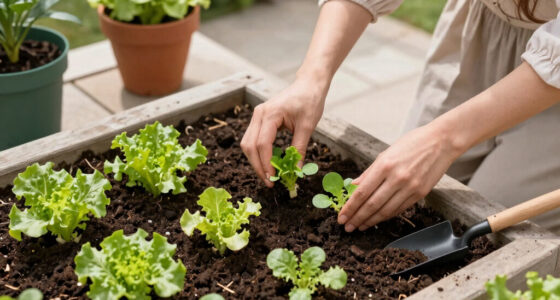
For shallow trays, the article suggests using two polystyrene seed trays, one on top of the other, or placing capillary matting beneath the upper tray. It says the arrangement can suit salad leaves, spinach, Chinese greens and watercress. The shallow compost makes trays less suitable for growing many plants to full size, but the report describes them as useful for starting crops and for plants vulnerable to slugs.
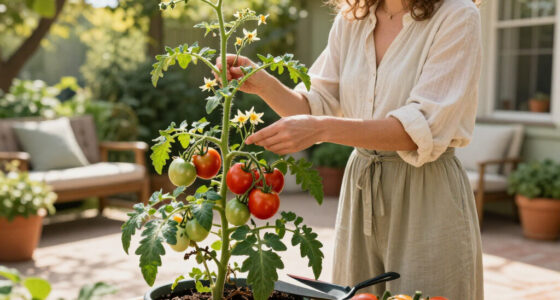
The article also names tomatoes, melons, cucumbers and sweet peas as plants that can tolerate standing in saucers of water when other growing conditions are favorable. It says cranberries and blackcurrants like wet soil, and blueberries need moisture but should remain above the waterline. The method still needs care: nutrients can leach from the growing medium, so occasional feeding may be needed. Water stored in a baby bath, the report adds, may support a small blueberry plant through the year but would not supply several thirsty plants without refilling.
A Small Buffer Against Dry Spells
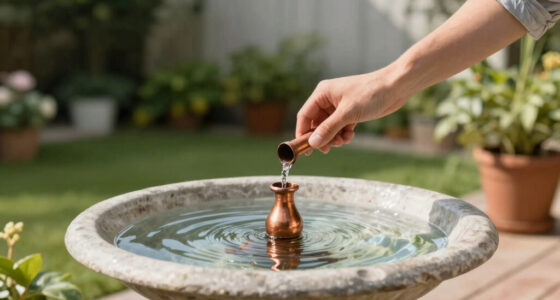
The practical appeal is that a reservoir beneath a plant could store rainwater and make it available as the growing medium dries, potentially reducing how often a gardener needs to water. The report frames this as a partial solution to drought, not a guarantee of uninterrupted watering or a substitute for checking plants and topping up the container.
The idea may also give gardeners a way to reuse an existing bath, sink or seed tray. But the benefits depend on matching the crop to the system: a small container has limited capacity, and the article cautions that most plants need air around their roots as well as moisture. Waterlogged compost can harm plants, particularly in cold conditions, so keeping roots above standing water remains a central constraint.
floating garden planters for small containers
As an affiliate, we earn on qualifying purchases.
As an affiliate, we earn on qualifying purchases.
From Large Rafts to Home Containers
The article compares Bob’s proposal with floating gardens in warmer regions, where large rafts made from timber and bark support crops in soil and mud. Those structures, it says, can rise only about 30 to 60 centimeters above the water and still support a range of crops, including fruit trees. The report does not suggest that a small home planter reproduces the scale or growing capacity of those gardens.
Instead, “Bobylon” applies the underlying idea—plants supported above stored water—to a small domestic container. Its purpose is limited: retain some rainwater for plants that can handle the arrangement, with the gardener monitoring the water level, crop health and growing medium.
““there is one possible, partial solution that might just help a tad in the next drought.””
— Amateur Gardening report
Limits of the Floating Setup
The report offers gardening advice, not measured trial results. It provides no quantified comparison of water use, crop yields or performance against ordinary containers, and does not specify how long a given setup will keep plants supplied under different weather conditions.
Its recommendations are also conditional on container size, crop and water level. A larger water butt may hold more water, but the report warns that plants could sit too low as water is used and become exposed or unstable when rain raises the level. Leaving a butt uncovered may allow debris and insect larvae into the water. The article does not give a design that resolves those trade-offs for every container.
Practical Checks Before Planting
The report does not announce a product launch, formal trial or follow-up date. For gardeners trying the idea, its guidance points to a modest setup: choose a suitable crop and shallow, stable container; keep compost in contact with water without submerging roots; monitor water levels and plant growth; and feed occasionally if nutrients leach out.
Anyone reusing polystyrene should check that the material is secure and dispose of broken fragments safely so they do not reach soil or watercourses. The source also directs readers to Amateur Gardening for further advice, but gives no additional timetable or results for “Bobylon.”
Key Questions
What is “Bobylon”?
It is the name used in an Amateur Gardening report for a small floating-planter idea: plant pots or trays rest on a float above water held in a container.
Which crops does the report suggest?
For floating trays, it names salad leaves, spinach, Chinese greens and watercress. It also says tomatoes, melons, cucumbers and sweet peas may tolerate standing in saucers of water under suitable growing conditions.
Can the setup prevent plants from drying out?
The article describes it as a partial aid during drought, not a guarantee. A small container has limited stored water, and thirstier plants may need it topped up.
What are the main risks?
Roots can be harmed by waterlogging, and plants may sit too low or become unstable as water levels change. An uncovered water butt may collect debris and insect larvae; polystyrene fragments should be kept out of soil and waterways.
Source: rss
Fall Picks
fall essentials
As an affiliate, we earn on qualifying purchases.