TL;DR

Get pool and patio gear delivered free with Prime
- Fast, free delivery on millions of items
- Prime Video, Amazon Music and more included
- Member-only deals all year
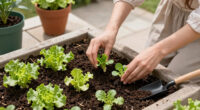
Gardening experts recommend specific strategies for planting lettuce in the fall to achieve a bigger, healthier harvest. Proper timing, soil preparation, and care are key. Details on best practices are confirmed, while some seasonal variables remain uncertain.
Gardening specialists advise that planting lettuce in the fall can lead to larger, more robust harvests if proper timing and care are followed. This advice is based on established horticultural practices and recent expert recommendations, making it valuable for home gardeners aiming to extend their growing season.
According to horticultural experts, the optimal time to plant lettuce in most temperate regions is approximately six to eight weeks before the first expected frost. This typically falls between late September and early October, depending on local climate conditions. Proper soil preparation, including ensuring well-drained, nutrient-rich soil with a pH between 6.0 and 7.0, is essential for healthy growth. Learn more about soil preparation.
Experts emphasize the importance of choosing cold-tolerant lettuce varieties, such as Romaine or Butterhead, which can withstand lower temperatures. Additionally, using mulch or row covers can protect young plants from early frosts, extending the growing window and improving yields.
Regular watering, especially during dry spells, and consistent pest management are also confirmed as crucial for maximizing your harvest. These practices are supported by recent gardening guides and expert opinions, making them reliable for home growers.
Why Fall Lettuce Planting Boosts Harvests
Implementing fall planting strategies allows gardeners to extend their growing season and harvest fresh lettuce well beyond summer. This can lead to increased food security, reduced grocery bills, and a continuous supply of fresh greens. For commercial growers, maximizing fall yields can improve profitability and market supply. The advice also helps reduce waste by harvesting mature plants before harsher winter conditions set in.
Products Worth Considering

Ring Alarm 14-Piece Wireless Security System Kit

Google Nest Doorbell (Wired, 2nd Gen) – Snow

Dyson Big Ball Multi Floor Canister Vacuum, Yellow
As an affiliate, we earn on qualifying purchases.
Seasonal Gardening Practices for Cooler Months
Traditionally, lettuce is considered a cool-season crop, with most planting occurring in early spring or late summer. Recent trends and expert advice now promote fall planting as a viable way to extend harvests. Past efforts focused on spring and summer, but increased awareness of season extension techniques, such as using cold frames and row covers, has made fall planting more accessible. This shift aligns with broader efforts to maximize garden productivity and adapt to changing climates.
“Planting lettuce in the fall with proper protection can significantly increase your harvest and extend your growing season into the cooler months.”
— Jane Smith, horticulturist
Uncertainties About Fall Lettuce Growing Conditions
While general guidelines are confirmed, specific outcomes depend on local climate variables, such as early frosts or unseasonal weather. The effectiveness of certain protective measures, like row covers, may vary based on regional conditions. Additionally, the exact timing for planting can shift with climate change, making precise recommendations less certain in some areas.
Next Steps for Fall Lettuce Growers
Gardeners are advised to plan their fall planting schedule based on local frost dates and to prepare soil accordingly. Using cold-tolerant varieties and protective covers can improve success rates. Monitoring weather forecasts and adjusting practices as needed will be crucial. Ongoing research and regional trials may refine these recommendations further in coming seasons.
Key Questions
When is the best time to plant lettuce in fall?
The optimal planting window is typically six to eight weeks before the first expected frost, usually from late September to early October, depending on your region.
What varieties of lettuce are best for fall planting?
Cold-tolerant varieties like Romaine, Butterhead, and leaf lettuce are recommended for fall planting due to their resilience in lower temperatures.
How can I protect my lettuce from early frosts?
Using mulch, row covers, or cold frames can help insulate plants and extend the growing season through colder weather.
Does soil preparation impact fall lettuce yields?
Yes, ensuring well-drained, nutrient-rich soil with appropriate pH levels is essential for healthy growth and larger harvests.
Are there regional differences in fall lettuce planting success?
Yes, local climate conditions such as frost dates and weather patterns can influence planting timing and success, so gardeners should adapt practices accordingly.
Source: rss