TL;DR

Get pool and patio gear delivered free with Prime
- Fast, free delivery on millions of items
- Prime Video, Amazon Music and more included
- Member-only deals all year
Gardening Know How has published a guide to seven plants for holiday porch pots, including small evergreens, winterberry holly, ornamental cabbage and kale, hellebores, coral bells and trailing ivy. The suggestions are intended for seasonal outdoor containers, but performance depends on local winter conditions, plant hardiness and whether a cultivar is flowering at the right time.
Gardening Know How has published a guide to seven plants for holiday porch pots, recommending a mix of winter-hardy foliage, berries, flowers and small evergreens for outdoor seasonal displays. The suggestions offer homeowners options for containers near entryways, though local climate and cultivar differences affect whether plants will remain attractive through winter.
The guide’s plant list includes ‘Ice Breaker’ Korean fir, winterberry holly, ornamental cabbage and kale, Christmas hellebores, ‘Little Gem’ Norway spruce, coral bells and trailing English ivy. The report presents the plants as choices for combining different forms and colors: upright evergreen structure, bright berries, rosette-shaped foliage, flowers and cascading leaves.
Some recommendations have specific seasonal features. The report says winterberry holly loses its leaves in autumn, leaving red berries on the branches, while ornamental cabbage and kale can provide white, pink, red or purple foliage. Hellebores may flower after the main holiday period; the article names ‘Christmas Carol Early,’ ‘Jacob’ and ‘Snowbells’ as cultivars that can bloom in time for the holidays.
The source also gives hardiness information for several plants. It describes ‘Ice Breaker’ Korean fir as hardy to -20°F, winterberry holly and Christmas roses as hardy to USDA zone 3, and ‘Little Gem’ Norway spruce as hardy to -40°F. Those figures are source-provided guidance, not a guarantee for every pot or location: container roots can experience different conditions from plants growing in the ground.
A Winter Display Built for Small Spaces
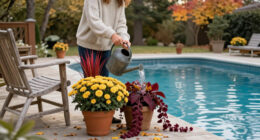
Porch pots let households add seasonal color and greenery without planting a full garden bed. The seven suggestions also give readers choices for more than one look: berries and flowers add color, while evergreen shrubs and ivy supply structure. Coral bells and ornamental cabbage offer foliage interest when many summer container plants are no longer in season.
The advice is most useful as a starting point, rather than a promise that every plant will thrive in every winter. Hardiness, exposure and container conditions matter. A plant rated for a cold USDA zone may still need a suitable pot and placement to cope with local weather, and a hellebore cultivar that flowers early may not bloom on the same schedule in every garden.
Products Worth Considering

Samsung 75-Inch M80H Series Mini LED 4K Smart TV (2026)

Philips Hue Smart LED Candle Bulbs, B39, E12, 2-Pack

Sonos One (Gen 2) Voice-Controlled Smart Speaker, White
As an affiliate, we earn on qualifying purchases.
Seven Choices for Seasonal Containers
The report frames late October as a useful time to begin assembling natural holiday decorations ahead of the period from Thanksgiving through the new year. It focuses on outdoor containers placed near front doors, steps and entryways, rather than giving a full planting calendar for every region.
Its selections combine different plant habits. Korean fir and ‘Little Gem’ Norway spruce are compact evergreens; English ivy is suggested as a trailing “spiller”; and winterberry adds berries without evergreen leaves. The article says ornamental cabbage and kale are cultivated for their colorful rosettes, although they are technically edible. It does not provide a complete container recipe or specify pot dimensions, watering schedules or exact combinations for each climate.
“The best plants for DIY holiday porch pots combine appealing structure with festive cut boughs.”
— Gardening Know How
Local Conditions Shape Plant Performance
The source does not give a publication date, identify a particular region for its advice or explain how its hardiness figures apply to plants kept in outdoor pots. Container exposure and local winter conditions can affect survival, so the listed ratings should not be read as assurances that a plant will withstand every frost or freeze.
It is also unclear which plant combinations the report considers best for specific climates, and whether all named cultivars are currently available from the sellers mentioned. The source excerpt cuts off during its container advice after recommending materials such as metal, wood or plastic, so it does not establish a complete set of planting or care instructions.
Check Conditions Before Planting
Gardeners considering the recommendations can compare each plant’s needs with their local growing conditions and the exposure of the porch. Check hardiness guidance and current availability with reputable nurseries or local extension services, particularly for named cultivars and plants kept in containers through freezing weather.
The source offers seasonal inspiration, but readers may need further local advice on pot size, drainage, watering and winter protection before assembling a display. Those details are not fully covered in the available report.
Key Questions
Which seven plants does the guide recommend?
It lists ‘Ice Breaker’ Korean fir, winterberry holly, ornamental cabbage and kale, Christmas hellebores, ‘Little Gem’ Norway spruce, coral bells and trailing English ivy.
Will all seven plants stay attractive through winter?
Not necessarily. The guide describes them as suitable candidates for winter containers, but weather, location, cultivar and container conditions affect how well they perform.
Do Christmas hellebores flower during the holidays?
The report says hellebores usually bloom in January, but identifies ‘Christmas Carol Early,’ ‘Jacob’ and ‘Snowbells’ as cultivars that may flower in time for the holidays.
What containers does the report suggest?
The available source excerpt recommends pots made from materials that can handle winter temperatures, including metal, wood and plastic. It does not provide full instructions on pot size, drainage or care.
Source: gardeningknowhow.com