TL;DR

Get pool and patio gear delivered free with Prime
- Fast, free delivery on millions of items
- Prime Video, Amazon Music and more included
- Member-only deals all year
An Amateur Gardening report recommends composting suitable garden cuttings or leaving them in wildlife piles instead of burning them. It says bonfires can cause smoke pollution, release carbon dioxide, kill small animals and waste organic material; diseased and thorny waste may need separate handling.
Amateur Gardening has outlined ways to handle garden cuttings without burning them, recommending composting or leaving suitable branches and stems in wildlife piles. The advice matters to gardeners dealing with seasonal pruning and fallen leaves, as the report says smoky bonfires can cause pollution and harm wildlife while discarding material that could return nutrients to the soil.
The report says manageable amounts of leaves and prunings can often go into a compost bin, provided woody stems are cut into short lengths and mixed with other material. It notes that fresh woody stems can add nutrients and help keep compost aerated. Thorny material is generally excluded in the article’s suggested approach because it may create hazards later; it can be buried or placed in a green waste bin. The report also advises separating obviously diseased material.
For larger quantities, the article proposes a wildlife pile made from untreated branches and other suitable garden cuttings. It describes these piles as places where insects such as beetles and woodlice can use decaying material, and where animals can find shelter. The material breaks down over time, returning nutrients to the soil, although the report says a pile may last longer if kept dry inside.
For smaller gardens, the report suggests placing modest piles beneath evergreens, at the base of dense hedges or in less visible corners. It also describes making a compact “wildlife log”: arrange two lengths of wire or strong twine on the ground, layer prunings across them, then tie the bundle tightly into a roll and place it among dense shrubs. These are recommendations from the article, not a guarantee that wildlife will use a particular pile.
A Lower-Smoke Way to Clear Cuttings
Choosing composting or a wildlife pile can reduce the need to burn garden material and keep organic matter in use. The article identifies several costs of bonfires: smoke pollution, carbon dioxide emissions, potential harm to small creatures and the loss of material that could decompose into soil nutrients. It does not quantify those effects or compare emissions from different disposal methods.
The alternatives also have practical limits. A compost bin may not accommodate large volumes or an excess of one type of material, and a wildlife pile requires suitable space and plant waste. For people with smaller gardens, the article’s bundled-pruning method offers a compact option, while local green-waste collection may be relevant for thorny or diseased material.
Products Worth Considering

Roborock RockNeo Q110H Wire-Free Robot Lawn Mower

Philips Hue Festavia Globe Outdoor String Lights, 32 Bulbs, 91 ft

Philips Hue Large Smart Light Tube, Black – White and Color Ambiance LED Color-Changing Light – 1 Pack
As an affiliate, we earn on qualifying purchases.
Seasonal Garden Waste Choices
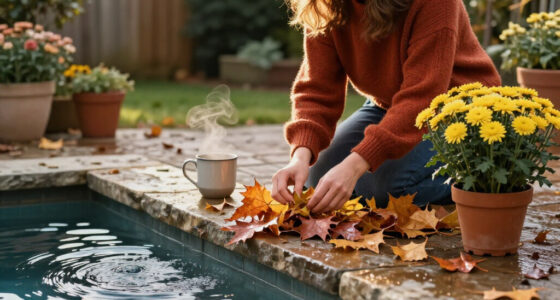
The report frames its advice around the season when gardeners collect fallen leaves, cut back herbaceous plants and prune hedges, shrubs, trees and fruit bushes. It distinguishes ordinary garden maintenance from occasions when some people use a bonfire to clear a larger or harder-to-manage pile.
The author discusses bonfires at celebrations such as Halloween or Guy Fawkes and contrasts them with smoky garden-waste fires that can affect people nearby. These comments reflect the author’s perspective and do not establish local rules. The article does not set out legal requirements, so readers should check relevant local guidance before burning garden waste.
“There is an alternative for all but the diseased stuff: the wildlife pile.”
— Amateur Gardening report
Local Rules and Wildlife Effects
The source does not provide a publication date, identify a particular council or set out local restrictions on garden fires or green-waste collection. It also gives no measurements for the emissions or health effects it describes, and no evidence quantifying how many animals use a wildlife pile. Whether a suggested method is suitable will depend on the amount and condition of the material, available space and local disposal options.
The article treats diseased material separately but does not identify specific plant diseases or give disposal instructions for each. Gardeners should seek appropriate local or plant-health guidance if they are unsure how to handle infected cuttings.
Choosing a Disposal Method
Gardeners can first sort cuttings by type and condition: mix suitable short woody stems and other material into compost, reserve appropriate branches for a wildlife pile, and keep thorny or diseased waste separate. Before using a green bin or lighting a fire, check the collection service’s instructions and applicable local rules. The report sets out practical options rather than announcing a policy change or a formal next step.
Key Questions
What is the main alternative to a garden bonfire?
The report recommends composting suitable material or leaving branches and stems in a wildlife pile where they can decay and provide shelter.
Can prunings go into a compost bin?
According to the article, fresh woody stems can be cut into short lengths and mixed with other compost material. Thorny and obviously diseased material should be handled separately.
How can people make a wildlife pile in a small garden?
The report suggests placing smaller piles beneath evergreens, at dense hedge bases or in hidden corners. It also describes tying prunings into a compact bundle with wire or strong twine.
What should be done with thorny or diseased waste?
The article says thorny material can be buried or put in a green bin, and advises excluding diseased material from the wildlife pile. It does not give disease-specific disposal rules, so check local guidance when needed.
Does the report say garden bonfires are illegal?
No. It gives advice about pollution and alternatives but does not describe local law. Rules can vary, so check with the relevant local authority before burning garden waste.
Source: amateurgardening.com