TL;DR

Get pool and patio gear delivered free with Prime
- Fast, free delivery on millions of items
- Prime Video, Amazon Music and more included
- Member-only deals all year
Gardening Know How recommends eight fall steps to make frequently used garden areas less attractive to snakes, including clearing hiding places, mowing grass and sealing access gaps. Its report identifies October as a useful time to act as some snakes look for winter shelter, but the advice does not guarantee snakes will leave and local species and conditions vary.
Gardening Know How has outlined eight fall measures for making frequently used garden areas less attractive to snakes, including removing clutter, keeping grass short and closing gaps in outbuildings. The report singles out October, saying snakes may seek sheltered places to brumate as temperatures cool, though the guidance does not establish that October is best in every region or that the measures will eliminate snakes.
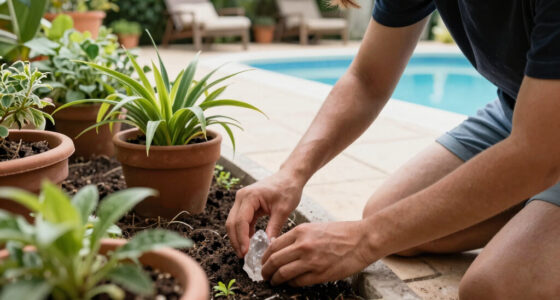
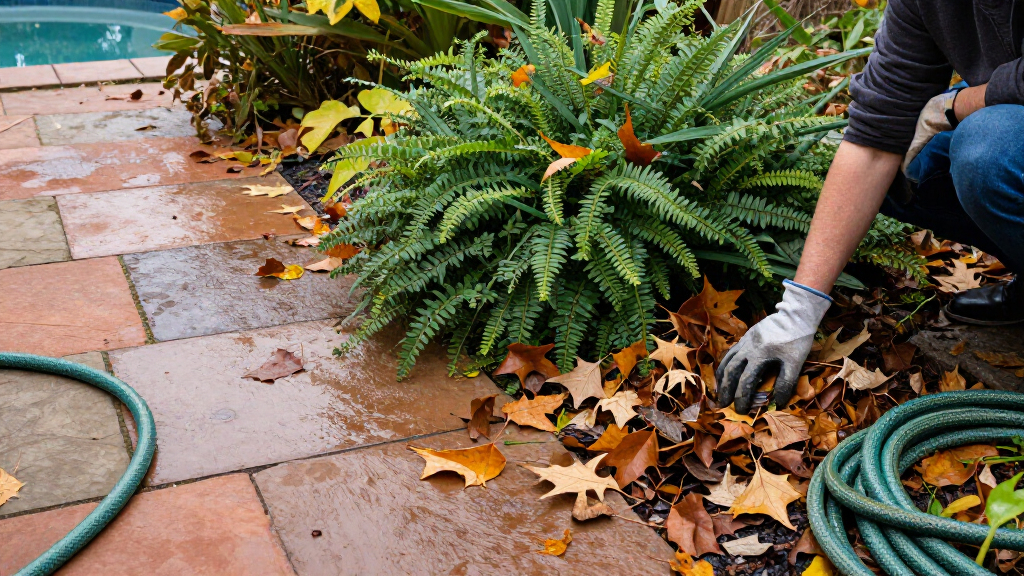
The recommendations focus on reducing cover, shelter and prey rather than trying to kill or handle snakes. The report advises clearing leaf piles and yard clutter from areas people use, trimming vegetation, and moving firewood stacks or compost piles farther from the house. It also says to use tools rather than hands when clearing likely hiding spots; ordinary gardening gloves should not be treated as protection from a bite.
Other steps include mowing grass to 3 inches or less, trimming dense shrubs so the ground beneath them is exposed, and choosing fine compost rather than bulky bark or straw mulch. These are the article’s recommendations, not a guarantee that snakes will avoid a yard. Residents should consider local plants, climate and wildlife guidance before making changes, particularly where maintaining habitat is a priority.
The final measures target food and entry points. The report says spilled birdseed can attract rodents and insects that snakes may eat, and suggests reducing seed waste around feeders. It also recommends closing gaps into sheds, summerhouses and homes. If a snake is already inside a building, or if a suspected gap may conceal one, the report’s general repair advice is not a substitute for contacting local wildlife or pest professionals.
Reducing Shelter Near Homes
The advice matters because removing attractive cover and prey may lower the chance of encountering snakes in high-use parts of a yard, while allowing residents to leave less-used corners undisturbed for wildlife. The report notes that many native U.S. snakes are not venomous and can help control rodents, slugs and insects. Its aim is to set boundaries around regularly used areas, not to portray all snakes as dangerous.
Fall maintenance can also address other yard concerns, such as clutter near buildings and spilled bird food that attracts rodents. But the exact risk depends on the species and location. People should not attempt to catch, kill or handle a snake; for a snake inside a home or a potentially venomous animal, local wildlife authorities or qualified professionals can advise on safe next steps.
Products Worth Considering

Dyson Ball Animal 3 Corded Upright Vacuum

eufy E25 Robot Vacuum and Mop Combo with HydroJet Roller Mop

Philips Hue Bridge Pro Smart Lighting Hub
As an affiliate, we earn on qualifying purchases.
Why October Is Mentioned
According to Gardening Know How, snakes become more active in the fall as they seek places to spend the colder months. It describes brumation as a period of reduced activity similar to hibernation, and says snakes may scout for frost-free shelter as temperatures fall to around 60°F. This temperature is presented in the report as a general seasonal cue, not a universal threshold for every species or climate.
The article also says snakes may be hungry in October as they build energy reserves before winter, and that some may return to the same sheltering areas to breed. These points explain the report’s timing, but the source does not provide regional data or evidence that all snakes follow the same seasonal pattern. Local conditions vary, and the headline’s claim that October is the “very best” time should be understood as the publication’s guidance rather than a broadly verified ranking.
““Only a quarter of native snake species in the USA are venomous.””
— Gardening Know How
Limits of the Fall Advice
The report does not provide independent testing showing how much each step reduces snake visits, nor does it establish that October is the best month across different climates. The effect of mowing, pruning, changing mulch or sealing gaps will depend on local species, weather and yard conditions. The article also does not identify which snake species are present in any particular reader’s garden.
Its general recommendations should not be read as a promise that snakes will leave, or as a way to identify whether an animal is venomous. The report’s estimate about venomous native U.S. species is not a substitute for local identification advice. Residents should check guidance from local wildlife agencies, especially before removing habitat or taking action around a snake.
Practical Steps for This Fall
Gardeners following the report can start by inspecting frequently used areas and removing clutter with tools, then trim grass and vegetation and check buildings for visible entry gaps. Changes should be made cautiously: do not reach into concealed spaces or seal a hole if an animal may be inside. If there is a snake in a home or shed, seek advice from a local wildlife agency or qualified professional before attempting repairs or removal.
The next step for readers is to compare the checklist with local wildlife guidance and seasonal conditions. Gardening Know How presents October as its recommended window, but the report gives no region-by-region calendar or follow-up data measuring results. Whether these measures reduce encounters in a particular garden remains dependent on circumstances.
Key Questions
Why does Gardening Know How recommend acting in October?
The report says snakes may seek sheltered places to brumate as fall temperatures drop and may be active while looking for food. October is its suggested timing, but local climates and snake species differ, so it is not established as the best month everywhere.
What are the main ways to make a garden less attractive to snakes?
The report recommends clearing clutter and leaf piles, mowing grass to 3 inches or less, pruning low shrub branches, using fine compost mulch, reducing spilled birdseed and closing gaps into buildings. These steps may reduce cover or food but do not guarantee snakes will leave.
Are all snakes in a garden dangerous?
No. Gardening Know How says most native U.S. snake species are not venomous and notes that snakes can eat rodents, slugs and insects. Do not handle or approach a snake to identify it; consult local wildlife authorities if you are concerned.
What should I do if I find a snake in a shed or home?
Do not try to catch or kill it, and do not reach into hidden areas or seal a gap that may trap it inside. Keep people and pets away and contact a local wildlife agency or qualified professional for advice.
Source: rss