To keep your sewage pump with a grinder dependable, regular maintenance is key. You should routinely check and replace blades to prevent buildup, inspect electrical connections, and make certain the motor runs smoothly. Keeping the grinder clean reduces noise and debris accumulation that can cause clogs. Proper maintenance also minimizes wear and extends your pump’s lifespan, ensuring dependable operation. To discover more tips on ongoing upkeep and troubleshooting, keep exploring the essentials.
Key Takeaways
- Regularly inspect and replace grinder blades to ensure efficient waste processing and prevent blockages.
- Clean debris buildup around the grinder and pump components to maintain optimal operation.
- Check electrical connections and motor health periodically to avoid unexpected failures.
- Lubricate moving parts as recommended to reduce wear and extend equipment lifespan.
- Conduct routine noise and vibration assessments to identify and address potential mechanical issues early.
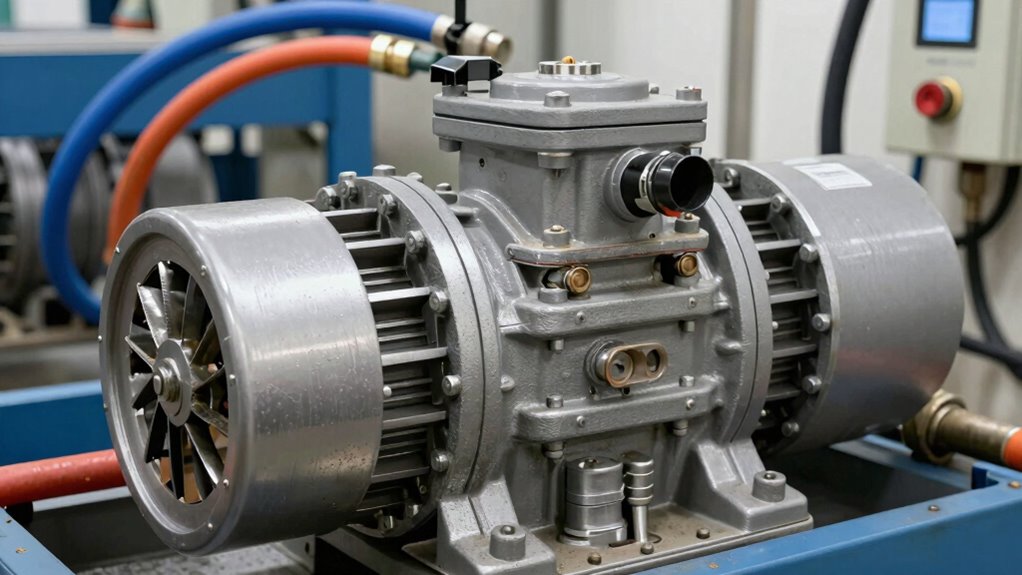
If you’re considering a sewage pump for your property, choosing one with a grinder can make a significant difference. A grinder-equipped pump is designed to handle solid waste more effectively, reducing the risk of clogging and ensuring smooth operation. When evaluating these pumps, pay close attention to pump efficiency, which determines how effectively the device moves waste and manages energy consumption. A highly efficient pump not only reduces electricity costs but also minimizes wear and tear, extending the lifespan of your equipment. The grinder design plays a fundamental role here — a well-crafted grinder breaks down waste into smaller particles, facilitating easier passage through the pump and sewer lines. This feature is especially essential if your plumbing system encounters irregular waste loads or if space constraints limit the size of your pipes.
The grinder’s design influences how well the pump handles solids and impacts maintenance needs. Look for models with durable grinding mechanisms that resist corrosion and clogging, ensuring long-term reliability. Some grinders feature sharp, replaceable blades that can be easily maintained or replaced, making routine upkeep simpler and more cost-effective. An effective grinder design also minimizes noise levels during operation, which can be a significant comfort factor, especially in residential settings. Properly designed grinders not only improve pump efficiency by reducing strain on the motor but also help prevent buildups that could lead to blockages or mechanical failures. Additionally, European cloud innovation emphasizes the importance of sustainable and energy-efficient solutions, aligning with the goal of maintaining reliable sewage systems.
Maintaining a sewage pump with a grinder isn’t complicated, but it’s essential to follow a regular schedule. Keep an eye on the grinder blades for signs of wear and replace them as needed to maintain maximum performance. Regular cleaning of the pump’s interior parts prevents debris accumulation that could hinder the grinder’s ability to function properly. Also, check the motor and electrical connections periodically to make sure they’re free of corrosion or damage. By maintaining the grinder design and keeping the pump running efficiently, you can avoid costly repairs and unplanned downtime.
Frequently Asked Questions
How Often Should Grinder Sewage Pumps Be Serviced?
You should service your grinder sewage pump every three to six months to guarantee reliable operation. During each service, check the power source for stability and inspect for any electrical issues. Also, perform pump lubrication to keep components moving smoothly and prevent wear. Regular maintenance not only extends the pump’s lifespan but also helps catch problems early, reducing costly repairs and downtime.
What Are Common Signs of Pump Failure?
You’ll notice pump failure through loud pump noise or unusual vibrations, which indicate trouble. If the pump makes grinding sounds or becomes noisier than usual, it’s a sign something’s wrong. Unusual vibrations or shaking also suggest mechanical issues. Don’t ignore these signs; they can lead to costly repairs. Regular maintenance helps prevent failure, but stay alert to these warning signs to catch problems early and keep your system running smoothly.
Can Grinder Pumps Handle Industrial Waste?
Think of grinder pumps as the sturdy gatekeepers of your wastewater system. They can handle industrial waste, but only if built with high pump durability. Not all grinder pumps are designed for heavy-duty industrial waste, so you must choose models specifically rated for such conditions. Otherwise, they risk clogging or failure, turning your flow control into a chaotic flood. Always verify pump specs to guarantee they meet your industrial waste needs.
What Safety Precautions Are Necessary During Maintenance?
During maintenance, you should always wear protective gear like gloves and goggles to prevent contact with hazardous materials. Before starting, make sure the emergency shutoff is easily accessible, and turn off the pump to avoid accidents. Follow lockout/tagout procedures, stay alert, and avoid shortcuts. Proper safety precautions protect you from electrical shocks, injuries, and exposure to wastewater, ensuring a safe maintenance process.
Are There Environmentally Friendly Maintenance Options?
Did you know that eco-friendly maintenance reduces chemical waste by up to 40%? You can opt for biodegradable lubricants and eco-friendly cleaning products to minimize environmental impact. These options help protect water sources and reduce toxic runoff. Incorporating biodegradable lubricants guarantees smoother operation without harming ecosystems, while eco-friendly cleaning keeps your equipment and environment safe. Making these choices supports sustainability and maintains your system’s reliability effectively.
Conclusion
Regular maintenance of your sewage pump with grinders isn’t just recommended—it’s essential. Did you know that neglected pumps can fail up to 50% faster, leading to costly repairs and backups? By staying on top of maintenance, you ensure reliable operation and avoid unexpected messes. Take action today; a little upkeep now can save you from major headaches later. Keep your system running smoothly and safeguard your home or business from costly sewage issues.