TL;DR

Get pool and patio gear delivered free with Prime
- Fast, free delivery on millions of items
- Prime Video, Amazon Music and more included
- Member-only deals all year
Gardening Know How’s report describes seven ways gardeners can reuse fallen leaves instead of sending them to the curb, including mulching, composting and protecting plants. It advises removing thick layers from lawns, while noting that some methods depend on leaf type, preparation and local conditions.
Gardening Know How has outlined seven ways to reuse fallen leaves, including shredding them for mulch, making leaf mold, adding them to compost and using them to protect tender plants. The practical guidance offers homeowners alternatives to bagging leaves, while warning that thick layers left on grass can block light and air and damage the lawn.
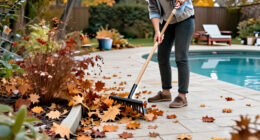
The report recommends leaving only a light covering of leaves on the lawn, where a mulching mower can chop them into small pieces that settle between grass blades. When leaves are too deep for a mower to shred effectively, the guide advises raking them off the grass and using them elsewhere. It says wet, compacted leaf layers can smother turf over winter and provide cover for mice and voles.
For garden beds, the report says shredded leaves work better than whole leaves as mulch because they are less likely to mat and shed water. It suggests spreading 2 to 4 inches of shredded leaves around trees, shrubs and perennials. Other uses include letting leaves decompose into leaf mold, which the report describes as a soil conditioner that can improve soil structure and water retention, and combining leaves with nitrogen-rich materials such as grass clippings or kitchen scraps in a compost pile.
The remaining uses in the guide are to insulate tender perennials during winter, add leaves to cleared vegetable beds, and use them as a resource for the garden rather than discarding them. The source cautions that leaf type matters: oak and magnolia leaves break down slowly, while black walnut leaves contain juglone, which can harm some sensitive plants. It recommends shredding slow-decomposing leaves or giving them extra time and taking care with walnut leaves.
Less Leaf Waste, More Garden Material
Reusing leaves can reduce the amount of yard waste sent to the curb and provide gardeners with material for mulch, compost and soil conditioning. The source presents these uses as a way to make use of a seasonal resource instead of buying all garden amendments or mulch separately; it does not quantify potential savings or compare them with store prices.
The advice also draws a practical distinction: leaves are not automatically harmful, but where they collect and how thickly they lie matters. A thin layer mulched into a lawn differs from a wet blanket of whole leaves left through winter. Moving excess leaves into beds or compost can help protect turf while retaining organic material on the property.
As an affiliate, we earn on qualifying purchases.
Why Leaf Layers Matter
Leaves typically begin accumulating heavily in autumn. The report says scattered leaves on grass are not the problem; trouble can arise when rain compresses a deep layer into a damp mat that limits light and air. In snowy regions, it says weakened turf may be more vulnerable to snow mold, which can appear as discolored, matted patches in spring.
The guide also distinguishes leaf mold from nutrient-rich compost. Leaf mold is produced as leaves break down slowly and is described as useful chiefly for improving soil structure and water retention. Shredded leaves can take about six months to decompose into leaf mold, while whole leaves may take close to a year; an undisturbed pile can take longer, according to the report.
Results Depend on Leaves and Conditions
The source does not provide measured results for how much money gardeners might save, how much soil moisture or weed growth changes, or how much leaf material is needed for a particular garden. Those outcomes can vary with climate, soil, leaf species and how the leaves are prepared.
The report’s seven-use headline is not fully represented in the supplied source excerpt: the text ends partway through the section on feeding vegetable beds. The excerpt confirms the first five uses and begins describing the sixth, but does not include the full instructions for that use or the seventh. Details for those two uses cannot be verified from the supplied material.
Use Leaves as They Fall
As leaves accumulate, the guide’s immediate recommendation is to mulch a light lawn covering and rake up thicker layers before they compact. Gardeners can then sort and prepare the material for beds, leaf mold or compost, keeping slower-decomposing and walnut leaves in mind.
The source does not announce a follow-up, deadline or planned update. Its advice is seasonal: store dry leaves for later composting or use them as they fall, and check the full guide for the remaining vegetable-bed instructions and seventh use, which are absent from the supplied excerpt.
Key Questions
Should I remove every leaf from my lawn?
No. The report says a light layer can be mulched with a mower. Rake up leaves when they are too deep to shred properly, since a thick, wet layer can block light and air and weaken grass.
How deep should shredded leaves be spread as mulch?
Gardening Know How suggests spreading 2 to 4 inches around trees, shrubs and perennials, then watering the pieces in.
What is leaf mold used for?
Leaf mold is decomposed leaf material that the report describes as a soil conditioner. It can improve soil structure and help soil hold water, but the source says not to expect it to provide many nutrients.
Can I compost oak or black walnut leaves?
The report says oak leaves break down slowly, so shredding them or allowing more time may help. Black walnut leaves contain juglone, which can harm some sensitive plants; the guide recommends keeping walnut leaves for a hot, well-managed compost pile where the compound can break down.
Source: rss
Halloween Picks
halloween
As an affiliate, we earn on qualifying purchases.