
Overflow shutoff valves are crucial safety features that automatically stop water flow during overflows or leaks, preventing costly damage to your floors, cabinets, and foundation. They work by detecting excess water and shutting off the supply before damage occurs. Proper installation and regular maintenance ensure they function effectively when you need them most. To understand how these valves can protect your property and keep your home safe, keep exploring this essential safety add-on.
Key Takeaways
- Overflow shutoff valves automatically stop water flow during overflows, preventing water damage to floors and property.
- Proper installation upstream of appliances ensures quick response and effective protection against leaks.
- Regular maintenance and testing ensure the valve functions reliably during overflow events.
- Compatibility with existing plumbing systems and correct placement maximize safety and ease of access.
- Record-keeping of inspections and repairs prolongs valve lifespan and ensures ongoing water damage prevention.
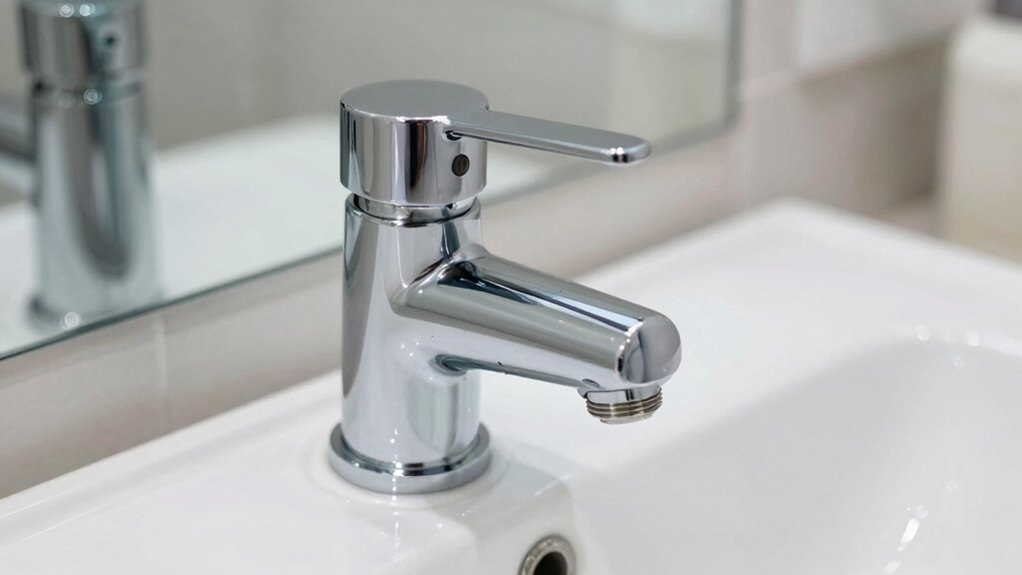
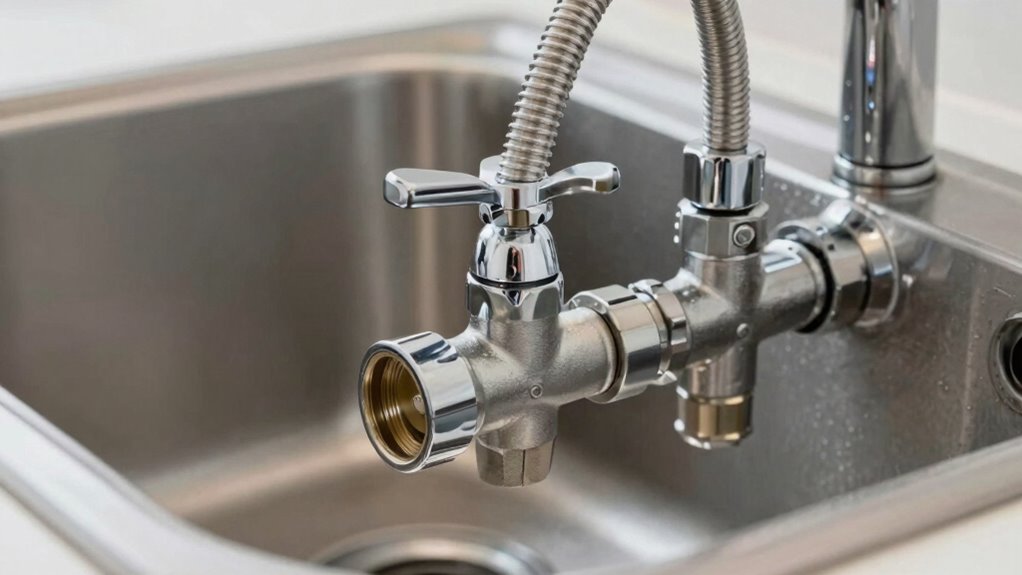
Have you ever worried about water overflowing and causing damage? If you’re responsible for managing a plumbing system, an overflow shutoff valve can be your best defense. This device acts like a safeguard, automatically shutting off water flow when it detects an overflow or leak, preventing costly damage to floors, cabinets, and even your home’s foundation. But before you install one, it’s essential to consider installation considerations carefully. You want to guarantee the valve is compatible with your existing plumbing, positioned correctly for quick response, and accessible for future maintenance. Proper placement is critical; it should be installed upstream of appliances like water heaters, sinks, or washing machines where overflows are more likely. Additionally, you need to verify the pipe size and material, making sure the valve fits seamlessly into your system. Skipping these considerations can lead to ineffective operation or even damage to the plumbing itself.
Once installed, your overflow shutoff valve requires regular maintenance procedures to keep it functioning at its best. This isn’t a set-and-forget device—over time, debris, mineral buildup, or corrosion can impair its sensitivity or cause it to malfunction. Routine inspections are necessary; check that the valve is free of leaks, corrosion, or blockages. You should also test the device periodically by simulating an overflow scenario, if possible, to confirm it activates correctly and shuts off the water supply. Cleaning the valve and its components guarantees it remains responsive. If you notice any wear or damage during inspections, replace the valve promptly to maintain the safety net it provides. Proper maintenance not only prolongs the lifespan of the valve but also guarantees it will perform reliably when needed most. Regular maintenance also aligns with the importance of modern safety features that utilize automation and precision to prevent water damage.
In addition to installation and maintenance, it’s wise to keep a record of your inspections and any repairs made. This documentation helps you stay aware of the valve’s condition and can be useful if you need to troubleshoot issues or prove compliance during inspections. Remember, an overflow shutoff valve is an essential safety feature that can save you from extensive water damage and costly repairs, but it’s only effective if installed correctly and maintained diligently. By paying attention to these details, you guarantee your home or business remains protected from unexpected water emergencies. So, take the time to choose the right valve, install it properly, and establish a routine maintenance schedule—you’ll thank yourself when disaster strikes and your system responds flawlessly.
Frequently Asked Questions
What Are the Installation Requirements for Overflow Shutoff Valves?
You should follow the installation guidelines carefully for overflow shutoff valves to guarantee proper function and safety. Check compatibility considerations with your plumbing system before installation, making sure the valve fits your pipe sizes and types. Use appropriate tools, secure connections tightly, and follow manufacturer instructions step-by-step. Proper installation not only prevents leaks but also ensures the valve effectively protects your floors from water damage during overflows.
How Often Should Overflow Shutoff Valves Be Inspected or Maintained?
You should inspect and maintain overflow shutoff valves at least once a year to guarantee they’re functioning perfectly—missing this could lead to catastrophic water damage. During routine maintenance, check for leaks and corrosion, and test the valve’s responsiveness. Regular leak detection helps catch issues early, saving your floors from disaster. Don’t wait for a flood—stay vigilant and keep your overflow shutoff valves in top shape!
Can Overflow Shutoff Valves Be Used With All Types of Plumbing Systems?
Yes, overflow shutoff valves can be used with most plumbing systems, but you need to take into account material compatibility and installation location. Make certain the valve’s materials match your system’s pipes and fittings to prevent corrosion or leaks. Proper installation is essential—place the valve where it can effectively detect overflow and shut off water flow quickly. Consulting a professional helps confirm compatibility and proper placement for maximum safety.
Are Overflow Shutoff Valves Compatible With Existing Plumbing Fixtures?
Think of overflow shutoff valves like a safety net for vintage fixtures; they’re generally compatible with most existing plumbing fixtures, making DIY installation feasible. I once helped a homeowner retrofit an old clawfoot tub, and the valve fit seamlessly, preventing water damage. Always check your fixture’s design and consult instructions, but in most cases, these valves integrate well, providing peace of mind without extensive remodeling.
What Are the Most Common Causes of Overflow Shutoff Valve Failure?
You might face overflow shutoff valve failure due to pressure fluctuations or valve corrosion. Sudden pressure changes can strain the valve, causing it to malfunction or leak over time. Additionally, exposure to moisture and minerals can lead to corrosion, weakening the valve’s components. Regular maintenance, such as inspecting for rust and ensuring stable pressure levels, helps prevent these issues and keeps your overflow shutoff valve functioning properly.
Conclusion
Imagine if a simple overflow shutoff valve could save your home from devastating water damage. Think about how many floors, memories, and belongings you protect just by installing this small device. Some say it’s just a safety add-on, but in reality, it’s a silent hero that could prevent disaster before it happens. Don’t wait until it’s too late—trust in this small but mighty valve to keep your home safe and dry.