TL;DR

Get pool and patio gear delivered free with Prime
- Fast, free delivery on millions of items
- Prime Video, Amazon Music and more included
- Member-only deals all year
Country Living’s gardening report describes practical steps for protecting outdoor potted plants before frost: move containers to a sheltered indoor space when possible, or group and cover them outside. Mulch can insulate roots, and Mississippi State University Extension says well-watered soil can help retain heat. Exact protection needs vary by plant, container and local conditions.
A Country Living gardening report outlines several ways to protect outdoor potted plants before the first frost, including moving containers into a garage or shed, grouping and wrapping pots that must stay outside, and adding mulch to insulate roots. The advice matters because container plants lack the insulating warmth of surrounding ground soil and can be more exposed to cold.
When pots are light enough to move and indoor space is available, the report recommends placing them in a garage, shed, basement or home. If the chosen space becomes very cold overnight, containers can be wrapped in old sheets or blankets for added insulation. Moving plants indoors is not an option for every gardener, particularly when containers are heavy or space is limited.
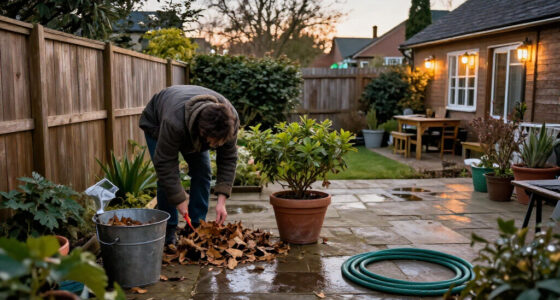
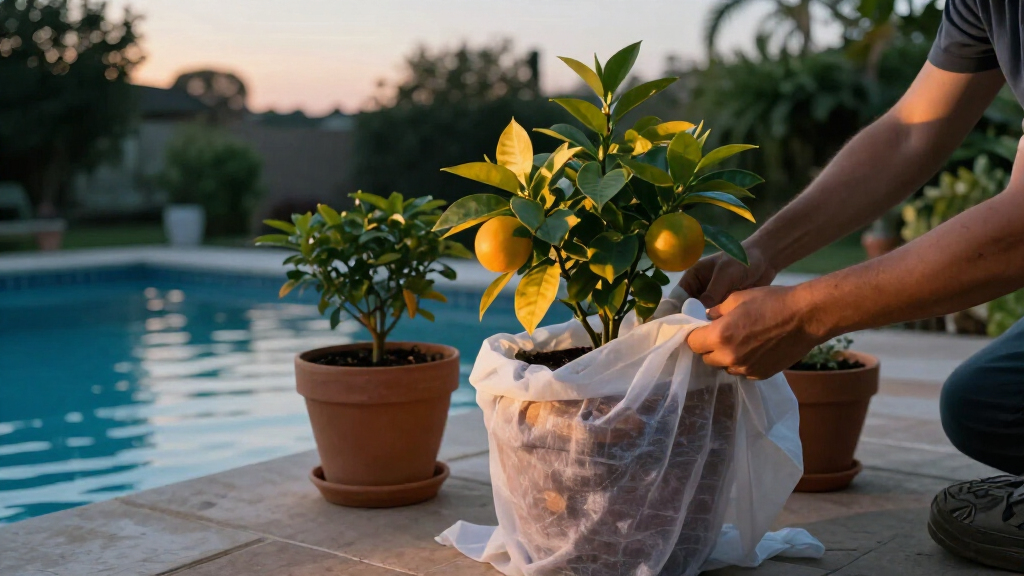
For pots that remain outdoors, the report advises placing them in a sunny area and grouping them close together, with the containers touching, as part of preparing plants for frost protection. Pots can be wrapped in sheets, burlap, plastic or cardboard. During especially cold conditions, lightweight fabric or plastic can also be draped over the plants. Heavy blankets and towels may weigh on foliage, while covering material that presses against leaves and branches can contribute to breakage.
The report says plastic sheeting should be removed in the morning before sunlight reaches the plants, because it can trap heat. For large containers that cannot be moved, it recommends adding mulch over the soil to help insulate roots, then covering the plant and container as needed. Horticulture experts at Mississippi State University Extension are cited as saying well-watered soil can retain heat and help prevent damage; the report also says mulch can help keep soil from drying out.
Why Containers Need Extra Frost Protection
Plants in pots do not benefit from the surrounding ground soil’s insulation, leaving their roots more exposed to changing temperatures. That makes the choice of where to place and how to cover a container relevant before a cold night, especially for plants that cannot be brought indoors. The measures described—shelter, insulation and attention to soil moisture—are intended to reduce exposure, not to guarantee that a plant will survive every freeze.
The recommendations also give gardeners options at different scales: relocating movable pots, grouping smaller containers, or insulating the soil in large planters that must stay put. Knowing when to remove plastic matters too, since a cover left in sun can trap heat. The report does not provide a single temperature threshold that applies to every plant, so gardeners still need to account for their own plants and local forecast.
Products Worth Considering

Philips Hue Festavia 130-Foot Indoor/Outdoor Smart String Lights, 500 LEDs

Shark PowerPro Reveal Plus Cordless Vacuum Cleaner, Charcoal, IZ376H

Sonos Era 100 SL Compact Microphone-Free Speaker – Black
As an affiliate, we earn on qualifying purchases.
How the Report Frames Frost Risk
The Country Living report presents this as seasonal gardening advice for the shift from fall to winter, rather than as a response to a specific frost event or forecast. Its central distinction is whether a container can be moved: indoor shelter is presented as an option for manageable pots, while grouping, wrapping and mulching are suggestions for containers that remain outdoors.
The source attributes the soil-moisture point to horticulture experts at Mississippi State University Extension. It does not cite a particular extension publication, identify plant varieties, or offer region-specific instructions. The advice should therefore be read as general guidance rather than a tailored plan for every species, climate or frost severity.
“Plants in containers don’t get warmth from ground soil, so they are especially vulnerable to frost damage.”
— Country Living report
What Depends on Plant and Local Conditions
The report does not specify a temperature cutoff for moving or covering plants, nor does it distinguish among plant species, pot materials or container sizes. It also does not say how long coverings should remain in place after a frost or how to adjust the advice for repeated freezes. Those details remain dependent on the plant, the local forecast and conditions at the growing site.
The source offers broad methods rather than a guarantee against damage. Gardeners should not assume that wrapping alone will protect every plant in severe cold, and the report does not provide a locally tailored assessment. Its cited watering guidance is specifically framed around a light freeze, not every cold-weather situation.
Check Forecasts Before Cold Nights
As the first frost approaches, gardeners can check their local forecast, decide which containers can be moved and prepare covers or mulch for those that must remain outside. The report’s suggested next steps are to place movable pots in sheltered indoor spaces, group and wrap outdoor containers, and protect exposed soil in large planters.
On mornings after covering plants, remove plastic before sunlight reaches them, as the report advises. Because the article does not give plant-specific thresholds, gardeners may need to consult a local horticulture extension service or other reliable plant-care guidance for advice suited to their species and conditions.
Key Questions
What is the easiest way to protect a potted plant before frost?
If the pot is light enough to move and space is available, the report recommends bringing it into a garage, shed, basement or home. A very cold indoor space may still call for wrapping the container overnight.
How should I protect pots that have to stay outside?
Country Living recommends putting containers in a sunny spot, grouping them so they touch, and wrapping them with material such as burlap, sheets or cardboard. Lightweight fabric or plastic can be draped over plants during especially cold conditions.
Should plastic covers stay on during the day?
No. The report advises removing plastic sheeting in the morning before sunlight reaches the plants, because it can trap heat. Avoid covers that press heavily on leaves and branches.
Should I water potted plants before a light freeze?
The report cites Mississippi State University Extension horticulture experts as saying well-watered soil can retain heat and help prevent damage. It does not give a universal watering schedule or advice for every plant and freeze condition.
Does this advice guarantee that my plants will survive frost?
No. The source gives general protective measures but does not account for every plant variety, temperature or local condition. For tailored guidance, check a local horticulture extension service or plant-specific care information.
Source: countryliving.com