
TL;DR

Get pool and patio gear delivered free with Prime
- Fast, free delivery on millions of items
- Prime Video, Amazon Music and more included
- Member-only deals all year
A Laidback Gardener report published Oct. 18, 2026, recommends targeted fall garden work rather than a complete seasonal cleanup. Its seven tasks include removing problem debris, shifting leaves and stems, protecting tender plants, and preparing beds where needed; what to do depends on local conditions and the plants involved.
Laidback Gardener published a seven-task fall garden checklist on Oct. 18, advising gardeners to focus on work that addresses a specific need instead of clearing beds simply for appearance. The report says useful tasks can include removing certain diseased material, moving leaves off paths, and bringing tender plants into shelter, with choices depending on local climate and garden conditions.
The report follows an earlier Laidback Gardener article about fall chores that gardeners can often skip, including cutting back entire flower beds, removing every fallen leaf, and turning soil. Its new checklist does not recommend leaving every plant and piece of debris untouched. Instead, it frames cleanup as a targeted response to a problem, such as a safety hazard, unwanted seedlings, or plants unlikely to tolerate winter outdoors.
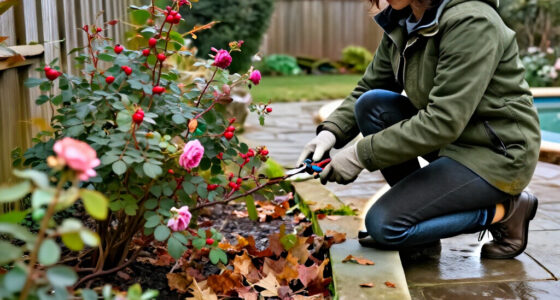
For plant disease, the report advises identifying the issue before cutting. It gives rose leaves affected by black spot as an example of material that may be worth collecting to reduce infected debris remaining over winter. By contrast, it says late-season powdery mildew on a perennial that is going dormant may not by itself justify cutting the plant back. In the vegetable garden, it adds, crop rotation and disease-resistant varieties can matter alongside cleanup.
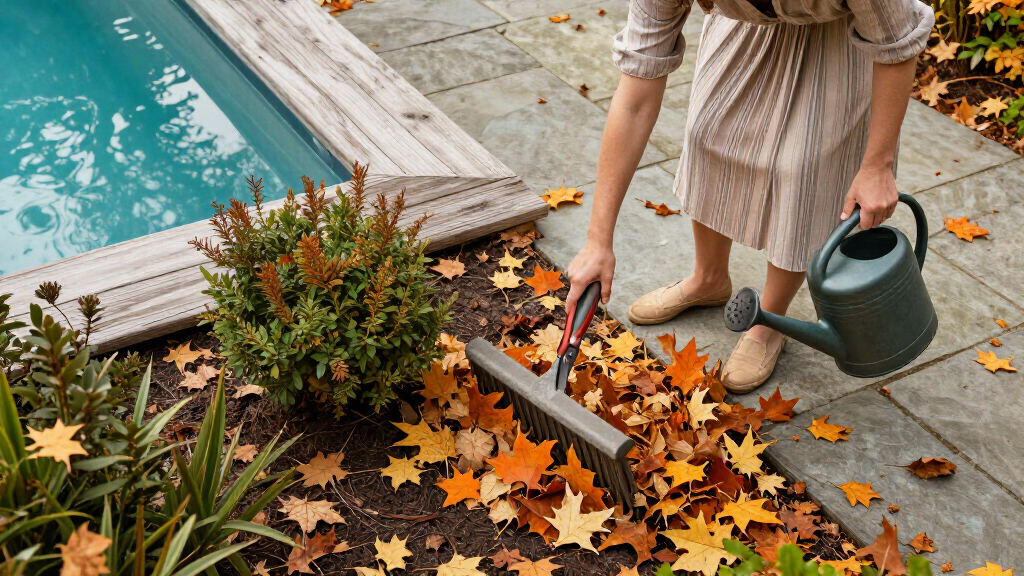
Other tasks described include removing flower heads before seeds mature when a plant is spreading more than desired; shredding or relocating leaves that form a thick layer on grass; clearing steps and other walking surfaces; and cutting only stems that have fallen across paths. The report also recommends considering whether houseplants, tropical plants, and tender bulbs or tubers should be moved into winter shelter. These are examples from the checklist, not universal instructions for every garden.
Targeted Work Can Protect Beds
The checklist matters because fall cleanup decisions can affect both plant health and garden habitat. Leaves and standing stems can serve useful purposes: the report says leaves can contribute organic matter, stems can shelter wildlife, and spent flowers can provide seeds for birds. Removing everything may discard material that could instead be used as mulch, compost, or cover in a less-used part of the garden.
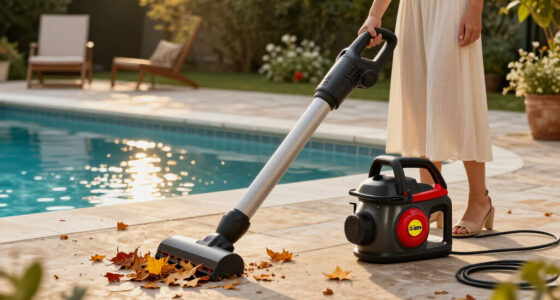
At the same time, leaving material in place is not always practical. A thick blanket of leaves can block light from grass, while leaves on steps can create a slipping hazard. Diseased debris or mature seeds may also warrant attention in some cases. The report’s central distinction is between selective cleanup and blanket tidying: handle the specific issue, then leave the rest where it can continue to benefit the garden.
That approach may also reduce unnecessary work. It does not mean gardeners should ignore plants that need protection or accept every self-seeding plant. Rather, the decision turns on what is growing, where debris has accumulated, and what the gardener wants to prevent before spring.
As an affiliate, we earn on qualifying purchases.
From Skipping Chores to Selective Cleanup
The article is part of a two-piece fall cleanup series from Laidback Gardener. The earlier piece, titled “Fall Cleanup: 7 Things Not to Do in the Garden,” argued that some familiar autumn chores are unnecessary. The Oct. 18 follow-up shifts from what can be skipped to which tasks may still be worthwhile.
The checklist’s advice is conditional rather than a fixed calendar for every region. For example, the report says to consider bringing outdoor houseplants inside when night temperatures begin falling below 10°C (50°F), rather than automatically waiting for the first frost. Timing for tender plants and garden debris will vary with local weather, plant hardiness, and the specific problem a gardener is addressing.
““The idea is to intervene where it actually makes a difference, rather than cleaning up simply for the sake of tidiness.””
— Laidback Gardener
Local Conditions Shape the Checklist
The report does not prescribe one cleanup schedule for all gardens, and its advice depends on factors such as climate, plant species, disease, and the location of debris. It does not establish that removing diseased material will prevent a particular infection, nor does it offer a diagnosis for individual plants. Gardeners need to identify the disease and consider local conditions before deciding what to cut or discard.
The source material provided for this article includes only part of the original checklist; it ends during the section on bringing houseplants indoors. The full remaining task list is not available here, so the seven tasks cannot all be independently detailed from the supplied text. Specific local frost dates, plant survival prospects, and the best disposal method for diseased debris are also not established by the report.
Check Plants Before Frost
Gardeners can use the checklist as a prompt to walk the garden and identify practical problems before winter: blocked steps, heavy leaf cover on grass, seed heads they do not want to spread, or plants that may not tolerate outdoor temperatures. The report says to consider moving outdoor houseplants inside when nighttime temperatures start dropping below 10°C (50°F); local forecasts and the needs of each plant should guide the timing.
For any cleanup, the next step is to decide where removed material can be reused or whether it needs separate disposal, particularly if it is diseased or contains mature seeds. The source provides no follow-up date or additional official guidance. The tasks remain seasonal recommendations, not a confirmed event with a later milestone.
Key Questions
What is the main advice in the fall cleanup report?
Laidback Gardener recommends doing targeted work rather than clearing the whole garden. It says to address specific problems, such as unsafe paths, unwanted seed spread, or plants that need winter shelter, while leaving useful leaves and stems where appropriate.
Should all diseased plants be removed in fall?
No. The report says a disease’s presence does not automatically mean the whole plant needs to be removed. It identifies rose leaves affected by black spot as one example of debris that may be collected, while noting that late-season powdery mildew on a perennial going dormant may not warrant a full cutback.
What should gardeners do with leaves on the lawn?
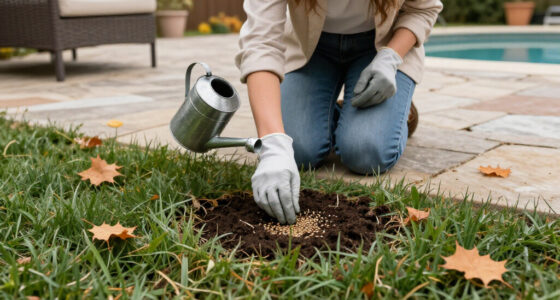
The report says a light covering can be mowed into small pieces. If leaves form a thick layer that blocks sunlight from reaching the grass, it recommends moving the excess to beds, a compost pile, or another suitable area.
When should outdoor houseplants be brought indoors?
Laidback Gardener says to start thinking about bringing them inside when nighttime temperatures begin dropping below 10°C (50°F), rather than necessarily waiting for the first frost. The right timing can vary by plant and location.
Source: rss
Halloween Picks
halloween
As an affiliate, we earn on qualifying purchases.