TL;DR

Get pool and patio gear delivered free — and shop member deals
- Fast, free delivery on millions of items
- Access to Prime Big Deal Days deals on October 6–7
- Prime Video, Amazon Music and more included
Gardeners are urged to protect specific plants like lavender and hydrangeas before the first frost. The focus is on drainage and wind protection rather than just temperature. Many common hardy plants fail due to winter wet and heaving, not cold alone.
Gardeners are advised to take immediate action to protect eight specific plant varieties before the first hard frost arrives. According to a report by Homes and Gardens, plants such as lavender, coral bells, and bigleaf hydrangeas often suffer winter damage not from extreme cold, but from winter wet, wind, and soil heaving. The guidance emphasizes that checking weather forecasts is more critical than relying solely on plant hardiness labels, as newly planted shrubs and potted specimens are particularly vulnerable to root rot and physical exposure.
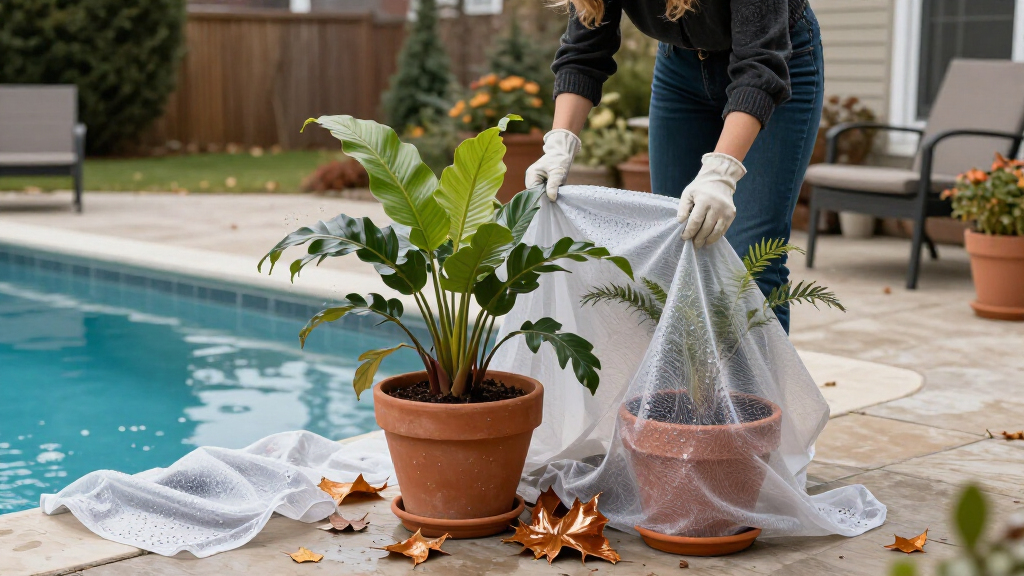
The report highlights that English lavender (Lavandula angustifolia) is frequently assumed to be fully hardy, yet it can struggle in heavy soil where water lingers. Experts recommend clearing fallen leaves from the plant’s base to prevent moisture retention against the crown. For exposed specimens, a protective garden fleece supported by a frame can shield the foliage from battering winds and rain, provided it is removed during mild spells to allow air circulation.
Coral bells (Heuchera spp.) face a different threat: freeze-thaw cycles that lift their shallow roots out of the soil. This exposure leaves the plant vulnerable to drying winds and cold. The recommended solution is applying a loose layer of mulch around the root zone after the ground cools, ensuring the crown remains uncovered to prevent rot. Gardeners should check plants after freeze-thaw events and gently press any lifted roots back into the soil.
Bigleaf hydrangeas (Hydrangea macrophylla) present a unique challenge because severe cold can kill flower buds set on old wood, even if the shrub itself survives. Protection involves creating a breathable enclosure using stakes and burlap or frost cloth once the plant is dormant. It is crucial to wait until temperatures are consistently cold before wrapping, as trapping heat can trigger premature growth. Varieties that bloom on new wood do not require this specific bud protection.
Why Winter Wet Threatens Hardy Plants
This guidance matters because many gardeners lose plants they believe are hardy due to a misunderstanding of winter stress factors. While USDA hardiness zones indicate minimum temperature tolerance, they do not account for drainage issues or wind exposure. The report clarifies that winter wet is often more dangerous than a brief freeze, particularly for Mediterranean herbs like rosemary and evergreen shrubs like gardenias. By focusing on root insulation and air circulation, gardeners can prevent common failures such as crown rot and desiccation.
For those in colder regions, the distinction between protecting roots and protecting foliage is key. Container plants require different strategies than in-ground specimens, as their roots are more exposed to freezing temperatures. Insulating pots or moving them to sheltered areas can mean the difference between survival and death for tender varieties. This shift in focus from temperature alone to microclimate management helps gardeners retain expensive specimens and ensure spring blooms.
garden fleece for winter plant protection
As an affiliate, we earn on qualifying purchases.
As an affiliate, we earn on qualifying purchases.
Specific Care for Vulnerable Species
The report details specific vulnerabilities for eight plants, including rosemary (Salvia rosmarinus), which dislikes cold, waterlogged roots. In colder zones, experts recommend moving potted rosemary to a bright, cool indoor spot or a frost-free greenhouse. Watering should be sparing but consistent to prevent the root ball from drying out completely. Japanese maples (Acer palmatum) are also at risk, particularly young or container-grown trees. Their fine roots are susceptible to freezing in pots, and drying winds can damage delicate branches. Applying mulch and using tree wraps can protect against winter sunscald and temperature swings.
Gardenias (Gardenia jasminoides) are evergreen shrubs that require protection from drying winds, which can cause leaf drop. The report suggests using breathable covers to shield these plants from harsh elements. For all these species, the timing of protection is critical. Actions such as mulching should occur after the soil cools in October, while wrapping should wait until the plant is dormant. This sequencing prevents trapping moisture and heat, which can invite pests and disease.
Regional Variations in Plant Hardiness
While the report provides general guidelines, local microclimates can significantly alter plant performance. The USDA hardiness zones cited for plants like lavender (Zones 5–9) and hydrangeas (Zones 5–9) are broad averages. It is not yet clear how specific local wind patterns or soil compositions in a given garden will affect these plants. Gardeners in marginal hardiness zones may need to experiment with protection methods, as a plant that thrives in one yard may fail in another due to subtle differences in drainage or shelter. Additionally, the effectiveness of specific commercial products, such as fleece supports or pot insulators, may vary based on the severity of the winter forecast.
Monitoring Weather and Spring Recovery
Gardeners should continue to monitor local weather forecasts throughout the winter months. Protection measures like fleece covers should be removed or opened during mild spells to prevent overheating and moisture buildup. In spring, it is important to remove tree wraps and mulch carefully to avoid pest harborage. Checking for lifted plants after freeze-thaw cycles should remain a priority until the ground fully thaws. For hydrangeas, assessing bud survival will determine if pruning is necessary. Gardeners are advised to keep records of which plants survived and which failed to refine their protection strategies for the next season.
Key Questions
Why does lavender need protection if it is hardy?
Lavender is hardy to cold temperatures but is highly susceptible to winter wet. Heavy soil and lingering moisture can cause crown rot, killing the plant even if temperatures stay above freezing. Good drainage and airflow are more critical than warmth.
When should I mulch my coral bells?
Mulch should be applied in October after the ground begins to cool. This timing helps insulate the roots against freeze-thaw cycles without trapping heat during warmer autumn days. Ensure the mulch does not cover the crown.
Do all hydrangeas need winter wrapping?
No, only bigleaf hydrangeas that bloom on old wood typically require bud protection. Varieties that bloom on new wood do not need wrapping to protect flower buds, though they may still benefit from wind protection if they are young or in exposed sites.
Can I keep rosemary outside in a pot?
In colder zones, it is best to move potted rosemary indoors or to a frost-free greenhouse. If it must stay outside, use a pot insulator and place it against a sheltered, sunny wall. However, deep freezes may still require moving the pot to shelter.
Source: rss
Fall Picks
fall essentials
As an affiliate, we earn on qualifying purchases.