TL;DR

Get pool and patio gear delivered free with Prime
- Fast, free delivery on millions of items
- Prime Video, Amazon Music and more included
- Member-only deals all year
A Homes & Gardens report advises gardeners to protect vulnerable plants from browsing and gnawing wildlife as autumn food supplies decline. It highlights young trees and hedges, roses and evergreen shrubs, fruit trees, soft fruit bushes, and winter vegetables, with guards and fencing among the suggested measures. The supplied source excerpt does not include the full list of seven plant groups.
Homes & Gardens has published advice urging gardeners to check plants for animal damage and protect vulnerable growth as autumn food becomes scarcer. Its report identifies young trees and hedges, roses and evergreen shrubs, fruit trees, soft fruit bushes, and winter vegetables among the plants that may need guards or fencing before winter browsing and gnawing intensify.
The report says that deer, rabbits, squirrels, mice and voles may be more likely to enter gardens as food becomes harder to find in colder months. It recommends a fall inspection to spot existing damage and prioritize newly planted or especially valuable plants. The source excerpt names five plant groups, although its headline promises seven; it does not provide the remaining two categories or their advice.
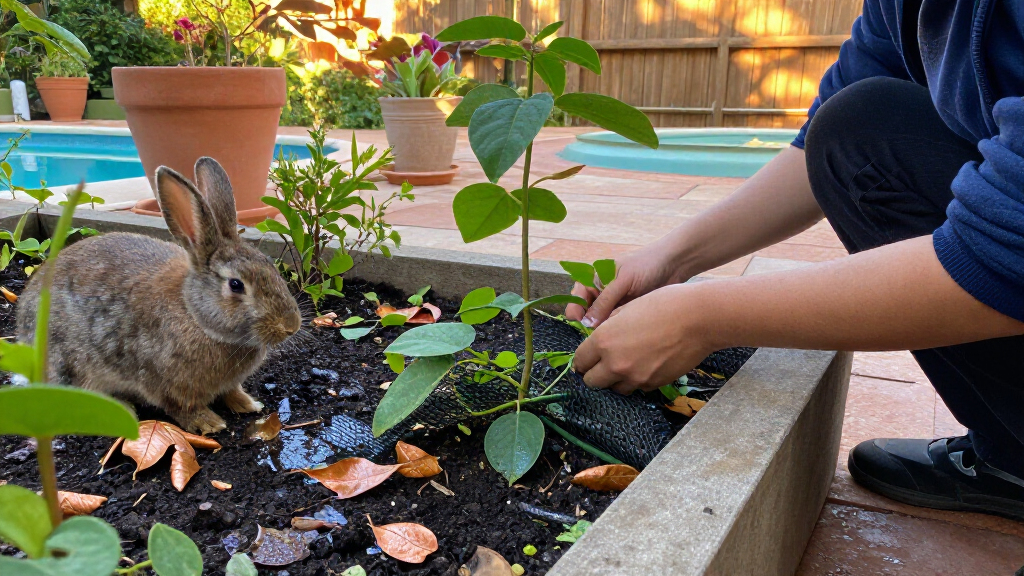
Young trees and new hedges can be vulnerable while they establish. Permaculture designer Elizabeth Waddington, of First Tunnels, says rabbits may gnaw bark near the base, while deer can browse branch tips or rub against trunks. She recommends a suitable tree guard or securely anchored wire mesh, sized for local animals and checked so it does not rub as the trunk grows. Taller barriers may be needed where deer are present.
Landscaper Jacob Bradbury, of Derbyshire Walling & Landscaping, says deer eat roses and evergreen shrubs, and recommends protection at least 6 feet (1.8 metres) high for those plants. For fruit trees, the report describes risks from deer browsing higher bark and buds and from rabbits, mice and voles damaging trunks near ground level. Bradbury suggests spiral guards for young trunks or enclosing an area with mesh fencing at least 4 feet (1.2 metres) high, with the bottom 6 inches buried.
Soft fruit bushes may be damaged by rodents and other herbivores feeding on stems, bark and dormant buds; the report also names bullfinches and pigeons as birds that can strip buds. Waddington recommends fruit cages, while the article also mentions enclosing cultivated beds with hardware cloth or chicken wire. Winter vegetables are introduced in the supplied material, but the excerpt ends before giving specific guidance for that category.
Protecting New Growth and Food Crops
Animal damage can affect more than a season’s harvest. The report says bark damage can kill trees, while harm to young trees may set them back as they establish. For gardeners, targeted protection in autumn may help safeguard fruit, shrubs and future planting without requiring every animal to be excluded from the garden.
Waddington frames the advice as a balance: protect plants that matter while allowing wildlife to remain part of a healthy landscape. Guards and barriers can focus on vulnerable plants or beds rather than treating wildlife itself as the problem. The practical choice depends on which animals are present and how high or low they can reach.
garden plant animal protection guards
As an affiliate, we earn on qualifying purchases.
As an affiliate, we earn on qualifying purchases.
Why October Checks Matter
The article links the seasonal risk to declining food availability as the weather cools. It says deer may be less noticeable in spring and summer, then enter gardens more often from late fall; smaller mammals also face difficult winter conditions. Snow and ice can cover ground-level vegetation and deciduous plants, potentially leading animals to browse shrubs and tree bark.
The report’s recommendations are expert advice presented by Homes & Gardens, not a claim that every garden or region will face the same level of damage. It names local wildlife and plant vulnerability as reasons to inspect a garden and choose protections suited to its conditions.
“The aim is not to keep every creature out of the garden. It is to find a balance: protecting the plants we particularly value while making room for wildlife to be part of a healthy, productive landscape.”
— Elizabeth Waddington, permaculture designer at First Tunnels
The Missing Two Plant Groups
The supplied report excerpt is incomplete: it ends partway through the section on vegetables and winter greens. Although the headline refers to seven plant groups, the available material identifies only five and does not show the rest of the vegetable advice. It is not possible from this excerpt to confirm which two additional groups the full article names.
The source also gives general recommendations rather than a single protection plan for all gardens. Wildlife species, plant maturity, local conditions and barrier effectiveness will vary; the report does not establish that every listed animal will target every plant.
Inspect and Guard Vulnerable Plants
The practical next step described in the report is to walk through the garden, note signs of damage and identify young or valuable plants that may need protection. Gardeners can then choose tree guards, mesh cages or fencing suited to the animals present, and check barriers regularly so they remain secure and do not damage growing trunks.
The full seven-item list and the remaining winter-vegetable recommendations cannot be confirmed from the supplied excerpt. Readers seeking those details should consult the complete Homes & Gardens article; the timing and extent of wildlife activity will depend on local conditions.
Key Questions
Which plants does the supplied report identify as vulnerable?
It names young trees and hedges, roses and evergreen shrubs, fruit trees, soft fruit bushes, and winter vegetables or greens. The excerpt ends during the vegetable section and does not show the two remaining groups implied by the headline.
What animals does the article say may damage garden plants?
The report mentions deer, rabbits, squirrels, mice and voles, as well as bullfinches and pigeons that may feed on soft-fruit buds. Which animals pose a risk depends on the garden and local wildlife.
How can gardeners protect young trees?
The cited advice includes a suitable tree guard or sturdy wire mesh around the trunk. Guards should be tall enough for local animals, anchored securely and checked so they do not rub as the tree grows.
How high should protection be for deer?
Landscaper Jacob Bradbury recommends protection at least 6 feet (1.8 metres) high around roses and evergreen shrubs. For fencing around fruit-tree areas, he suggests at least 4 feet (1.2 metres), with the bottom 6 inches buried. These are recommendations in the report, not a guarantee against damage in every setting.
Source: rss
Halloween Picks
halloween
As an affiliate, we earn on qualifying purchases.