

After an event, you should quickly compile a punch list of incomplete tasks, repairs, or adjustments needed to finish up smoothly. Gather photos taken during the event to document your work and spot areas for improvement. Review all invoices to verify accuracy and make sure payments are prompt, strengthening vendor relationships. Staying organized with these steps helps you close out efficiently and sets the stage for future success—keep going to learn more about perfecting your post-event process.
Key Takeaways
- Compile a detailed punch list identifying incomplete tasks, repairs, or adjustments needed after the event.
- Collect and organize event photos to document the setup, execution, and areas for improvement.
- Review vendor invoices for accuracy and confirm all payments are settled promptly.
- Gather client feedback through surveys or follow-ups to assess satisfaction and identify improvement areas.
- Maintain organized records of all documentation, including punch lists, photos, and financials, to ensure smooth project closure.
After an event wraps up, the key to guaranteeing everything runs smoothly for future projects is conducting a thorough post-event closeout. This phase isn’t just about tidying up; it’s about reviewing, finalizing, and setting the stage for your next success. One of your top priorities during this process should be vendor coordination. You need to reach out promptly to all vendors involved—caterers, decorators, audio-visual teams, and others—to confirm that all contractual obligations are met. Double-check that deliveries were completed on time and that any outstanding payments or issues are resolved. This coordination prevents surprises later and ensures that all vendors are held accountable for their roles. Clear communication now also helps in building stronger relationships, which can pay off on future projects. Recognizing the importance of comprehensive review can help ensure no detail is overlooked.
Equally important is gathering and analyzing client feedback. After the event, you should actively seek out your client’s impressions—what went well, what could have been better, and any unmet expectations. This feedback is invaluable; it offers a firsthand perspective on your strengths and highlights areas for improvement. Make it easy for clients to share their thoughts, whether through surveys, follow-up calls, or feedback forms. Listen carefully and take notes, especially on any recurring themes. If a client mentions issues with vendor execution or service quality, use this as an opportunity to address concerns directly and improve your vendor selection or management process. Incorporating client feedback not only enhances your service quality but also demonstrates your commitment to their satisfaction.
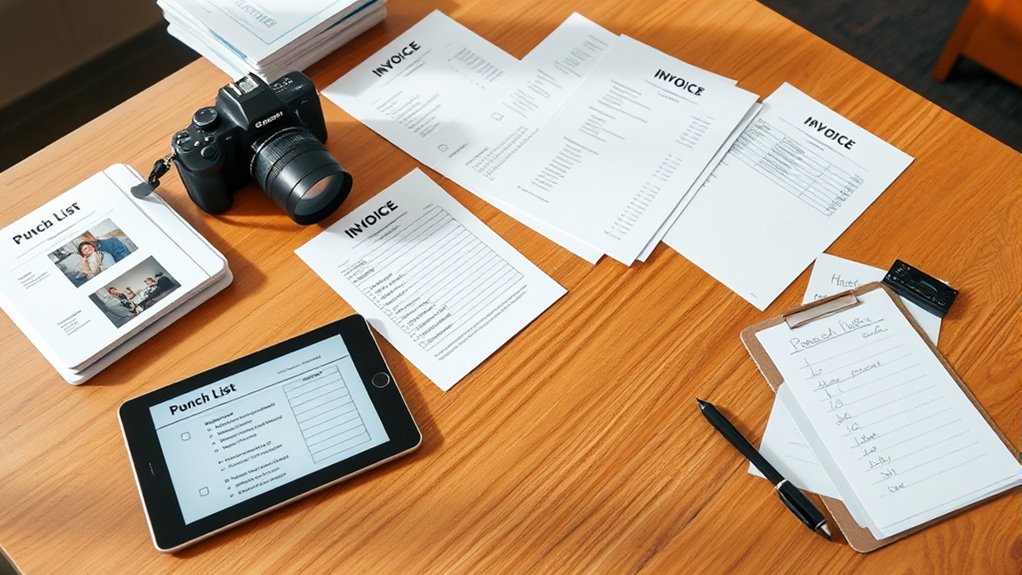
During this closeout phase, you’ll want to compile a detailed punch list. This list should include any incomplete tasks, repairs, or adjustments needed post-event. It acts as a roadmap for your team to ensure nothing gets overlooked. Simultaneously, gather photos taken during the event to document success and identify any areas that may need attention or improvement for future events. Photos serve as visual proof of your work and can be useful for marketing or portfolio updates.
Finally, don’t forget to settle all invoices promptly. Review all bills from vendors and service providers, cross-check against your contracts, and ensure payments are made without delay. Keeping your finances in order strengthens your vendor relationships and maintains your reputation as a reliable organizer. With all these steps—vendor coordination, client feedback, punch lists, photos, and invoices—you’ll set a solid foundation for continuous improvement. A thorough post-event closeout not only wraps up the current event smoothly but also paves the way for even more successful events ahead.
Frequently Asked Questions
How Long Does Post-Event Closeout Typically Take?
Post-event closeout usually takes about one to three weeks, depending on the event timeline and vendor coordination. You’ll want to review punch lists, gather photos, and finalize invoices promptly. Staying organized and communicating clearly with vendors can speed up the process. The more efficient your coordination, the quicker you’ll complete the closeout, ensuring all tasks are checked and the event is officially wrapped up smoothly.
Who Is Responsible for Final Punch List Approval?
The final punch list approval is like the conductor guiding an orchestra, guaranteeing everything’s in harmony. You’re responsible for securing approval from key stakeholders, aligning with contractual obligations. You need clear stakeholder communication to confirm all punch list items are completed satisfactorily. This process ensures everyone’s on the same page before project closeout, preventing misunderstandings and confirming the project’s successful completion.
What Digital Tools Can Streamline Photo Documentation?
You can streamline photo documentation by using drone photography to capture extensive site images quickly and accurately. Upload these photos directly to cloud storage platforms like Dropbox or Google Drive, making access easy for everyone involved. This combination allows you to efficiently document the project, share images instantly, and keep all records organized, ensuring smooth communication and faster punch list approvals during the post-event closeout.
How Are Invoice Discrepancies Resolved Post-Event?
When you face invoice discrepancies after an event, start by reviewing the original contract and matching it with the invoice details. Address any payment disputes promptly by communicating clearly with the client or vendor. If needed, negotiate contractual amendments to resolve misunderstandings or adjust terms. Document all conversations and agreements to guarantee transparency, and resolve discrepancies efficiently to maintain good relationships and keep your project on track.
What Legal Considerations Exist During Closeout Procedures?
They say, “Better safe than sorry,” so during closeout, you must carefully review contractual obligations and liability considerations. Confirm all documentation is complete, and any discrepancies are resolved to avoid future legal issues. You need to verify that all parties meet their contractual commitments, and clearly understand liability limits. Doing so minimizes legal risks and protects you from potential disputes, ensuring a smooth and compliant project closeout process.
Conclusion
As you tie up loose ends with punch lists, photos, and invoices, remember that this closeout stage is the final brushstroke on your masterpiece. It’s the moment where all your effort comes into focus, like the last rays of sunlight illuminating your work. Embrace this phase with confidence, knowing that a thorough closeout guarantees your project’s success shines bright long after the event ends. Finish strong—your masterpiece deserves it.