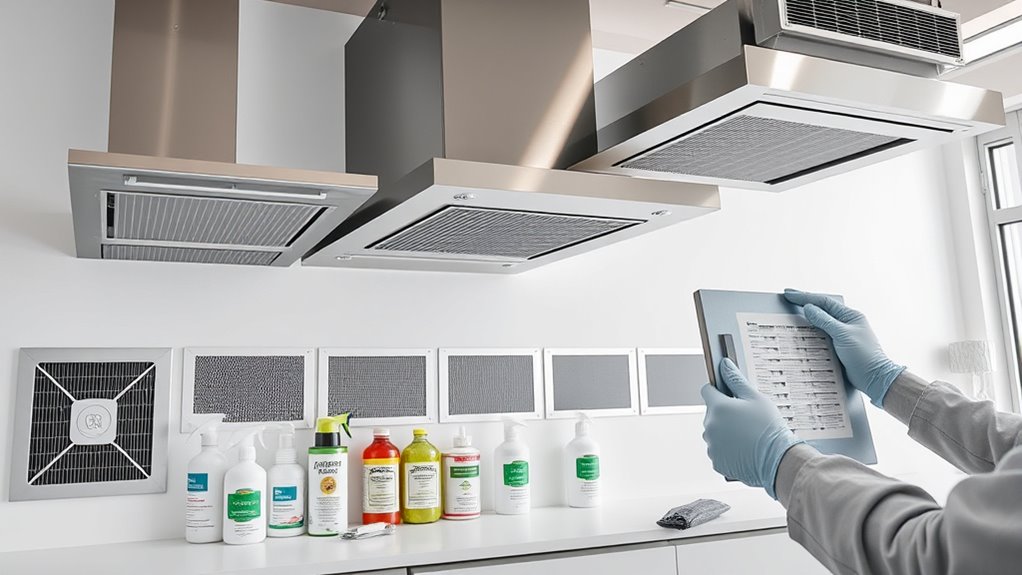

To manage odors effectively, you should focus on a well-designed ventilation system that captures and circulates air, combined with using consumables like odor-neutralizing sprays and absorbents. Developing habits such as regular maintenance, sealing leaks, and promptly cleaning spills help reduce odor sources. These strategies work best when integrated, providing consistent results. Keep exploring to discover how combining these elements can create a fresher, more pleasant environment for everyone.
Key Takeaways
- Implement strategic ventilation systems with high-quality filters like activated carbon and HEPA for effective odor removal.
- Use odor-neutralizing consumables such as sprays and absorbent materials in key areas to supplement filtration.
- Regularly inspect and maintain ventilation equipment to prevent malfunctions and ensure continuous odor control.
- Seal leaks and promptly manage waste and spills to reduce odor emissions at the source.
- Incorporate routine habits and leverage technology like machine learning for optimized system performance and predictive maintenance.
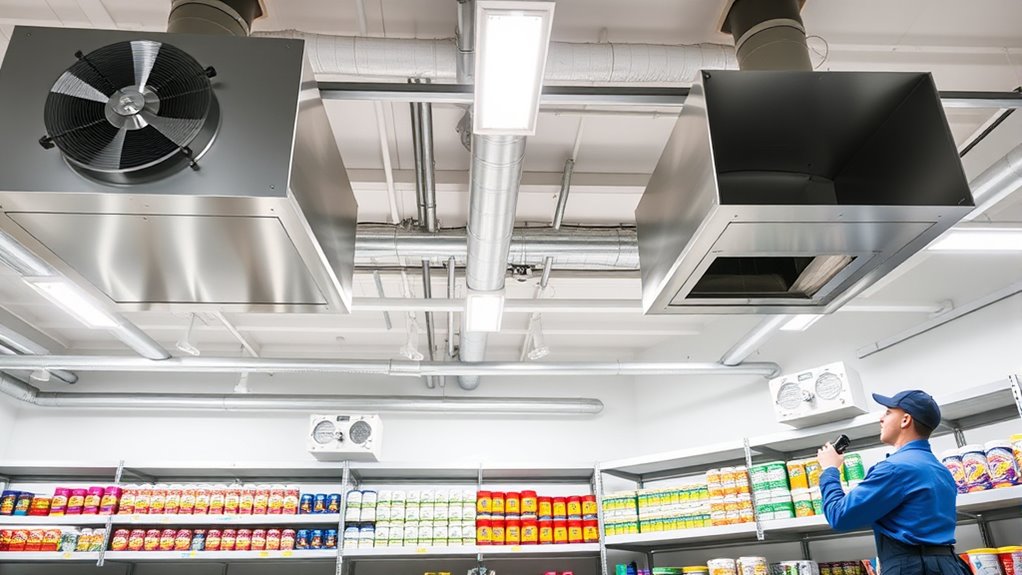
An effective odor control plan is essential for maintaining a clean and pleasant environment, whether in industrial facilities, wastewater treatment plants, or food production sites. Central to this plan is understanding the importance of air filtration and odor neutralization. Air filtration systems are your first line of defense; they work by capturing airborne particles and contaminants that contribute to odors. High-quality filters, such as activated carbon or HEPA filters, can substantially reduce the intensity of unpleasant smells before they spread. Installing these systems strategically ensures that air circulation continually removes odorous molecules, preventing them from accumulating. Proper maintenance of air filtration units is crucial—regularly replacing filters guarantees peak performance and prevents the buildup of contaminants that could compromise air quality.
Odor neutralization goes hand-in-hand with air filtration. While filters trap particles, odor neutralizers chemically react with odor molecules, rendering them less detectable. You can incorporate neutralizing agents like enzyme-based solutions or chemical scrubbers into your ventilation systems to actively treat the air. These neutralizers target specific odors, such as those from waste or chemicals, effectively diminishing their impact. When designing your odor control strategy, consider combining air filtration with odor neutralization techniques for a thorough approach. This dual method ensures that even persistent smells are managed efficiently, creating a more comfortable environment for workers and visitors alike.
Beyond equipment, your habits play a vital role in odor management. Regularly inspecting and maintaining ventilation systems prevents malfunctions that could lead to odor escapes. Simple practices like sealing leaks, controlling source emissions, and minimizing waste buildup contribute to better air quality overall. Encourage staff to adhere to cleaning protocols that reduce odorous residues, such as promptly managing waste and spills. Using odor-neutralizing consumables, like sprays or absorbent materials, can help in localized areas where odors tend to concentrate. Incorporating these habits into daily routines ensures that your odor control plan remains effective and sustainable over time. Additionally, leveraging advancements in machine learning technology can optimize system performance by predicting maintenance needs and adjusting air flow for maximum odor neutralization efficiency.
Frequently Asked Questions
How Often Should Ventilation Systems Be Inspected for Optimal Odor Control?
You should inspect your ventilation systems at least twice a year for ideal odor control. Regular ventilation maintenance ensures filters and ducts are clean and functioning properly, preventing odors from lingering. Depending on your environment and usage, more frequent inspections—quarterly or even monthly—might be necessary. Consistent inspection frequency helps catch issues early, keeping your space fresh and odor-free. Stay proactive to maintain effective odor control through regular ventilation checks.
Are Natural Remedies Effective for Long-Term Odor Management?
Natural remedies like herbal remedies and essential oils can help manage odors temporarily, but they’re not reliable for long-term control. You might notice some improvement initially, but odors tend to return without consistent use and proper ventilation. For lasting results, combine these remedies with good ventilation practices and regular cleaning. Relying solely on herbal remedies and essential oils won’t keep odors at bay in the long run.
What Are the Environmental Impacts of Common Odor Neutralizers?
Oh, the sweet scent of eco-friendly solutions! You might think they’re harmless, but many common odor neutralizers can harm the environment through chemical toxicity, polluting water and air. While they reduce odors temporarily, their long-term impacts include harming wildlife and contributing to pollution. So, if you want to stay eco-conscious, choose natural or biodegradable options—your planet will thank you, and so will your conscience.
How Do Personal Habits Influence Overall Odor Control Effectiveness?
Your personal habits greatly influence odor control effectiveness. By maintaining good personal hygiene, such as regular bathing and proper laundry, you reduce odor-causing bacteria. Being aware of odor and addressing it promptly helps prevent it from spreading. Consistently practicing these habits guarantees a fresher environment, supports ventilation efforts, and minimizes reliance on chemical neutralizers. Your proactive approach makes a significant difference in controlling odors effectively.
Can Odor Control Plans Be Customized for Different Facility Types?
Yes, you can absolutely customize odor control plans for different facility types. By implementing facility-specific solutions, you guarantee that your strategies address unique odor sources and ventilation needs. Tailored odor strategies help maximize effectiveness, whether you manage a restaurant, industrial site, or healthcare facility. This approach allows you to choose appropriate consumables and habits, ensuring ideal odor management that fits your facility’s specific environment and requirements.
Conclusion
By implementing effective ventilation, using quality consumables, and adopting good habits, you can keep odors at bay. Did you know that poor odor control can reduce property value by up to 15%? Imagine your space smelling fresh and inviting, making every visitor feel welcomed. With consistent effort and smart strategies, you’ll create a healthier environment and leave a positive impression. Take control today, and enjoy the benefits of a cleaner, fresher space every day.