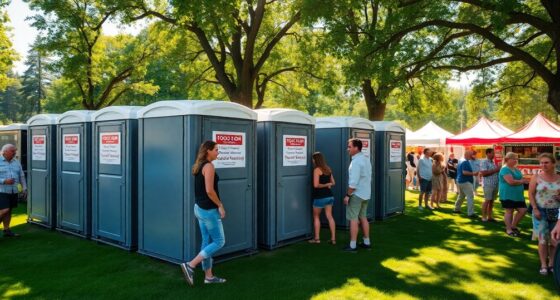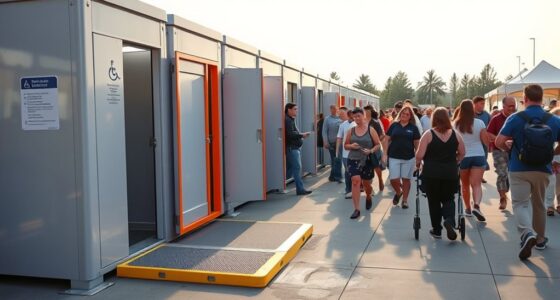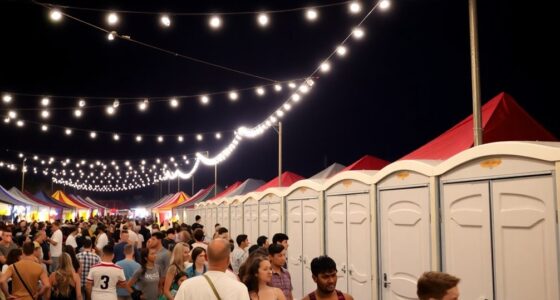

An attendant playbook guides you through your responsibilities at each event stage—opening, mid-event, and closing—to create a welcoming atmosphere, guarantee safety, and leave guests with a positive impression. In the opening, you check equipment and greet visitors warmly. During the event, you stay alert to guest needs and monitor safety. At closing, you secure equipment and thank guests. Keep following along to learn more tips for mastering each phase effectively.
Key Takeaways
- Clearly define opening, mid-event, and closing tasks to ensure smooth shift transitions and consistent service.
- Prioritize guest engagement and safety protocols throughout all phases of the event.
- Conduct equipment checks and prepare safety measures at opening; monitor guest behavior and address hazards mid-event; secure environment during closing.
- Maintain open communication with team members to coordinate efforts and respond effectively to incidents.
- Document interactions and safety concerns to improve future performance and ensure a safe, memorable guest experience.
Have you ever wondered how attendants consistently deliver first-rate service in fast-paced environments? The secret lies in thorough preparation and a clear set of duties tailored to each phase of the event. Opening duties set the tone for the entire shift, where you check your equipment, review safety protocols, and prepare to engage with guests. Your goal is to create a welcoming atmosphere from the moment guests arrive. You greet visitors with a friendly smile, making eye contact and offering assistance. This initial interaction is your chance to establish guest engagement, making everyone feel valued and comfortable. You might also review event details or specific guest needs to personalize your service, guaranteeing you’re ready to handle inquiries or special requests efficiently. Additionally, understanding the importance of guest safety helps you prioritize safety measures from the outset.
As the event progresses, your mid-event duties come into focus. This is where guest engagement truly shines. You actively circulate, staying alert to guest needs, answering questions, and providing timely assistance. Your attentiveness helps guests feel cared for, boosting their overall experience. During this phase, safety protocols become even more critical. You keep an eye out for any potential hazards, ensure that crowd control measures are in place, and address any safety concerns promptly. If emergencies arise, you follow established procedures calmly and decisively, knowing that your preparedness can prevent accidents or further issues. Maintaining open communication with other team members guarantees a coordinated effort to uphold safety standards and deliver seamless service.
Closing duties mark the end of your shift, where attention to detail ensures a smooth transition for the next team or event phase. You clear your work area, secure equipment, and review any notes about guest interactions or safety concerns encountered during the event. It’s important to thank guests for their participation, leaving a positive impression that encourages future engagement. You also double-check that all safety protocols were followed, reporting any incidents or issues to your supervisor for proper documentation and follow-up. This systematic approach to closing duties not only safeguards guests and staff but also helps you reflect on what went well and identify areas for improvement.
Throughout each phase—opening, mid-event, and closing—your focus on guest engagement and adherence to safety protocols is essential. By staying organized, alert, and proactive, you ensure that every guest has a memorable experience while maintaining a safe environment. Your role as an attendant is dynamic, demanding flexibility and vigilance, but with a solid playbook guiding your actions, you can deliver exceptional service in even the busiest settings.
Frequently Asked Questions
How Do Attendants Handle Difficult or Disruptive Guests?
When faced with guest conflict or disruptive behavior, you stay calm and professional. You address the issue promptly, politely asking the guest to respect others and explaining the rules if necessary. If the behavior continues, you escalate the situation to a supervisor. Your goal is to de-escalate tension quickly, ensuring a safe and enjoyable environment for everyone. Staying assertive yet courteous helps maintain control and resolve issues effectively.
What Are the Best Ways to Manage Multiple Tasks Simultaneously?
Juggling event setup and staff coordination feels like conducting a symphony, but you excel by staying organized and prioritizing. Use checklists to track tasks, delegate when possible, and remain flexible. Keep communication clear to prevent confusion. While handling multiple tasks, stay calm, focus on immediate needs, and trust your team. This approach guarantees you manage everything efficiently, creating a smooth event experience for everyone involved.
How Can Attendants Improve Guest Engagement and Satisfaction?
To improve guest engagement and satisfaction, actively listen to guest feedback and respond promptly. Use engagement strategies like personalized interactions, attentive service, and anticipatory gestures to make guests feel valued. Keep a friendly attitude and maintain eye contact to foster genuine connections. Regularly seek feedback during the event, and adapt your approach accordingly. Your attentive and proactive efforts will boost guest satisfaction and create memorable experiences that encourage repeat visits.
What Safety Protocols Should Attendants Follow During Events?
You should follow strict safety protocols by prioritizing guest communication and being prepared for emergency procedures. Always stay alert, clearly communicate safety information, and guarantee guests understand emergency exits and protocols. In case of an emergency, act quickly, follow established procedures, and coordinate with team members. Your proactive approach helps prevent accidents and keeps everyone safe, ensuring a secure environment during the event.
How Do Attendants Adapt Playbooks for Different Event Sizes?
You know what they say, “adaptability is the key to success.” When handling different event sizes, you tailor your playbook by adjusting your approach to the event layout and equipment setup. For smaller events, focus on streamlining tasks and maximizing efficiency. For larger ones, plan for crowd management and additional staffing. Flexibility guarantees you stay prepared, maintaining safety and flow regardless of the event’s scale.
Conclusion
Think of your attendant playbook as the guiding star in your night sky—each phase a different constellation. Opening duties ignite the dawn, mid-event duties shine like the midday sun, and closing duties fade like the evening stars. By mastering each, you become the steady lighthouse, guiding guests safely through every moment. Remember, your role is the beacon that transforms a simple event into a memorable journey—lighting the way with confidence and care.