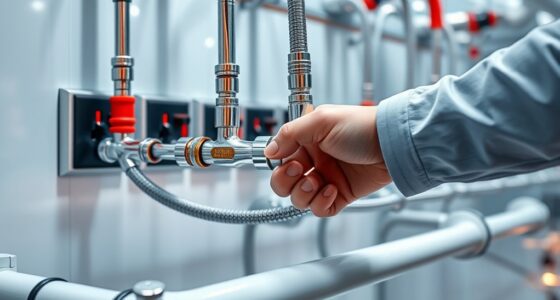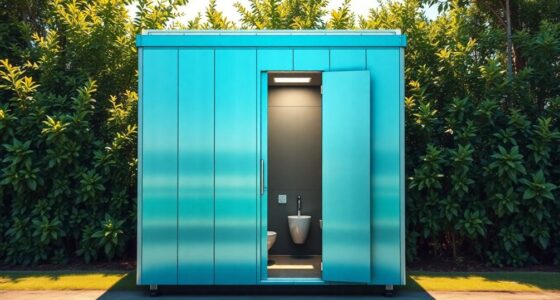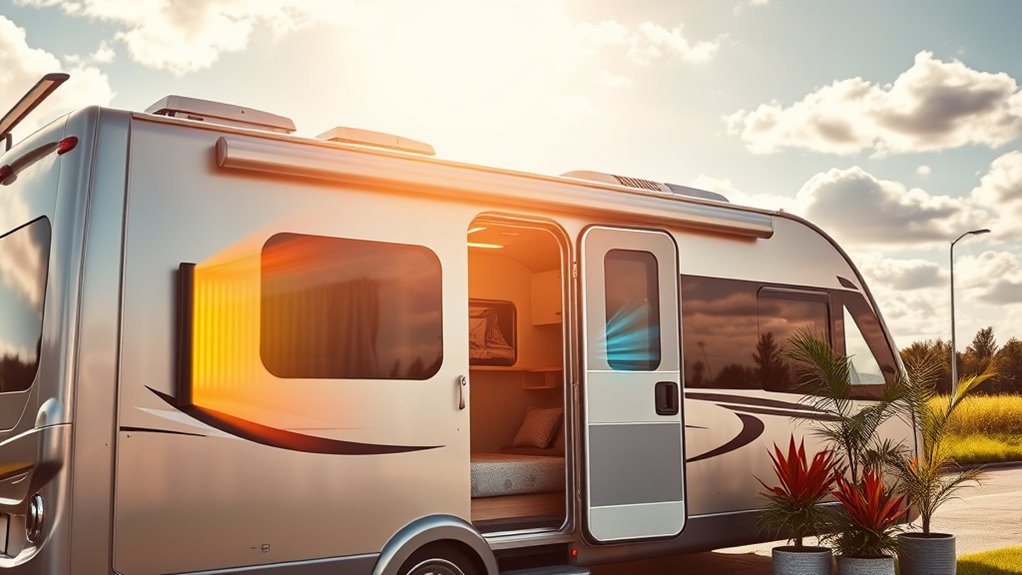

To maintain thermal comfort in your mobile unit, you need effective heating and cooling solutions tailored for variable climates. Proper insulation plays a vital role by reducing heat transfer and maintaining stable temperatures regardless of outside conditions. Choosing high-quality materials and ensuring proper installation help prevent energy waste and guarantee resilience in different environments. By optimizing your insulation and climate control systems, you’ll enjoy comfort in any weather—continue exploring to discover the best strategies for your mobile unit.
Key Takeaways
- Effective insulation materials and proper installation maintain stable indoor temperatures in mobile units.
- Climate-specific solutions, like reflective insulation and ventilation, improve heating and cooling efficiency.
- Controlling humidity levels enhances overall thermal comfort in variable external conditions.
- Adaptive HVAC systems respond quickly to external temperature changes, ensuring consistent comfort.
- Proper design and insulation reduce energy consumption and extend the lifespan of heating and cooling systems.
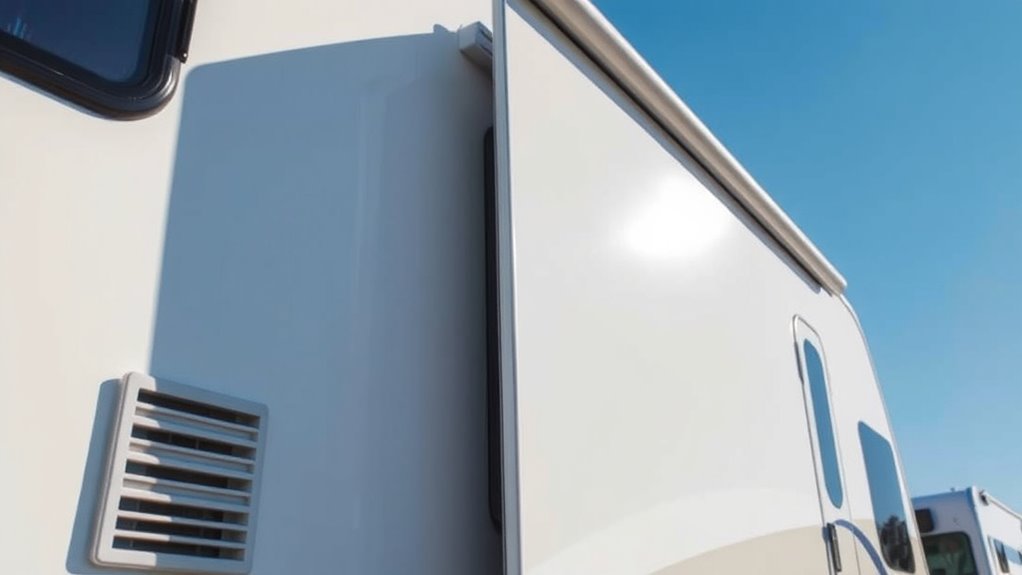
Have you ever wondered why some environments feel just right while others leave you uncomfortable? It all comes down to how well the space manages temperature and humidity — in other words, its thermal comfort. When you’re dealing with mobile units like tiny homes, RVs, or portable offices, achieving that perfect balance becomes a challenge. The key factors influencing this are insulation efficiency and climate adaptability. These elements work together to keep the interior cozy in winter and cool in summer, no matter where you’re parked or traveling.
Insulation efficiency is the cornerstone of thermal comfort in mobile units. Think of insulation as a barrier that slows down heat transfer, keeping warmth inside during cold months and blocking heat from entering during hot days. When insulation is effective, it minimizes energy loss, so your heating and cooling systems don’t have to work overtime. This not only saves you money but also creates a more stable, comfortable environment. High-quality insulation materials, such as spray foam or rigid panels, are designed to enhance insulation efficiency by reducing air leaks and thermal bridging. Proper installation is equally important; even the best materials won’t perform if they’re not installed correctly. When insulation efficiency is maximized, your mobile unit becomes more resilient to external weather fluctuations, ensuring consistent comfort regardless of the climate outside. Additionally, insulation materials play a vital role in achieving these goals.
Climate adaptability is what allows your mobile space to respond effectively to varying weather conditions. It involves selecting the right insulation, ventilation, and HVAC systems that can adjust based on the environment. For instance, in regions with extreme cold, your unit needs insulation that retains heat efficiently, combined with heating systems that can quickly warm the space. Conversely, in hot climates, reflective insulation and high-performance cooling systems come into play to prevent overheating. Climate adaptability also means designing your mobile unit to handle different humidity levels and temperature swings, so you’re never caught off guard. When your space adapts well to the climate, it reduces strain on your heating and cooling systems, prolongs their lifespan, and maintains a comfortable atmosphere at all times.
Frequently Asked Questions
How Does Insulation Affect Thermal Comfort in Mobile Units?
Insulation considerably impacts your thermal comfort in mobile units by reducing heat transfer. Using quality insulation materials and thermal barriers keeps the interior warm during cold weather and cool during hot days. Proper insulation minimizes temperature fluctuations, making your space more comfortable. It also improves energy efficiency by reducing the need for excessive heating or cooling, ensuring a more consistent environment inside your mobile unit year-round.
What Are the Best Portable Heating Options for Mobile Units?
Think of portable heaters as cozy campfires you can carry with you. Space heaters are your best bet—they’re compact, efficient, and easy to move around your mobile unit. Choose models with adjustable thermostats for a warm, tailored embrace. Look for safety features like tip-over protection, and opt for energy-efficient options to keep your comfort high without draining your power supply. With the right portable heater, you’ll feel snug as a bug in a rug.
How Can Solar Energy Be Integrated for Cooling Solutions?
You can integrate solar energy for cooling by installing solar panels on your mobile unit’s roof to power fans or air conditioning units. Additionally, combining solar panels with passive cooling techniques, like reflective surfaces and proper ventilation, enhances efficiency. This approach reduces reliance on grid power, lowers costs, and promotes eco-friendly cooling, ensuring comfort even in remote locations.
What Maintenance Is Required for HVAC Systems in Mobile Units?
Did you know that regular HVAC maintenance can improve efficiency by up to 15%? You should frequently check and replace your HVAC filter to guarantee proper airflow. Additionally, schedule refrigerant recharges as needed to keep your system running smoothly. These simple steps prevent breakdowns, improve cooling performance, and extend your unit’s lifespan, making your mobile unit more comfortable and reliable on the road.
How Do Outdoor Weather Conditions Influence Indoor Climate Control?
Outdoor weather conditions directly impact your indoor climate control. When there’s outdoor shade, it helps reduce heat gain, keeping your mobile unit cooler. Wind resistance is also vital, as strong winds can strain your HVAC system, making it harder to maintain a consistent temperature. You should consider these factors to optimize your indoor comfort, ensuring your heating and cooling systems work efficiently despite changing weather conditions.
Conclusion
Imagine stepping into a mobile unit where the air feels just right—warm enough to cozy up on a chilly day, cool enough to refresh when it’s hot outside. You feel the gentle breeze, the subtle hum of the heating or cooling system, wrapping you in comfort. With proper heating and cooling, every visit becomes a soothing escape, a place where your body relaxes and breathes easy. That’s the beauty of true thermal comfort—always there, always welcoming.