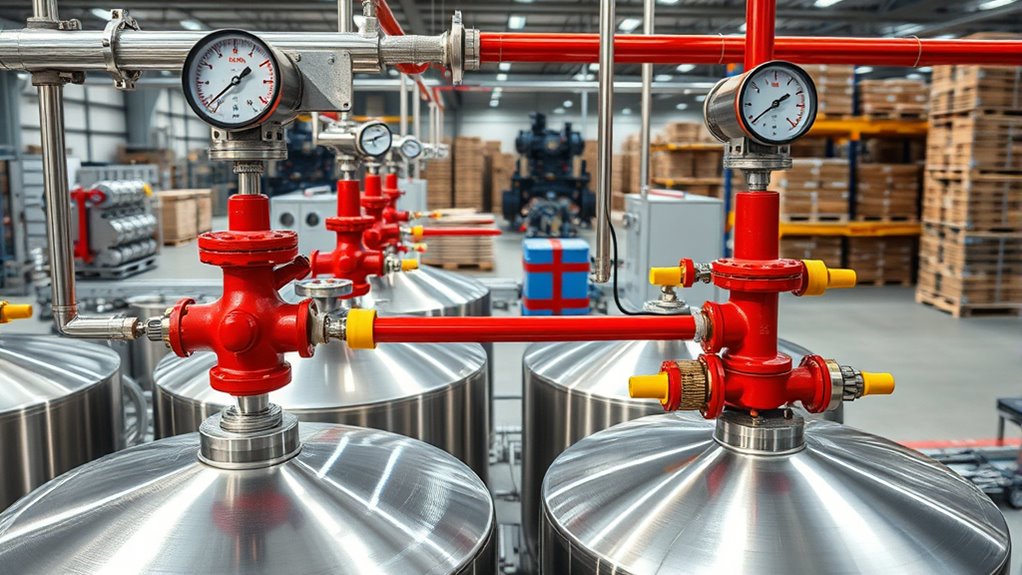

In supply chain management, ensuring the timely availability of tanks, pumps, fixtures, and components hinges on effective inventory control, strong vendor relationships, and managing lead times. By tracking stock levels in real-time, you can prevent shortages and overstocking. Building trust with suppliers helps secure better lead times and reliable deliveries. When you coordinate these elements well, your operations run smoothly and adapt quickly to changing demands. Continue exploring to discover ways to optimize your supply chain even further.

Get pool and patio gear delivered free — and shop member deals
- Fast, free delivery on millions of items
- Access to Prime Big Deal Days deals on October 6–7
- Prime Video, Amazon Music and more included
Key Takeaways
- Effective inventory management ensures timely availability of tanks, pumps, fixtures, and components, preventing shortages and disruptions.
- Strong vendor relationships improve lead times, quality, and delivery reliability of essential supply chain elements.
- Monitoring real-time stock levels helps optimize order quantities and avoid overstocking or stockouts.
- Managing lead times allows proactive planning for critical items, reducing last-minute shortages and rush orders.
- Coordinated supply chain practices maintain operational flow, support demand forecasting, and enhance overall efficiency.

Have you ever wondered how products from your favorite brands make their way to your doorstep? It all starts behind the scenes with a complex web of supply chain activities. One of the most vital aspects is inventory management. You need to guarantee that the right amount of tanks, pumps, fixtures, and other components are available when needed, but not so much that storage costs skyrocket. Effective inventory management involves tracking stock levels in real-time, forecasting demand accurately, and adjusting orders accordingly. When done correctly, it prevents delays, reduces waste, and keeps the production line running smoothly. It’s about balancing supply and demand meticulously, so you don’t face shortages or excess inventory sitting idle.
Effective inventory management ensures smooth operations and timely delivery of essential components.
Vendor relationships play a pivotal role in this process. You rely heavily on your suppliers to deliver quality products on time and within budget. Building strong, transparent relationships with vendors means you can communicate your needs clearly and negotiate better lead times and prices. Good vendor relationships also foster flexibility—if an unexpected issue arises, like a delay in receiving tanks or fixtures, trusted vendors are more likely to prioritize your orders or offer solutions. This collaboration minimizes disruptions and helps you adapt quickly to changing circumstances. Maintaining a steady flow of communication and trust with your vendors ensures your supply chain stays resilient and responsive.
Lead times are another essential element. These are the periods between placing an order and receiving the products. Understanding and managing lead times allows you to plan better, avoiding last-minute shortages or rushed shipments. If you know that certain valves or pumps take several weeks to arrive, you’ll order them well in advance, aligning delivery schedules with production needs. Shorter lead times can be a competitive advantage, but they often require close vendor relationships and efficient inventory management. You might work with vendors who offer faster shipping or keep safety stock of critical items to bridge gaps. The goal is to optimize the entire process so that your projects stay on schedule without unnecessary overstocking.
In essence, managing your inventory and building solid vendor relationships are the backbone of a smooth supply chain. They determine how quickly and efficiently you can respond to demand and unforeseen challenges. By understanding lead times and fostering trust with your suppliers, you gain more control over your supply chain’s flow. This coordination ensures that when it’s time to assemble your tanks, pumps, or fixtures, everything arrives just in time—keeping your operations running seamlessly and your customers satisfied.
industrial tanks for supply chain
As an affiliate, we earn on qualifying purchases.
As an affiliate, we earn on qualifying purchases.
Frequently Asked Questions
How Do Geopolitical Events Affect Supply Chain Lead Times?
Geopolitical events like political instability and trade tariffs can considerably extend your supply chain lead times. When political unrest occurs, shipments get delayed or rerouted, causing uncertainty. Trade tariffs increase costs and may force you to find alternative suppliers or routes, which takes time. These disruptions slow down the delivery of tanks, pumps, and fixtures, making your planning less predictable and potentially delaying your project timelines.
What Are the Most Common Supply Chain Disruptions in Tank Manufacturing?
You might face supply chain disruptions in tank manufacturing due to raw material shortages, transportation delays, or quality issues. Effective inventory management helps you anticipate shortages and maintain production flow. Collaborating closely with your suppliers allows you to address potential delays early, find alternative sources, and guarantee timely delivery. Staying proactive and maintaining strong supplier relationships are key to minimizing disruptions and keeping your manufacturing process on track.
How Do Seasonal Variations Impact Pump Availability?
Seasonal demand considerably impacts pump availability, causing fluctuations in supply. During peak seasons, you might face shortages if inventory management isn’t proactive. To avoid delays, monitor seasonal trends closely and adjust your inventory levels ahead of time. This way, you guarantee pumps are available when needed, reducing downtime and keeping your operations smooth. Proper planning helps you stay ahead of seasonal variations and maintain consistent supply.
What Strategies Optimize Fixture Procurement During High Demand?
To optimize fixture procurement during high demand, you should focus on strong inventory management and proactive supplier collaboration. Maintain safety stock levels to meet unexpected spikes, and communicate regularly with your suppliers to anticipate shortages. By sharing demand forecasts and aligning production schedules, you guarantee timely delivery. This approach helps you stay prepared, reduces delays, and keeps your project on track despite seasonal or market fluctuations.
How Do Supplier Certifications Influence Lead Time Reliability?
You might think supplier certifications slow things down, but they actually boost lead time reliability. Conducting supplier audits ensures they meet certification standards, which verifies quality and consistency. This means fewer delays and surprises, giving you confidence in delivery schedules. Certifying suppliers also fosters accountability, helping you build stronger relationships and streamline procurement. So, investing in certifications and audits ultimately maintains your fixture procurement on track, even during high demand periods.
Conclusion
Now that you’ve navigated the intricate maze of tanks, pumps, fixtures, and lead times, you’re armed with the map to master your supply chain. Think of it as tending a delicate garden—each component is a seed that, with care and timing, blooms into a thriving system. Keep your eye on the horizon, adapt to the shifting winds, and watch your supply chain flourish like a well-tuned symphony. The future’s in your hands—make it resonate.
Fall Picks
fall essentials
As an affiliate, we earn on qualifying purchases.