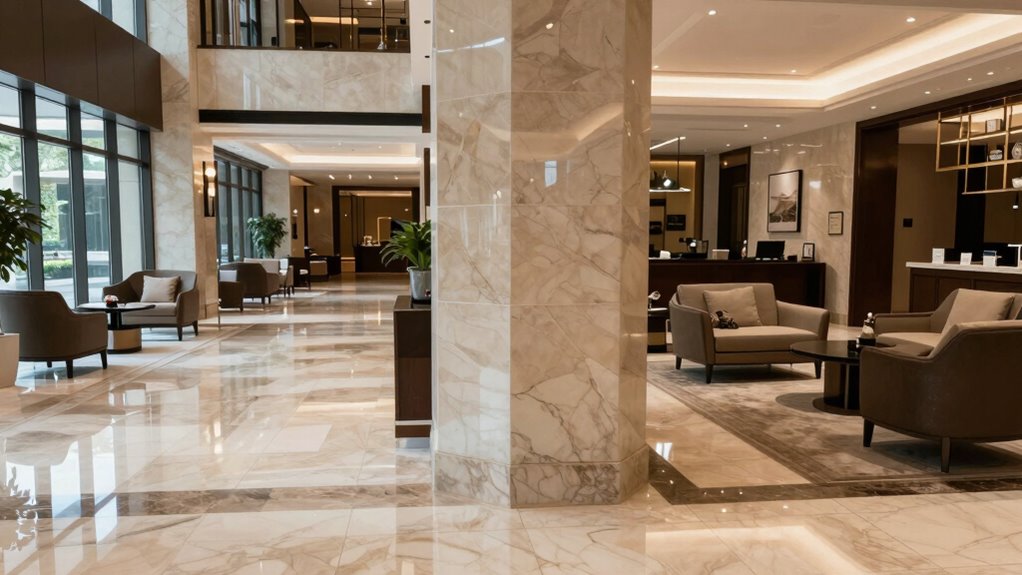

Understanding the difference between deep cleaning and turnover cleaning helps you set clear standards for your space. Deep cleaning involves detailed work like carpet and vent sanitation, ensuring thorough hygiene. Turnover cleaning is quicker, focusing on making beds, wiping surfaces, and prepping for new guests or occupants. Knowing these differences allows you to prioritize tasks effectively. Keep exploring, and you’ll discover how to implement these standards for ideal results.
Key Takeaways
- Clearly define the scope and purpose of each cleaning standard—deep cleaning for thorough sanitation, turnover cleaning for quick readiness.
- Focus on specific tasks and areas prioritized in each standard, like carpets and vents for deep cleaning, surfaces and beds for turnover.
- Train staff on distinct protocols, emphasizing eco-friendly products and proper techniques for consistent results.
- Balance attention to detail with efficiency, ensuring high-quality cleaning without delays, especially during turnover.
- Establish measurable standards to maintain quality, support sustainability, and ensure safe, healthy environments.
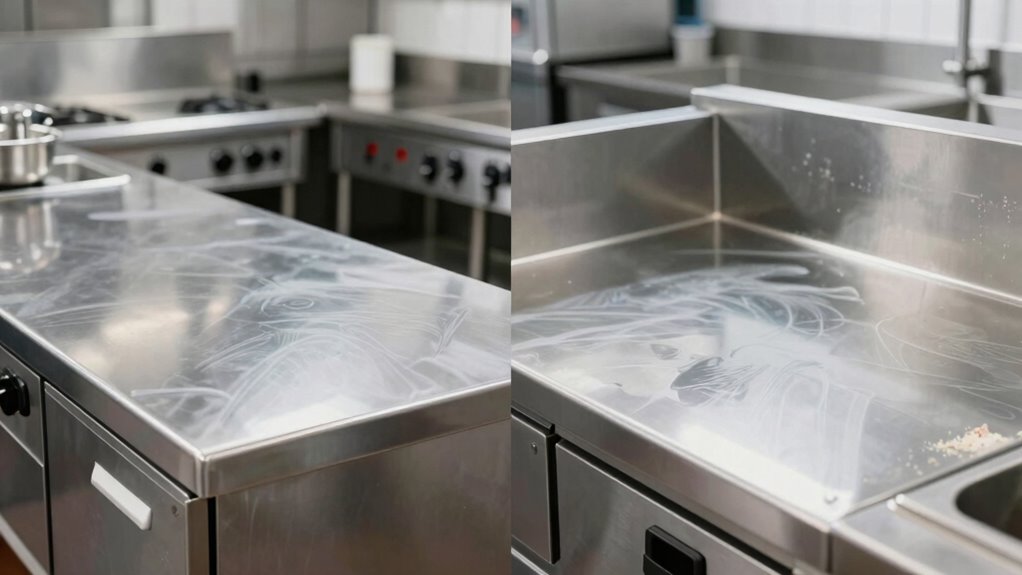
When it comes to maintaining a spotless and healthy environment, understanding the difference between deep clean and turnover clean is essential. These two standards serve distinct purposes and require different approaches, especially when you’re aiming for sustainability and efficiency. Deep cleaning goes beyond surface tidying; it involves thorough removal of dirt, grime, and bacteria from hard-to-reach areas. It’s a detailed process that often includes detailed attention to carpets, upholstery, vents, and behind appliances. To ensure safety and proper functionality, incorporating ventilation considerations during cleaning is also important, particularly in enclosed spaces. Turnover cleaning, on the other hand, is typically quicker and focused on preparing a space for new occupants or guests. It’s about ensuring the essentials are spotless—making beds, wiping down surfaces, and sanitizing high-touch areas—so the space is ready for immediate use.
Deep cleaning removes dirt and bacteria from hard-to-reach areas, while turnover cleaning prepares spaces quickly for new occupants.
To execute these standards effectively, establishing clear staff training protocols is crucial. Your team needs to understand the specific tasks associated with each type of cleaning and the importance of consistency. Training should emphasize the use of eco friendly cleaning products, which are essential for reducing environmental impact and ensuring the safety of occupants or guests. When your staff are well-trained in eco friendly cleaning practices, they not only deliver a cleaner environment but also support your sustainability goals. Proper protocols help your team use the right amount of cleaning agents, avoid harmful chemicals, and adopt environmentally responsible methods without sacrificing cleanliness. This training should be ongoing, incorporating updates on new eco friendly products and techniques, and include hands-on demonstrations to build confidence and competence.
Moreover, staff training protocols should highlight the importance of detail-oriented work during deep cleans. This might mean emphasizing the use of microfiber cloths for dusting or instructing staff on the proper disinfection techniques for high-touch surfaces. For turnover cleans, protocols should stress efficiency without compromising hygiene. Your team should learn how to prioritize tasks, streamline their process, and focus on high-traffic areas to maximize turnaround speed. Regular assessments and feedback sessions ensure everyone stays aligned with your standards and understands the importance of their role.
In essence, defining clear standards for deep and turnover cleaning, coupled with detailed staff training protocols, empowers your team to deliver consistent, high-quality results. Incorporating eco friendly cleaning practices not only benefits the environment but also enhances your reputation as a responsible operator. When your staff understands the specific requirements of each cleaning type and is equipped with the right knowledge and tools, maintaining a healthy, pristine environment becomes a seamless part of your operation.
Frequently Asked Questions
How Often Should Deep Cleaning Be Performed in Commercial Spaces?
You should perform a deep cleaning in your commercial space at least every three to six months, depending on foot traffic and usage. Regular cleaning frequency helps maintain a healthy environment and prolongs the lifespan of surfaces. Incorporate this into your maintenance scheduling to guarantee consistency. High-traffic areas may require more frequent deep cleans, while less busy spaces can go longer between sessions. Stay proactive to keep your space spotless and safe.
What Cleaning Products Are Best for Turnover Cleaning?
For turnover cleaning, you want eco-friendly solutions that are effective disinfectants and safe for everyone. Use biodegradable all-purpose cleaners, natural disinfectants like vinegar or tea tree oil, and sanitizer sprays with proven antimicrobial properties. These products guarantee disinfectant effectiveness without harsh chemicals, helping you maintain a clean, healthy environment while minimizing environmental impact. Always check labels for EPA-approved disinfectants to guarantee reliable germ control during each turnover.
Are There Industry Standards for Each Cleaning Type?
Yes, there are industry standards for each cleaning type. You should follow established benchmarks like cleaning certification programs, which specify the scope and quality expected for deep and turnover cleans. These standards help guarantee consistency, safety, and efficiency. By adhering to industry benchmarks, you make sure your cleaning meets professional expectations and regulatory requirements, ultimately providing a higher level of service and customer satisfaction.
How Do Costs Compare Between Deep Cleaning and Turnover Cleaning?
Think of it as a battle between a thorough spa day and quick touch-ups. Deep cleaning costs are generally higher due to extensive labor and materials, making them pricier in cleaning expenses. Turnover cleaning, like a swift refresh, is more budget-friendly with lower costs per visit. When comparing, consider your budget and needs—deep cleans boost long-term value, while turnover cleans keep things fresh without breaking the bank.
Can a Single Cleaning Service Handle Both Standards Effectively?
Yes, a single cleaning service can handle both standards effectively if you prioritize proper cleaning frequency and staff training. Regularly scheduled cleanings guarantee consistency, while specialized staff training equips the team to perform both deep and turnover cleans efficiently. By clearly defining expectations and providing ongoing education, you guarantee your cleaning service adapts to your needs, maintaining high standards regardless of the specific cleaning type required.
Conclusion
Now that you understand the differences between deep clean and turnover clean, you can decide which standard best suits your needs. Both play vital roles in maintaining a pristine space, but knowing when to use each can save you time and effort. Are you ready to define clear cleaning standards that keep your property spotless and appealing? By setting these expectations, you’ll guarantee every clean meets your highest standards and leaves a lasting impression.