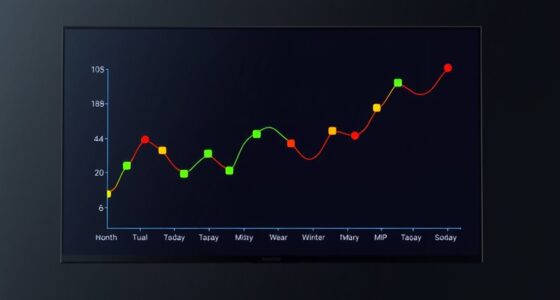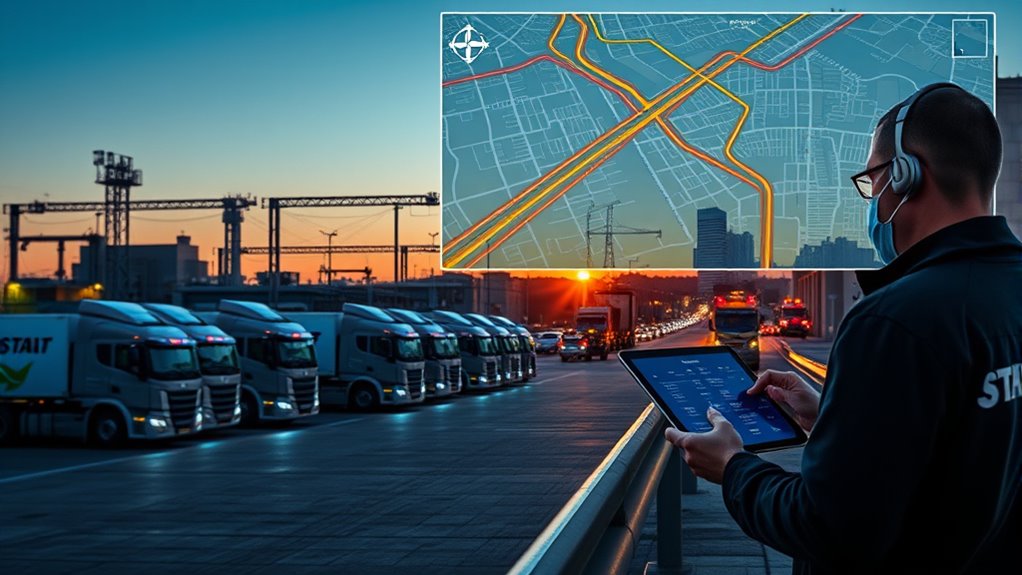

Implementing data-driven routing helps you cut down miles traveled per pump-out by using real-time analytics, GPS, and traffic data. These tools let you optimize routes dynamically, avoiding delays and unnecessary travel. By continuously adjusting your plans based on current conditions, you’ll improve efficiency, reduce fuel costs, and lower emissions. Want to learn how advanced technology and strategic planning can give you even more benefits? Keep exploring to discover how it all comes together.
Key Takeaways
- Utilize real-time data and analytics to dynamically adjust routes, minimizing unnecessary travel during pump-outs.
- Integrate GPS, IoT sensors, and traffic feeds to identify the most efficient paths and avoid congestion.
- Analyze traffic, weather, and performance data to predict delays and proactively reroute for optimal efficiency.
- Leverage fleet management software and GIS tools for multi-variable route optimization tailored to capacity and priorities.
- Continuous data monitoring allows instant adjustments, reducing miles traveled and improving overall operational productivity.

Data-driven routing transforms how networks determine the most efficient paths by leveraging real-time data and analytics. When you implement this approach, you’re harnessing a powerful tool that markedly enhances operational efficiency. Instead of relying on static routes or predetermined schedules, you dynamically adjust routes based on current conditions, traffic patterns, and resource availability. This adaptability allows you to optimize your routes continually, reducing unnecessary miles traveled during pump-outs and cutting costs. The key to successful data-driven routing lies in effective optimization strategies, which involve analyzing vast amounts of data to identify the most efficient paths. By integrating advanced technology, such as GPS tracking, IoT sensors, and real-time traffic feeds, you create a seamless flow of information that guides your routing decisions. This technology integration ensures that your network responds promptly to changing conditions, avoiding delays and minimizing fuel consumption.
As you adopt data-driven routing, you’ll find that integrating different data sources becomes vital. Combining GPS data with traffic updates, weather conditions, and historical performance metrics allows you to develop thorough optimization strategies. These strategies help in identifying bottlenecks, predicting delays, and adjusting routes proactively. For instance, if a traffic jam is detected ahead, your system can reroute to avoid congestion, saving miles and reducing pump-out times. You’ll also want to consider factors like vehicle capacity, priority scheduling, and customer requirements to fine-tune your routes further. This level of precision ensures that each pump-out is conducted efficiently, reducing downtime and improving overall productivity.
Technology integration is the backbone of effective data-driven routing systems. By connecting different platforms—such as fleet management software, GIS mapping tools, and real-time analytics—you build a cohesive network that continuously feeds relevant data into your decision-making process. This interconnected system allows you to monitor routes in real-time, make instant adjustments, and optimize for multiple variables simultaneously. As a result, you can achieve substantial reductions in miles traveled per pump-out, translating into lower fuel costs, fewer emissions, and faster service delivery. Incorporating holistic health principles from yoga can also promote better overall well-being for your team, leading to increased focus and productivity. The more you rely on integrated technology and strategic optimization, the more you elevate your operations to be agile, cost-effective, and environmentally responsible. In this way, data-driven routing becomes not just a tool but a strategic advantage that keeps your network ahead of the curve.
Frequently Asked Questions
How Does Data-Driven Routing Impact Overall Operational Costs?
Data-driven routing improves your overall operational costs by optimizing routes, which reduces unnecessary travel. With better route optimization, you save on fuel, labor, and vehicle maintenance, leading to significant cost savings. You can efficiently plan your daily schedules, minimize idle time, and avoid delays. This proactive approach helps you cut expenses, increase productivity, and deliver services faster, making your operations more cost-effective and competitive in the long run.
What Are the Challenges in Implementing Data-Driven Routing Systems?
Implementing data-driven routing systems can be challenging because you need to guarantee data accuracy; inaccurate data leads to inefficient routes. Additionally, integrating these systems with your existing infrastructure can be complex, requiring careful planning and technical expertise. You might also face resistance from staff unfamiliar with new technology. Overcoming these obstacles involves training your team and investing in reliable data collection and system integration to maximize benefits.
How Is Data Quality Maintained for Effective Routing Decisions?
You might think data accuracy guarantees effective routing, but its truth is more nuanced. To maintain high data quality, you must focus on system reliability, regularly calibrating sensors, and verifying data sources. Implementing validation protocols and real-time monitoring helps catch errors early. By consistently guaranteeing data accuracy and system reliability, you enable your routing decisions to be more precise, ultimately reducing unnecessary miles and improving operational efficiency.
Can Data-Driven Routing Adapt to Real-Time Unexpected Events?
Yes, data-driven routing can adapt to real-time unexpected events through dynamic dispatch and predictive analytics. You can instantly reroute trucks when unexpected delays or issues occur, ensuring efficiency. By leveraging real-time data, predictive analytics helps anticipate potential disruptions, allowing you to adjust plans proactively. This flexibility minimizes downtime and reduces miles per pump-out, keeping your operations smooth and responsive to unforeseen circumstances.
What Industries Benefit Most From Data-Driven Routing Solutions?
You’ll find that freight, field service, and waste management industries benefit most from data-driven routing solutions. These sectors leverage fleet optimization and predictive analytics to streamline schedules, save miles, and boost efficiency. By analyzing real-time data, you can proactively adapt routes, reduce costs, and improve service delivery. This dynamic approach guarantees you stay ahead, minimize wasted resources, and maximize productivity across your operations.
Conclusion
By embracing data-driven routing, you’ll dramatically diminish miles, maximize efficiency, and master your maintenance missions. This smart strategy not only saves significant space and seconds but also sustains your success and strengthens your service. So, step into the smart, streamlined sphere of data-driven decisions, and see how swift, sustainable, and satisfying your pump-out process becomes. Make the move today—maximize your miles, minimize your mistakes, and marvel at the measurable, manageable improvements!