Many homeowners overlook small habits like leaving lights on or running appliances inefficiently, which quietly raise utility bills. Outdated appliances consume more energy and water, boosting costs over time. Fixing leaks, installing low-flow fixtures, and upgrading insulation can make a big difference. Turning off unused devices and unplugging chargers also help reduce hidden expenses. Stay tuned to discover more simple changes that can save you money and improve efficiency in your home.
Key Takeaways
- Small daily habits, like fixing leaks and running full loads, can significantly reduce long-term water and energy costs.
- Upgrading to energy-efficient appliances decreases utility expenses and minimizes hidden long-term costs.
- Poor insulation and drafts cause higher heating and cooling bills, often overlooked in routine maintenance.
- Unplugging unused devices and using timers prevent phantom energy drain, lowering electricity bills.
- Regular home efficiency audits identify hidden costs related to outdated systems and insulation issues.
Many homeowners focus on their monthly utility bills but often overlook hidden costs that can add up over time. While paying attention to your electricity and water bills is essential, there are other factors influencing your overall utility expenses that you might not be aware of. For example, the way you use energy and water daily can considerably impact your long-term costs. Small adjustments, like investing in energy efficient appliances, can lead to substantial savings over the years. These appliances consume less electricity, reducing your energy bills without sacrificing performance. Upgrading your refrigerator, dishwasher, or HVAC system to energy-efficient models is a smart move that pays off in the long run. Additionally, you can incorporate water saving tips into your routine to cut down on water consumption and lower your water bills. Simple actions like fixing leaks, installing low-flow showerheads, and running full loads in your dishwasher or washing machine can make a big difference. Many leaks go unnoticed for months, quietly wasting water and increasing your costs. Regularly checking for drips and addressing plumbing issues promptly can prevent this unnecessary expense. Understanding energy efficiency and how it impacts your utility costs can help you make better choices for your home.
Beyond these practical steps, you should also be aware of the hidden costs associated with outdated appliances or inefficient systems. Old appliances tend to use more energy and water, which means you’re paying more for utilities that could be minimized with newer technology. Even something as basic as leaving lights on when they’re not needed adds to your overall utility expenses. Implementing habits like turning off lights, unplugging devices when not in use, and using timers or smart power strips can prevent phantom energy drain. These small behavioral changes complement the use of energy efficient appliances and water-saving tips, creating a thorough approach to managing your utility costs.
Another often-overlooked expense is the inefficiency caused by poor insulation or drafty windows, which can make your heating and cooling systems work harder than necessary. Improving home insulation or sealing leaks can lower your energy consumption dramatically. Considering energy audits might reveal areas where you lose heat or cool air, helping you target improvements that will pay off in lower utility bills. By paying attention to these less obvious factors, you can make smarter decisions that keep your utility costs in check. Ultimately, combining the use of energy efficient appliances, water saving tips, and home efficiency upgrades allows you to take control of your utility expenses, saving money in the long run while reducing your environmental impact.
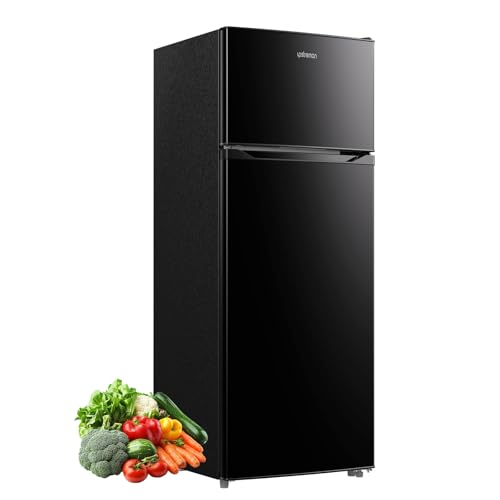
Upstreman 7.7 Cu.Ft. Refrigerator with Freezer, Double Door Fridge, Adjustable Thermostat, Large Capacity, Reversible Door Swing, Refrigerator for Apartment, Office, Dorm, Black(BD75)
- Large Capacity in Compact Size: 7.7 cu. ft. with spacious freezer and fridge
- Adjustable Temperature Settings: Five levels for fridge and freezer
- Quiet and Energy Efficient: Operates at 39dB, $0.12/day cost
As an affiliate, we earn on qualifying purchases.
As an affiliate, we earn on qualifying purchases.
Frequently Asked Questions
How Can I Reduce My Standby Power Consumption?
To reduce your standby power consumption, unplug appliances when you’re not using them or use power strips to turn off multiple devices easily. Enable power-saving modes on electronics and avoid leaving devices on standby unnecessarily. You can also invest in smart plugs with timers or energy monitors. These power-saving tips help cut down on appliance standby energy drain, saving you money and reducing your overall utility costs.
Are There Hidden Fees in My Utility Bills?
Yes, your utility bills may have hidden fees like billing surprises or rate fluctuations that catch you off guard. You might not notice extra charges for late payments, service fees, or seasonal rate changes. To avoid surprises, review your bills carefully each month, ask your provider about possible additional costs, and stay informed about rate fluctuations in your area. This way, you can manage your expenses better and prevent unexpected charges.
How Often Should I Review My Utility Rates?
You should review your utility rates at least once every billing cycle to stay on top of potential rate fluctuations. Regularly checking your bills helps you identify any unusual charges or rate changes that could impact your costs. By staying proactive, you can compare rates, spot errors, and consider switching providers if better options are available, ensuring you’re always paying the most competitive prices.
What Government Programs Assist With Utility Costs?
Imagine a hand reaching out to steady your boat in rough waters—that’s what government programs like energy assistance and grants do for your utility bills. You can qualify for programs such as LIHEAP or state-specific aid, which help cover heating, cooling, and water costs. These resources are designed to lift the financial burden, ensuring your home stays comfortable without draining your wallet. Check eligibility and apply to secure this essential support.
How Does Seasonal Usage Impact My Bills?
Seasonal fluctuations considerably impact your utility bills because your usage patterns change throughout the year. During colder months, you might use more heating, increasing your power and water costs. Conversely, in warmer months, air conditioning or outdoor activities can also raise consumption. Being aware of these seasonal variations helps you better anticipate your bills and adjust your usage habits accordingly, saving you money during peak times.
Conclusion
Remember, the devil’s in the details when it comes to utility costs. By staying aware of hidden charges and monitoring your usage, you can save money and avoid surprises. Don’t let small leaks or inefficient habits drain your wallet—sometimes, what you overlook today can cost you tomorrow. As the saying goes, “A penny saved is a penny earned.” Stay vigilant, and keep your utility bills in check.