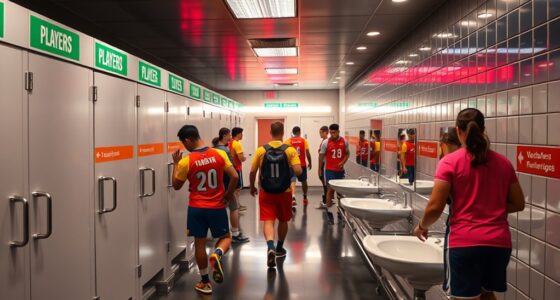
When planning locker-room-adjacent restrooms for sporting tournaments, you need to prioritize quick access for athletes, officials, and staff. Position the facilities near high-traffic areas to reduce travel time and prevent congestion. Make certain they are well-maintained, clean, and accessible for everyone. Good signage and clear pathways help users find restrooms easily. Careful layout and attention to detail create a seamless experience; exploring this further reveals how to optimize your entire venue.
Key Takeaways
- Place restrooms near locker rooms for quick athlete and official access, minimizing disruption and travel time.
- Ensure facilities are well-maintained, clean, and equipped with sufficient supplies to handle high demand.
- Incorporate accessible restrooms close to locker areas to accommodate all mobility needs.
- Use clear signage and pathways for efficient restroom navigation from locker rooms to other venue areas.
- Strategically position restrooms to support crowd flow, reduce congestion, and enhance overall event experience.
Have you ever wondered how organizers guarantee visitors stay comfortable during large sporting tournaments? It all comes down to meticulous planning, especially when it involves restroom accessibility. When thousands of fans flood a venue, no one wants to spend precious game time waiting in long lines or wandering aimlessly for facilities. Ensuring restrooms are conveniently located near locker rooms and main spectator areas considerably enhances the fan experience, making it more enjoyable and stress-free. Adequate placement means fans can quickly access facilities during breaks or halftime, reducing frustration and keeping the energy high.
The key is understanding the flow of the crowd. Restrooms should be strategically positioned so they’re easily reachable from high-traffic zones, including entry points, seating areas, and especially locker-room-adjacent spaces. When restrooms are close to locker rooms, it benefits not just spectators but also athletes and officials, who often need quick access during halftime or between events. This proximity minimizes disruptions and helps maintain the smooth running of the tournament.
Good restroom accessibility also involves considering the needs of all visitors. Incorporating enough facilities to prevent overcrowding is essential. During major tournaments, a surge in demand can lead to long waits, which hampers the overall fan experience. To prevent this, organizers often include a mix of standard and accessible restrooms, ensuring everyone, regardless of mobility or specific needs, can find a suitable facility nearby. Clear signage is equally important—fans shouldn’t have to hunt for the nearest restroom or guess whether it’s accessible. Properly marked pathways and maps help visitors navigate quickly, giving them more time to enjoy the game.
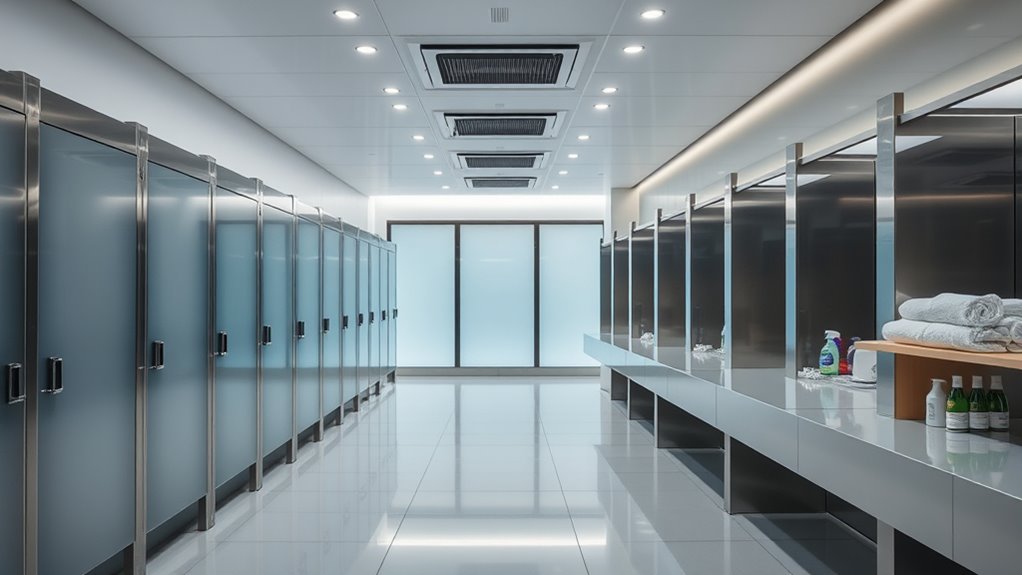
Furthermore, the quality and cleanliness of these restrooms play a vital role in elevating the fan experience. Well-maintained facilities with sufficient supplies, good lighting, and ventilation foster a sense of comfort and safety. When fans see that their needs are prioritized, they’re more likely to focus on enjoying the event rather than worrying about restroom issues. Incorporating vertical storage solutions in restroom areas can also optimize space and maintain cleanliness efficiently.
In essence, thoughtful restroom planning isn’t just about convenience; it’s about creating a seamless experience that keeps fans comfortable and engaged. Restroom accessibility near locker rooms and throughout the venue isn’t an afterthought—it’s a core component of successful sporting tournament logistics. When every detail is accounted for, you’ll notice the difference in the overall atmosphere, making your event memorable for all the right reasons.
portable restroom signage for sporting events
As an affiliate, we earn on qualifying purchases.
As an affiliate, we earn on qualifying purchases.
Frequently Asked Questions
How Do Restroom Layouts Impact Athlete Performance?
Your restroom layout directly impacts athlete performance by influencing locker room hygiene and restroom capacity planning. A well-designed layout guarantees quick access, reducing wait times and stress, while adequate capacity prevents overcrowding. This promotes cleanliness, comfort, and focus, helping athletes recover and prepare efficiently. When you optimize these aspects, you create an environment that supports peak performance, ensuring athletes stay hygienic, relaxed, and ready to compete at their best.
What Cultural Considerations Influence Restroom Design Choices?
You should consider cultural sensitivities and gender norms when designing restrooms, as these influence how athletes feel comfortable and respected. For example, in some cultures, gender-specific facilities are essential, while others prefer gender-neutral options. Being aware of these differences guarantees your restroom design is inclusive, promotes safety, and respects diverse backgrounds. This approach helps athletes perform at their best without discomfort or cultural conflict.
How Is Restroom Accessibility Managed for Disabled Spectators?
Imagine you’re in a stadium where accessible design is top priority. You’ll find well-marked signage clarity guiding disabled spectators to restrooms with ramps, wider stalls, and grab bars. You actively manage restroom accessibility by ensuring compliance with ADA standards and providing clear, visible signs. This way, everyone, regardless of ability, can comfortably access facilities, making the experience inclusive—just like the legendary Apollo 11 mission, where every detail mattered.
What Are the Maintenance Protocols During Ongoing Tournaments?
During ongoing tournaments, you should follow strict maintenance protocols. You’ll implement cleaning schedules that guarantee restrooms stay hygienic, with frequent sanitation stations available for quick disinfecting. Regular checks help you address any issues promptly, maintaining cleanliness and safety for all spectators. By actively managing these protocols, you ensure restrooms remain accessible, hygienic, and ready for use throughout the event, providing a positive experience for everyone attending.
How Do Restroom Facilities Affect Overall Event Safety Protocols?
Restroom facilities considerably impact your event’s safety protocols, especially through effective crowd flow management. Proper placement of concession stands near restrooms helps reduce congestion and prevent bottlenecks, ensuring smooth movement. This minimizes the risk of accidents or injuries during peak times. You should regularly monitor restroom conditions and adjust placement as needed, creating a safer environment that keeps attendees comfortable and reduces potential hazards throughout the tournament.

Zolyndo Handicap-Accessible Portable Restroom for Disabled, Outdoor Mobile Toilet for Concerts, Conventions, Construction, Sporting Events
Accessible Design: This portable restroom features tool-free removable arms for easy maneuverability and enhanced flexibility, making it fully…
As an affiliate, we earn on qualifying purchases.
As an affiliate, we earn on qualifying purchases.
Conclusion
Ultimately, thoughtful restroom planning in sporting tournaments guarantees a seamless experience for all. When you pay attention to these behind-the-scenes details, you’re creating an environment where comfort quietly supports the excitement. By considering these subtle aspects, you help foster a welcoming atmosphere that keeps the focus on the game. Remember, sometimes the most unassuming elements—like well-placed restrooms—whisper of your commitment to excellence and guest satisfaction.
restroom space planning for sports tournaments
As an affiliate, we earn on qualifying purchases.
As an affiliate, we earn on qualifying purchases.

Kohree Camping Toilet Portable 5.3 Gal: 20L Porta Potty for Adults with Diagonal Elongated Bowl Seat – Handle Flush Pump Leak-Proof Cassette Toilet for RV Trailer Trucker Boat Marine Home Use
COMFORT MEETS FAMILIARITY: Kohree portable toilet for camping features an upgraded ergonomic diagonal seat design with an extended…
As an affiliate, we earn on qualifying purchases.
As an affiliate, we earn on qualifying purchases.