TL;DR

Get pool and patio gear delivered free — and shop member deals
- Fast, free delivery on millions of items
- Access to Prime Big Deal Days deals on October 6–7
- Prime Video, Amazon Music and more included
A Country Living gardening report recommends three preparations before planting a fall garden: remove dead annuals and roots, loosen the soil, and work in compost. It advises against pruning in fall, citing University of Illinois Extension horticulture educator Nancy Kuhajda, who says new growth could be damaged by a cold snap.
Country Living’s fall gardening guide recommends clearing out dead annuals and roots, loosening garden soil, and adding compost before planting, while advising gardeners to skip fall pruning. The report quotes Nancy Kuhajda, a horticulture educator for University of Illinois Extension, who warns that pruning can prompt growth vulnerable to a later cold snap.
The first suggested task is to remove dead or faded annuals, including their roots, to make room for new plantings. The report says gardeners may trim back perennials if needed, but should decide whether to leave seedheads. Those seedheads and berries can provide winter food for birds and other wildlife, Kuhajda says; removing them may make sense for gardeners seeking to limit self-seeding.
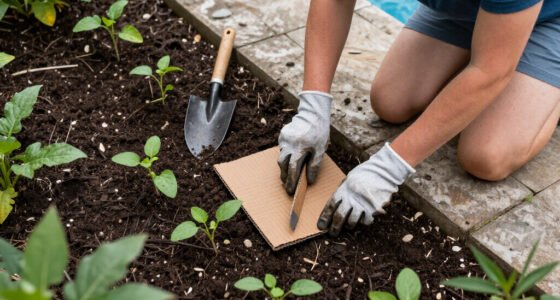
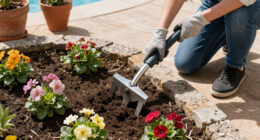
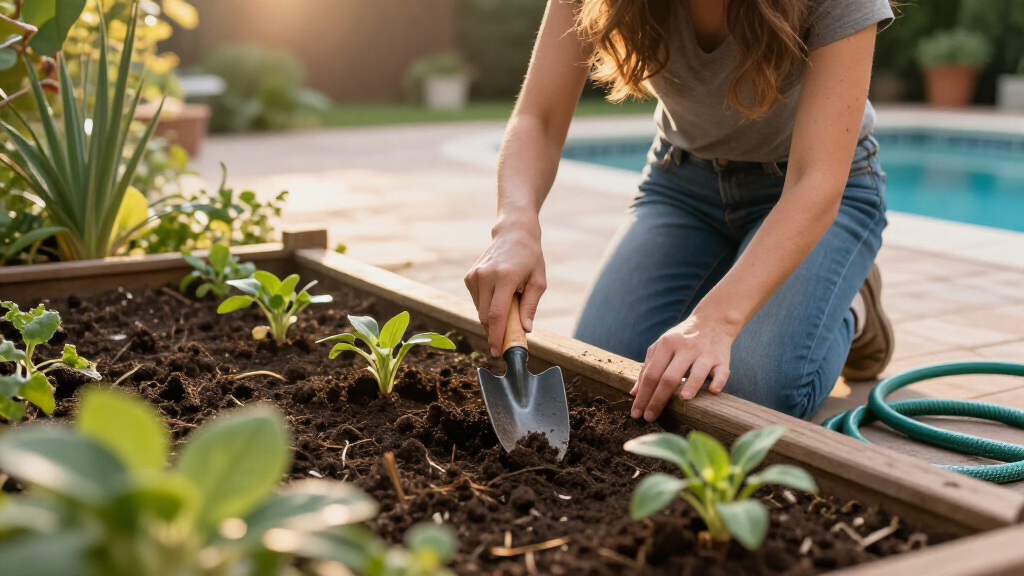
The second step is to pull weeds and break up compacted soil with a shovel, removing hard clumps. Country Living also points to fall as an opportunity to have soil tested, particularly if it has not been tested in several years. A test can identify nutrient deficiencies and help guide fertilizer use, the report says.
Third, gardeners can mix compost or manure into the top layer of soil. The report says this is best done a few weeks before planting, but can still be useful when time is short. It recommends skipping pruning in fall: Kuhajda says pruning should wait until midwinter because plants may begin growing again during a warm spell, leaving new growth at risk if temperatures drop.
Preparing Beds Without Costly Setbacks
The recommendations address two practical parts of fall planting: giving new plants a prepared bed and avoiding work that could expose existing plants to weather damage. Removing spent annuals and loosening soil clear space and address compacted ground, while compost adds organic matter. A soil test can help gardeners make decisions based on their own beds rather than applying fertilizer without knowing what is needed.
The pruning advice also highlights a seasonal risk. A warm period after fall pruning may encourage new growth, and a subsequent cold snap could damage it, according to Kuhajda. Leaving some perennial seedheads in place can also support wildlife through winter. These are general recommendations, not a guarantee of results: local climate, plant type, and garden conditions affect what is appropriate.
As an affiliate, we earn on qualifying purchases.
The Guide’s Four Garden Tasks
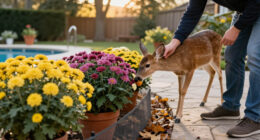
The Country Living report frames fall as a time to plant both flowers and vegetables. Examples it gives include mums and asters, along with vegetables such as kale, collards, beets, and broccoli. The specific choices will depend on growing conditions and the time remaining in a local planting season.
Kuhajda also notes that preparing soil in fall can help gardeners in cold-weather regions plant early-season crops, including leafy greens, radishes, onions, beets, and carrots. If spring is long, cold, and wet, waiting to prepare beds may make it harder to get those crops planted early. The report does not provide region-specific planting dates or detailed instructions for each crop.
Local Conditions Shape the Advice
The source does not give local planting calendars, frost dates, or crop-specific timing, so readers will need to adapt the general guidance to their location and the plants they intend to grow. It also does not specify how much compost to add or provide soil-test results for any particular garden.
The pruning warning is presented as general advice from Kuhajda, not as a rule tailored to every plant or climate. The report does not identify which species may need different care, or define a single midwinter pruning window for all regions. Gardeners should check guidance for their plants and local conditions before acting.
Plan Planting Around Local Frost Dates
Before buying seed or starter plants, gardeners can clear beds, loosen soil, and add compost, then use local frost information and crop-specific guidance to plan planting dates. Those who have not had their soil tested in several years can consider doing so before choosing fertilizer. Pruning can be postponed, with timing checked against the needs of particular plants and regional advice.
Key Questions
What should I do before planting a fall garden?
The Country Living guide recommends removing dead annuals and roots, loosening the soil, and mixing in compost or manure. It also suggests pulling weeds and considering a soil test if one has not been done in several years.
Should I remove perennial seedheads in fall?
Not necessarily. Nancy Kuhajda says seedheads and berries can provide winter food for birds and wildlife. Gardeners concerned about plants spreading by seed may choose to remove them with a sharp pruning tool.
Why does the guide say to skip fall pruning?
Kuhajda says pruning may encourage plants to start growing during a warm period. If a cold snap follows, that new growth could be damaged. She recommends leaving pruning until midwinter, while noting that local and plant-specific conditions matter.
Which vegetables does the report mention for fall gardens?
The report lists kale, collards, beets, and broccoli as examples. It also mentions leafy greens, radishes, onions, beets, and carrots as early-season crops for which fall soil preparation may be helpful in cold-weather regions.
Source: rss
Halloween Picks
halloween
As an affiliate, we earn on qualifying purchases.