
TL;DR
Gardening Know How says lavender, succulents, agave, garlic, tulips, coral bells and strawberries may face added risks if winter brings repeated rain, cold snaps and temperature swings. The report cites a NOAA outlook for wetter conditions in several U.S. regions, but forecasts vary by location and do not establish what any individual garden will experience.
Gardening Know How has identified seven plants that may be vulnerable to a winter of cold, persistent rain and freeze-thaw swings, and recommends steps such as improving drainage and timing mulch before conditions worsen. The guidance accompanies a forecast of a very strong El Niño, but the report cautions that weather will differ by region and that forecasts can miss.

Get pool and patio gear delivered free with Prime
- Fast, free delivery on millions of items
- Prime Video, Amazon Music and more included
- Member-only deals all year
The plants named are lavender, hens and chicks, agave, garlic, tulips, coral bells and strawberries, including several plants that give gardens structure through winter. The report’s central concern is not cold alone: when soil remains saturated, roots may receive too little oxygen and water molds, including Phytophthora and Pythium, can contribute to root rot. Repeated freezing and thawing can also lift shallow-rooted plants or bulbs from the soil.
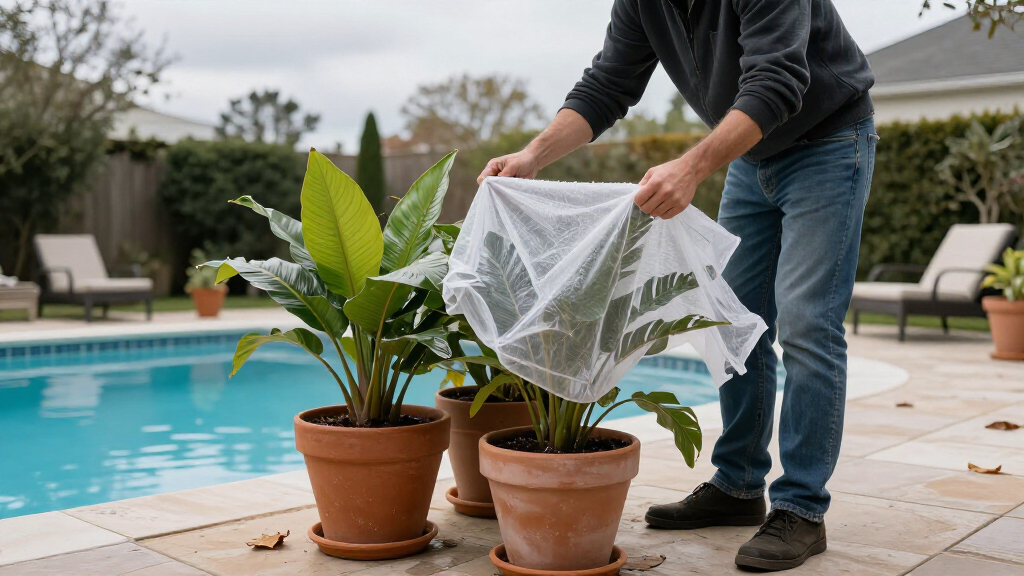
The recommended measures differ by plant. For lavender, hens and chicks, and agave, the report emphasizes fast drainage, avoiding moisture-trapping mulch around crowns, and avoiding overwatering by moving potted plants out of persistent rain where practical. It advises growing garlic and tulips in well-drained beds or raised areas, and not adding water when rainfall is sufficient.
For coral bells and strawberries, the report focuses on frost heaving as well as wet soil. It recommends applying mulch around coral bells after the first frost while keeping it off the crown, and covering strawberries with a loose layer of straw after a couple of light frosts. These are the source’s gardening recommendations, not a guarantee that plants will survive particular local conditions.
How Wet Soil Threatens These Plants
The advice matters because winter plant damage can result from a combination of standing moisture and temperature swings, not simply from a single hard freeze. Soil that stays wet can put roots at risk, while thawing and refreezing can expose roots and crowns to air and drying wind. Gardeners who prepare beds and containers before prolonged wet weather may reduce those risks.
The practical choices are generally about drainage, mulch and timing: use raised or sloped planting areas where water collects, keep vulnerable containers from sitting in pooled water, and apply protective mulch at the time recommended for the plant. The report does not suggest one treatment fits every species; for example, mulch that protects strawberries may hold damaging moisture against lavender or a succulent crown.
Products Worth Considering

Roborock F25 XT Cordless Wet-Dry Vacuum Mop

Coway Airmega 250S WiFi Air Purifier for Large Rooms

Dyson Airwrap i.d. 6-in-1 Multi-Styler and Dryer
As an affiliate, we earn on qualifying purchases.
The Forecast Behind the Advice
The Gardening Know How report says NOAA’s outlook put the odds of a very strong El Niño at above 90%. It describes wetter-than-normal conditions as possible across much of the southern and central United States, California, parts of the Great Plains and the Atlantic coast. It also says temperatures may differ by region, with the northern U.S. generally expected to be warmer than normal and the Southeast potentially seeing cooler spells.
Those statements describe a seasonal outlook, not a yard-by-yard prediction. El Niño is not expected to produce identical weather across the country, and the report itself says forecasts can miss. Its plant list is framed around what could happen if cold, wet conditions persist, rather than a claim that all seven plants will be damaged this winter.
“A very strong El Niño could make this a challenging winter for gardens across parts of the US.”
— Gardening Know How
Local Winter Conditions Remain Unclear
The supplied report does not identify a publication date, provide the full NOAA outlook, or specify a forecast period beyond the coming winter. It is therefore not possible from this material to confirm the outlook’s current status or assess its latest updates. The exact timing, duration and location of rain, freezes and thaws are also unknown.
Plant risk will depend on local weather, soil drainage, cultivar and growing conditions. The source does not provide data showing how often each plant fails in wet winters or quantify the effectiveness of its recommendations. Its advice should be read as preventive guidance tied to possible conditions, rather than a certainty that the listed plants will not survive.
Prepare Beds as Fall Progresses
Gardeners can check where water pools, clear or improve drainage where appropriate, and move vulnerable pots under shelter before repeated rain begins. The report recommends waiting for the appropriate seasonal cue before mulching: garlic after the soil cools, coral bells after the first frost, and strawberries after a couple of light frosts. Local forecasts can help determine when those steps make sense.
As winter approaches, gardeners should follow updated regional forecasts and check beds after heavy rain and freeze-thaw events. The source offers no confirmed outcome for the coming season; whether these precautions are needed, and which plants face the greatest stress, will depend on weather in each location.
Key Questions
Which seven plants does the report flag?
It lists lavender, hens and chicks, agave, garlic, tulips, coral bells and strawberries as plants that may be vulnerable to cold, wet winter conditions.
Does the forecast mean these plants will not survive?
No. The report describes potential risks, not certain losses. It says winter conditions can vary by region and that forecasts can miss.
Why is saturated winter soil a concern?
According to the report, saturated soil can limit oxygen reaching roots and encourage root-rot organisms. Freeze-thaw cycles can also lift shallow roots, crowns or bulbs.
What is the main preparation the report recommends?
It emphasizes good drainage and plant-specific mulch timing. Advice differs by species, so moisture-trapping mulch should not be applied indiscriminately around crowns that are vulnerable to rot.
Source: rss